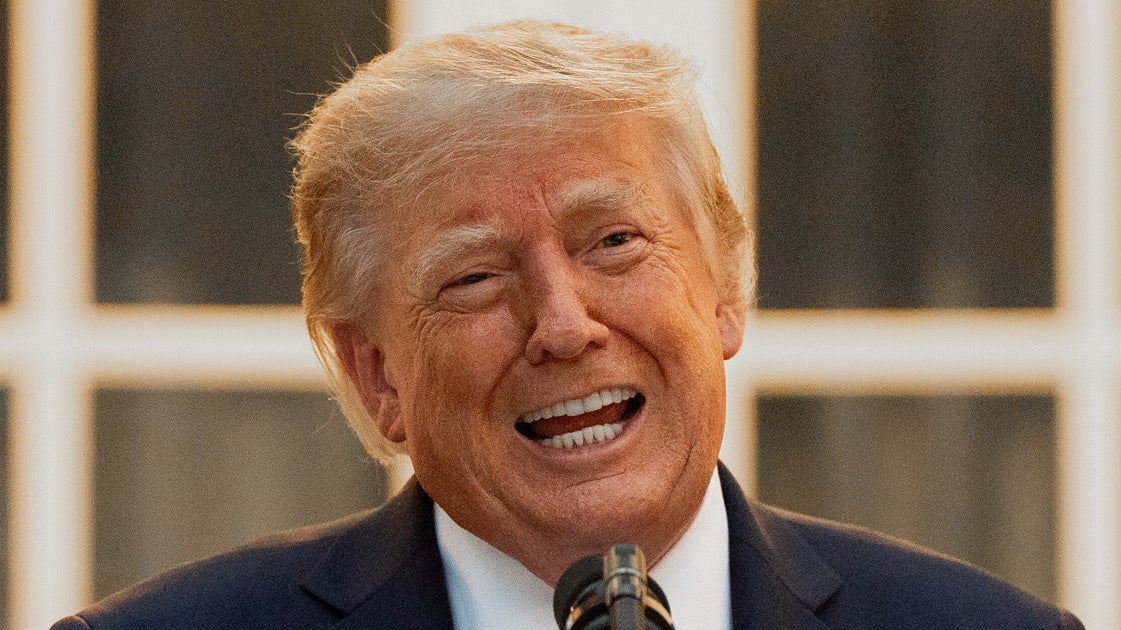
President Donald Trump discussed his preferences regarding boat safety and maritime regulations during remarks on Thursday, September 17, 2026. During the event, the president recounted a hypothetical scenario involving a sinking electric boat and the presence of sharks. He stated that if forced to choose between potential electrocution from a sinking vessel or swimming near sharks, he would "take the electrocution."
The president noted that he had previously shared similar stories during his 2023 and 2024 campaigns. He stated that he enjoyed using such anecdotes to provoke reactions from the press. The remarks align with the president’s long-standing criticisms of renewable energy technologies, including electric vehicles and wind turbines, and his documented distaste for sharks.
During his speech, Trump also addressed planned executive actions to reverse current boat speed restrictions. He stated these regulations were implemented because officials "didn't want to hurt sharks." This stance mirrors public comments he made in 2020, where he stated he was "not a big fan of sharks" and declined to contribute to funds dedicated to their preservation.
Critics of the president responded to the remarks by questioning his focus and cognitive health. Some observers on social media compared the president to a "washed up diva" repeating old material, while others suggested the repetition of these specific stories warranted a new cognitive evaluation. One critic pointed to current economic concerns, such as gas prices and tariffs, arguing that the president should focus on these issues rather than hypothetical scenarios.
The scale of this shift involves the entire U.S. maritime sector, including thousands of boat company owners and millions of recreational boaters who navigate coastal waters. While the source does not provide a specific dollar figure for the economic impact of these speed restrictions, the president's intent to use executive orders indicates a direct change in federal enforcement. Boaters would likely notice a change in how they are permitted to operate their vessels in regulated zones as soon as the executive actions are signed and implemented by federal agencies.
These comments and planned actions set a precedent for how the executive branch may bypass established environmental protections to achieve deregulation. The knock-on effects could influence future policy regarding the protection of endangered or threatened species in American waterways. The next steps involve the formal drafting and signing of the mentioned executive orders; however, specific dates for these actions were not reported in the source material.