The Plain Record

Neutral daily news — clear headlines, complete facts.

On the Hill

Trump Restates $5,000 Payment Proposal Contingent on Midterm Election Results

President Trump restated a proposal for $5,000 payments to adults if Republicans win Congress, as his administration manages equity stakes in 39 private firms.

Background: The Electoral College, explained: how the United States actually elects a president

Published September 30, 2026 at 12:15 PM EDT

The short answer

President Trump restated a proposal for $5,000 payments to adults if Republicans win Congress, as his administration manages equity stakes in 39 private firms. President Donald Trump on Wednesday restated a proposal to provide $5,000 payments to every adult in the United States, contingent upon Republicans winning both chambers of Congress in the upcoming November midterm elections.

Trump Restates $5,000 Payment Proposal Contingent on Midterm Election Results

The Facts

Who
President Donald Trump, White House spokesman Kush Desai, and analysts from the Council on Foreign Relations and Cato Institute.
What
President Trump restated a proposal to give $5,000 to every U.S. adult if Republicans win the House and Senate in November. The report also detailed that his administration has taken equity stakes in 39 private companies and implemented dozens of tariffs.
When
Wednesday, September 30, 2026
Where
Washington, D.C.
Why
The proposal involves a potential $1.3 trillion in federal spending tied to election outcomes, while the administration's acquisition of stakes in 39 companies represents a shift in federal involvement in private industry.

President Donald Trump on Wednesday restated a proposal to provide $5,000 payments to every adult in the United States, contingent upon Republicans winning both chambers of Congress in the upcoming November midterm elections. The proposal, which the president first introduced earlier in September at the Republican midterm convention, has drawn reactions ranging from skepticism among conservative commentators to a legal challenge regarding the use of federal funds for a related advertisement.

The administration has taken government equity stakes in 39 private companies, implemented dozens of tariffs, and attempted to influence interest rates through the Treasury Department. While White House spokesman Kush Desai stated the president is using free market policies like deregulation to address previous "America-Last policies," Scott Lincicome of the Cato Institute described the approach as "transactional interventionism." This term refers to policy moves designed to achieve specific outcomes, such as shoring up critical mineral supply chains or punishing foreign competitors.

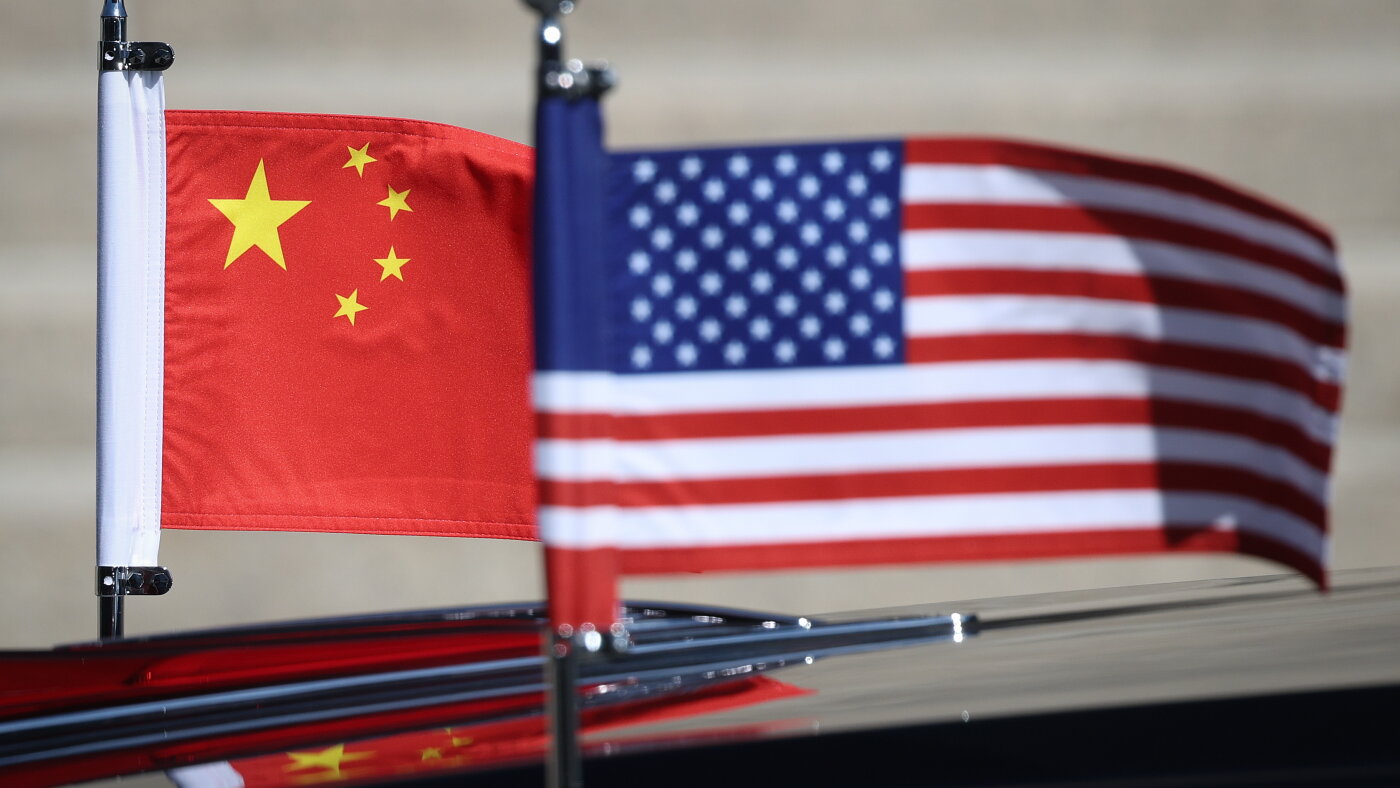
The president has used rhetoric labeling political opponents as "communists" and "Marxists," including in a recent federally funded television advertisement. However, during the week of September 28, 2026, he praised New York City mayoral candidate Zohran Mamdani, a democratic socialist, and hosted Chinese President Xi Jinping at the White House. Trump described the Chinese leader as "strong, vibrant, and fit" in a social media post, despite previously characterizing China as a rival.

The administration’s shift toward taking equity stakes in private companies marks a change in how the federal government interacts with the private sector. Jonathan Hillman of the Council on Foreign Relations noted that while the U.S. took stakes in banks and auto companies during the 2008 financial crisis, the current 39 deals are occurring without a similar singular systemic crisis. Small-business owners and corporate boards in sectors like critical minerals may notice increased federal involvement in their operations and capital structures, a trend that analysts suggest could expand.

This expansion of executive and Treasury Department influence over private markets sets a precedent that future administrations may utilize. Scott Lincicome noted that these actions create a "gray area of expansive new power" that could allow future presidents to take or manage government-held equity in additional industries. The concrete effects on consumer prices from tariffs and the timing of the proposed $5,000 checks remain dependent on the results of the November elections and subsequent legislative action. A legal challenge regarding the use of taxpayer funds for a political advertisement remains pending.

Timeline of what happened

Key dates and decisions, in the order they occurred.

  1. September 1, 2026

    Trump first proposes $5,000 checks at midterm convention

  2. September 25, 2026

    President Trump hosts President Xi Jinping at the White House

  3. September 30, 2026

    President Trump restates $5,000 proposal in Oval Office

Summaries are written by The Plain Record to state the facts of a story plainly and without political slant. Drafted with AI assistance and checked against the source record before publication. See how we report, or report a correction.

← Back to the front page

Questions readers ask

What happened: Trump Restates $5,000 Payment Proposal Contingent on Midterm Election Results?

President Trump restated a proposal to give $5,000 to every U.S. adult if Republicans win the House and Senate in November. The report also detailed that his administration has taken equity stakes in 39 private companies and implemented dozens of tariffs.

Who is involved?

President Donald Trump, White House spokesman Kush Desai, and analysts from the Council on Foreign Relations and Cato Institute.

When did this happen?

Wednesday, September 30, 2026

Where did this happen?

Washington, D.C.

Why does this matter?

The proposal involves a potential $1.3 trillion in federal spending tied to election outcomes, while the administration's acquisition of stakes in 39 companies represents a shift in federal involvement in private industry.