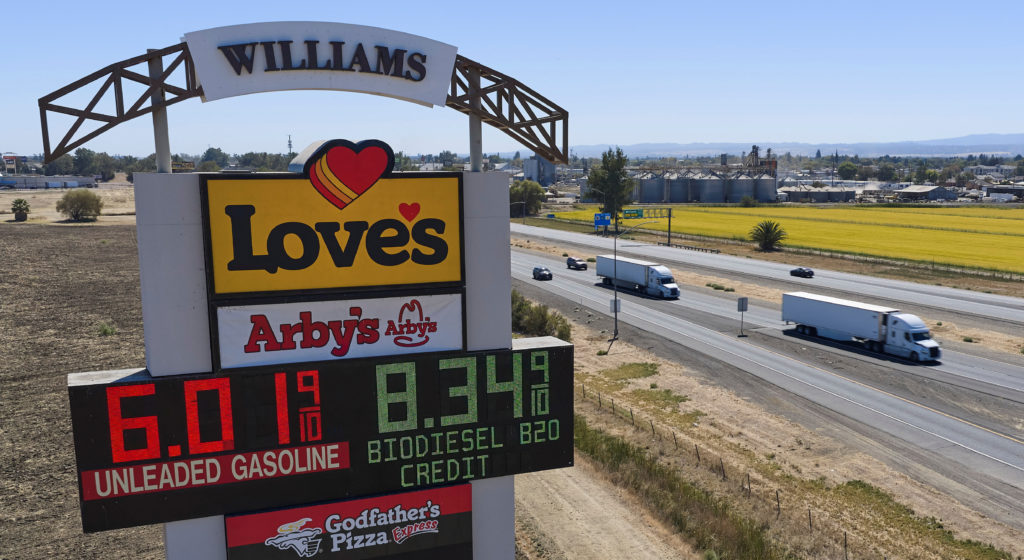
President Donald Trump announced a deal with Russian President Vladimir Putin to import Russian diesel to the United States. The administration stated the agreement aims to lower domestic fuel prices, which have increased following U.S. military activity in the Middle East. President Trump also asserted that an "energy ceasefire" is in place between Russia and Ukraine, though Ukrainian President Volodymyr Zelenskyy reported that Moscow continues to strike energy infrastructure.
The agreement has drawn criticism from members of both parties in Congress, who stated the deal could provide a financial lifeline to Russia during its ongoing war with Ukraine. A bipartisan group of 12 senators—six Republicans and six Democrats—sent a letter to the president on Tuesday, October 13, arguing that the revenue would finance Russia's military efforts. Republican Rep. Ashley Hinson (R-IA) expressed concern regarding the relief of sanctions on Russia, while Rep. Lloyd Doggett (D-TX) stated the deal violates federal law.
Legislation passed by Congress in 2022 banned the import of Russian energy products. Under that law, a president may only lift the prohibition if an agreement is reached to withdraw Russian troops from Ukraine and cease military activity, a proposal that must be reviewed by Congress and accepted by the Ukrainian government. Additionally, a sanctions law signed last month was scheduled to take effect on October 18, intended to impose tariffs on countries importing Russian oil and address the "shadow fleet" of tankers used to bypass existing restrictions.
For federal lawmakers and international allies, the deal represents a shift in U.S. policy regarding the economic isolation of Russia. Congressional critics stated the move could undermine the effectiveness of existing sanctions and may affect the security of U.S. servicemembers operating overseas in Operation Epic Fury. The financial revenue gained by Russia is expected to be used for its military operations and to strengthen security ties with China, Iran, and North Korea.
The next steps involve the scheduled October 18 deadline for the new sanctions law, though its implementation is now in question. President Trump has maintained his support for the deal, stating on Monday, October 12, that he favors anything that assists American agricultural workers. The Treasury Department has not yet commented on how the diesel imports will interact with current legal prohibitions or the upcoming sanctions deadline. Midterm elections are scheduled to take place in the coming weeks.