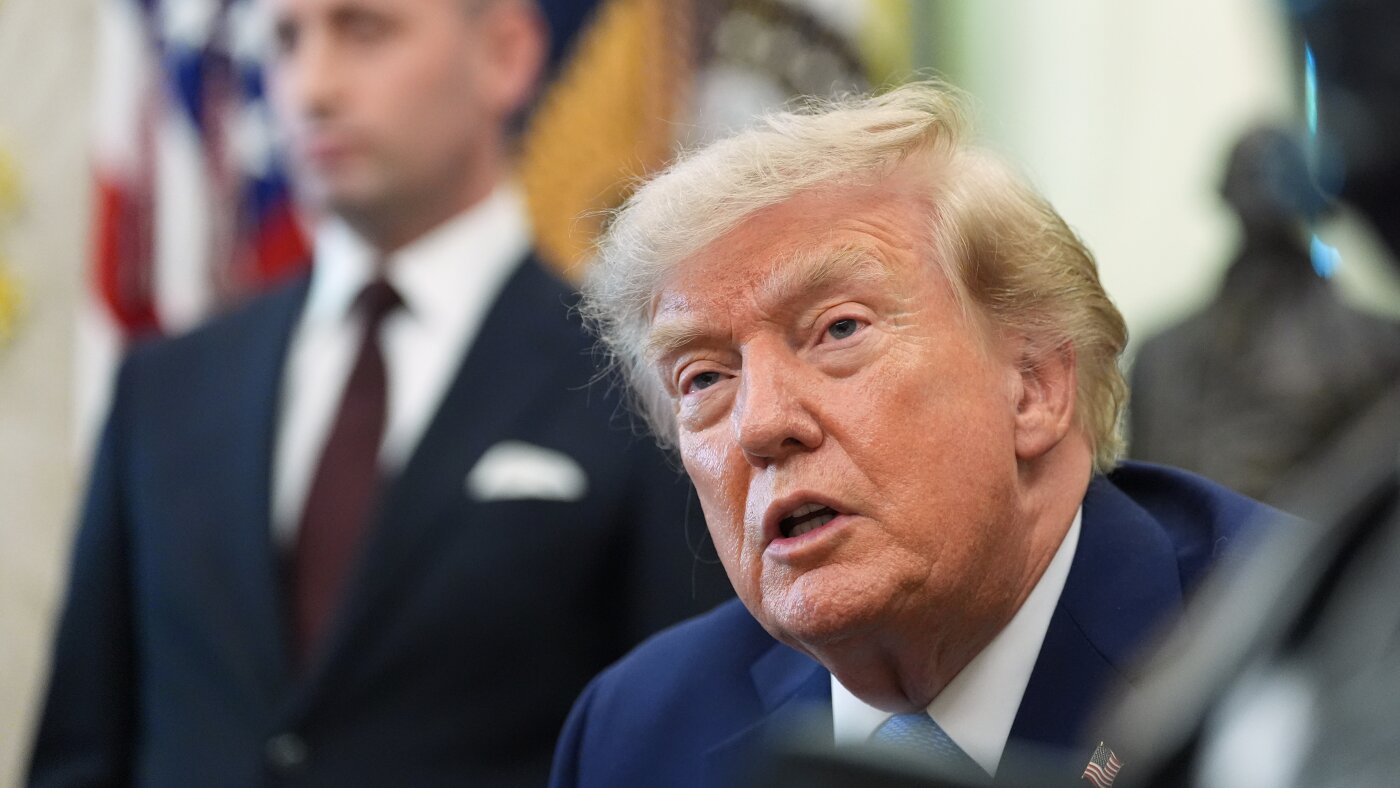
President Donald Trump signed two executive orders on Thursday intended to restrict birthright citizenship and what the administration calls "birth tourism." The actions come several weeks after the U.S. Supreme Court struck down a previous attempt by the president to end automatic citizenship for children born in the United States to certain foreign nationals.
In June 2026, the Supreme Court ruled that a prior executive order issued by the president was unconstitutional, reaffirming that the 14th Amendment guarantees birthright citizenship. That previous order, signed on the first day of the president's second term, sought to end automatic citizenship for children born to parents who were in the U.S. illegally or on temporary visas.
The first new order, "Continuing to Protect the Meaning and Value of American Citizenship," seeks to exclude children of foreign national employees of foreign governments, children of members of foreign terrorist groups, and children whose parents use fraudulent activity to obtain citizenship. The second order, "Ending Birth Tourism," directs the Secretary of State and Secretary of Homeland Security to deny visas to individuals suspected of traveling to the U.S. specifically to give birth so their newborns receive automatic citizenship.
White House adviser Stephen Miller described the orders as a significant reform to prevent abuses of the American system. Conversely, Cody Wofsy of the American Civil Liberties Union stated that the orders attempt to rewrite constitutional guarantees and predicted they would be struck down by courts. David Bier of the Cato Institute said the orders ignore the Supreme Court’s recent decision, while White House staff secretary Will Scharf stated the administration is using legally validated means that do not conflict with court opinions.
For individuals applying for U.S. visas, the orders result in immediate changes to the screening process. The Secretary of State and Secretary of Homeland Security are now directed to prioritize the denial of visas to those suspected of seeking birthright citizenship through travel. This could lead to increased scrutiny and potential denials for pregnant travelers or those whose travel motives are questioned by consular officers. The administration stated these measures are intended to keep American citizenship "sacred," while critics argue the policy places an unconstitutional burden on the 14th Amendment's citizenship clause.
The orders set a precedent for testing the limits of executive authority following a Supreme Court rejection of similar policies. Legal experts suggest the matter will likely return to the court system, as advocacy groups have already signaled intentions to challenge the new directives. While the orders are currently signed, their long-term implementation depends on the outcome of anticipated litigation. No specific court dates for these new challenges were reported, but the orders follow a June 2026 ruling that had previously halted the administration's broader efforts in this area.