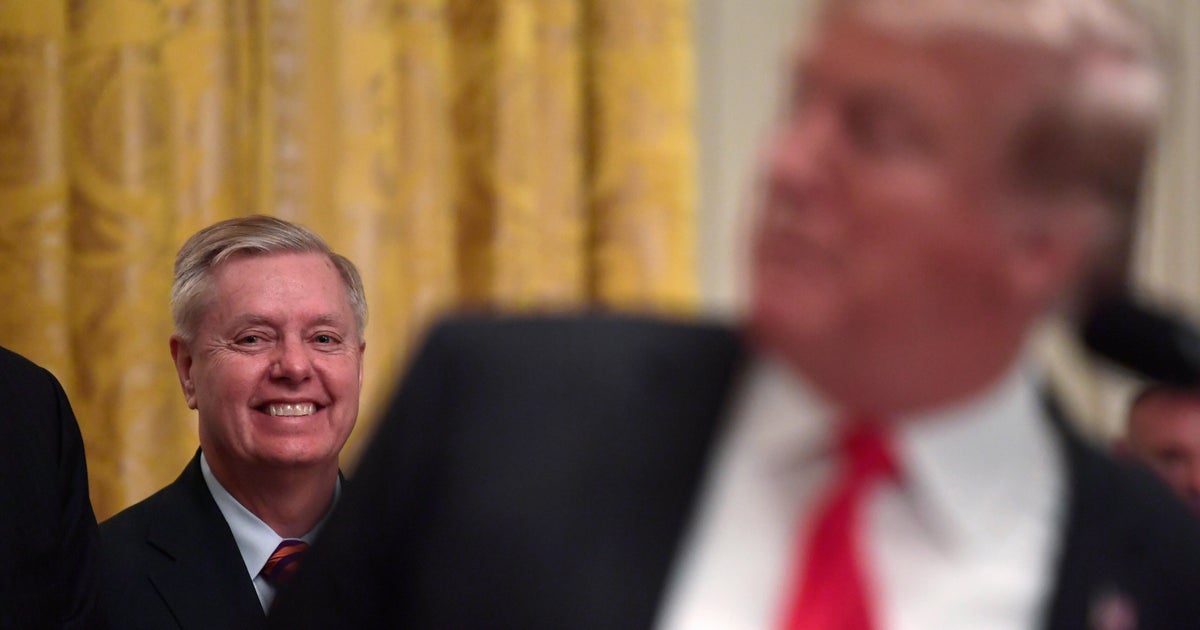
President Donald Trump signed the Lindsey O. Graham Sanctioning Russia and Iran Act of 2026 into law on a Friday, establishing new sanctions against Russia and Iran. The legislation, which passed the House of Representatives with bipartisan support earlier in the week, authorizes the president to impose tariffs on major purchasers of Russian energy. The Senate previously passed the measure in August, though some Democratic lawmakers raised concerns regarding the expansion of presidential tariff authority.
The bill was championed by the late Sen. Lindsey Graham (R-SC), who died in July at age 71 following a trip to Ukraine. Graham had advocated for the sanctions shortly before his death from a torn aorta. The new law is named in his honor; President Trump, who delivered the eulogy at Graham's funeral, signed the bill as the war between Russia and Ukraine continues.
Under the new law, the president may impose tariffs of up to 100% on the five largest purchasers of Russian oil and natural gas. The legislation also applies sanctions directly to Russian President Vladimir Putin, government officials, oligarchs, and Russian financial institutions. Additionally, the law extends existing sanctions on Iran’s weapons and energy sectors, following a period where a global oil crunch related to U.S. conflict with Iran had led the administration to briefly allow the purchase of Russian oil already in transit at sea.
The law primarily affects international trade partners and global energy markets, specifically targeting the five largest purchasers of Russian oil and gas. According to the source, the most significant impact is expected to fall on China and India, the two largest importers of Russian crude oil. While the specific number of affected entities or the exact dollar value of trade was not reported, a 100% tariff would effectively double the cost of Russian energy imports for these nations if the president exercises the full authority granted by the act.
For U.S. and global consumers, the implementation of these tariffs could influence energy prices by shifting how the world's largest oil consumers source their fuel. The act also targets the personal and professional financial access of Russian government officials and oligarchs, potentially affecting Russian banks and financial institutions. The specific timeline for when these individuals or entities will notice changes to their accounts or trade balances depends on when the president chooses to trigger the authorized tariffs.
The move comes as the Trump administration continues efforts to mediate the Russia-Ukraine war, following recent meetings between U.S. envoys Jared Kushner and Steve Witkoff and the leaders of both nations. President Trump is scheduled to meet with Chinese President Xi Jinping at the White House on Sept. 24, which will be the first high-level diplomatic meeting following the signing of the bill that could impact Chinese energy imports.