Turkey, Saudi Arabia, and Pakistan signed the Mecca Joint Defense Agreement on August 7, 2026, establishing a security framework described as a 'Sunni Security Triad.' The pact includes a commitment to exchange intelligence and defense technology, as well as a collective defense provision stating that an attack on one signatory is regarded as an attack on all. Turkish Foreign Minister Hakan Fidan stated that Ankara drove the negotiations for this agreement over a three-year period.
The agreement comes amid a shifting security environment in the Middle East characterized by a seven-month-old war involving the United States, Israel, and Iran. Analysts from the Brookings Institution and the Peace Research Institute Frankfurt suggest that Turkey is positioning itself to fill a regional power void as the U.S. signals a reduction in its Middle East military footprint. This strategy includes expanding Turkey's defense-industrial base and increasing its military presence in Somalia, Qatar, Libya, and Syria.
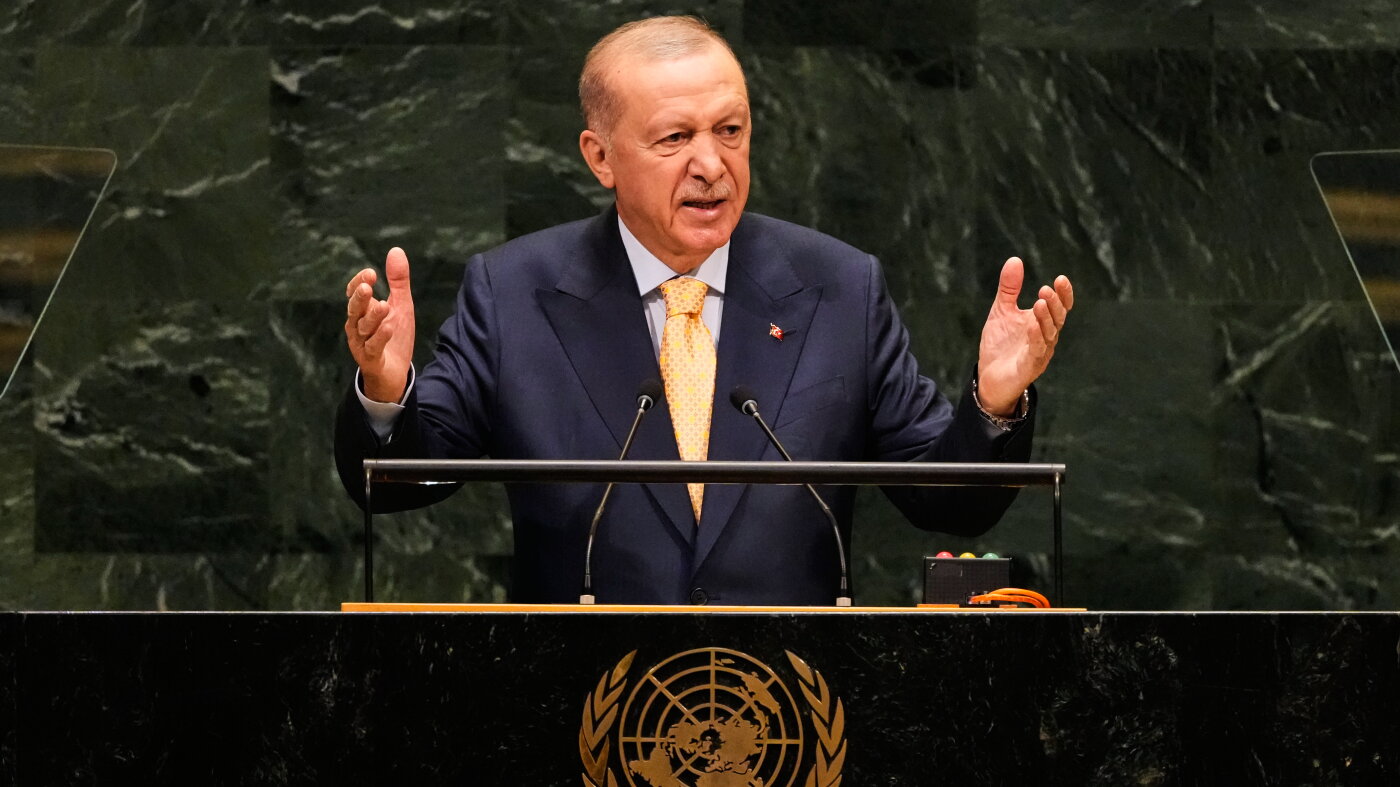
Tensions between Turkey and Israel have increased despite the two nations having established diplomatic relations in 1949. During a United Nations General Assembly session in late September 2026, Turkish President Recep Tayyip Erdogan characterized Israel's actions as a 'genocidal mindset,' leading the Israeli delegation to walk out. Israel denies the genocide allegations. In early August 2026, Israel launched an airstrike on a defunct airbase in northern Syria, stating it was intended to preempt a Turkish troop deployment; Turkey and Syria both denied that any such troop movements were planned.
Specifically, the agreement could alter the day-to-day lives of people in Syria, where Turkey has already secured multibillion-dollar reconstruction contracts following the 2024 collapse of the Bashar al-Assad regime. Turkish involvement in rebuilding the Syrian army and infrastructure suggests that Turkish firms and personnel will be central to the local economy for the foreseeable future. However, the 'zero-sum' view currently held by Israeli and Turkish leadership increases the risk of direct military conflict. Former Israeli Prime Minister Naftali Bennett and Defense Minister Israel Katz have issued warnings against Turkey's rising influence, suggesting that regional stability remains fragile despite the new defense pact.
The next steps for this regional alignment depend largely on diplomatic engagement by the U.S. administration. Analysts noted that President Trump’s personal relationship with Erdogan provides Turkey with direct access to the White House, even as Israel remains a close U.S. ally. The effectiveness of the Mecca Joint Defense Agreement will be tested by how the three nations coordinate intelligence sharing in the coming months and whether they can stabilize their respective economies to support their strategic goals. No specific dates for follow-up summits or the implementation of the defense exchange have been reported.