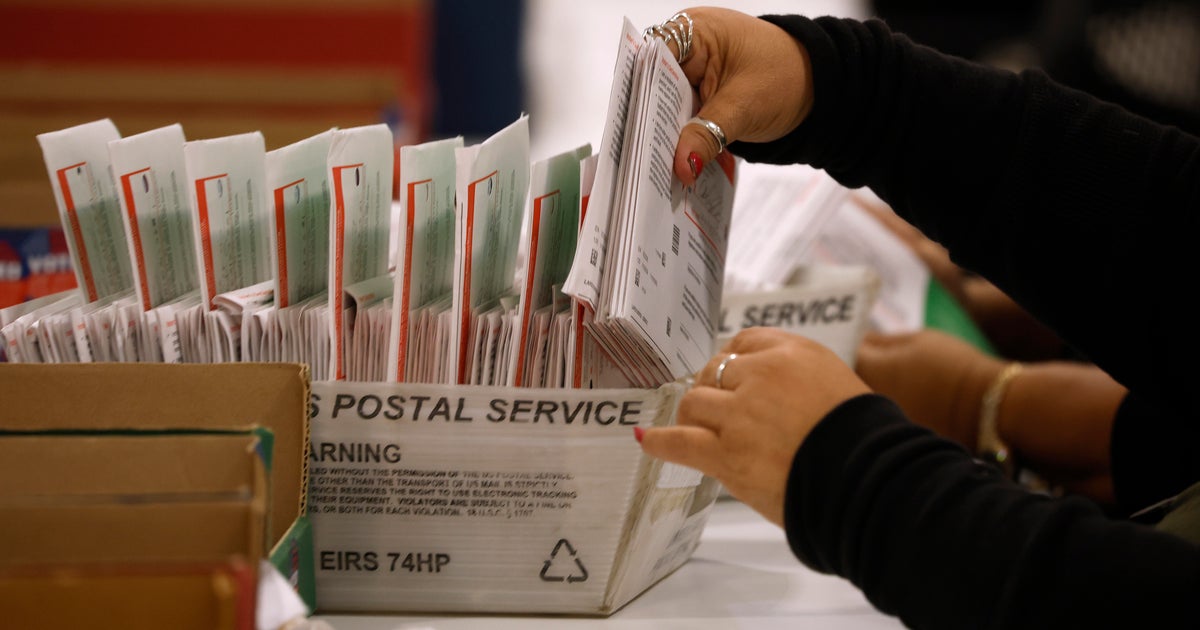
A coalition of 24 states and the District of Columbia filed a lawsuit Wednesday to stop new U.S. Postal Service (USPS) regulations regarding mail-in ballots. The lawsuit, filed in a Massachusetts federal court, challenges a rule published by the agency last Friday that sets new requirements for election mail ahead of the November midterm elections.
The USPS measure follows an executive order signed by President Trump in March, which the administration stated was intended to protect election integrity. A previous challenge to the executive order resulted in a lower court injunction, but the Supreme Court stayed that injunction on Monday. The high court's 6-3 decision found the initial lawsuit was filed prematurely, though the unsigned opinion noted this did not necessarily mean future implementation measures would be lawful.
Under the new USPS rule, state election officials must use specific design elements for mail ballot envelopes, including trackable barcodes. The regulation also requires states to submit voter names and addresses to an online portal. These voters are then placed on a "Mail-In and Absentee Participation List," which the USPS stated is designed to help law enforcement and election officials identify "anomalous incidents" for investigation. The USPS stated it will not determine voter eligibility or count ballots.
The suing states argue the rule unconstitutionally exceeds executive power and interferes with their authority to manage elections. They allege the requirements violate the Privacy Act and federal voting rights law. The attorneys general involved in the suit claim the rule creates "ballot mail constraints" that are inconsistent with the statutes governing the Postal Service and that the agency failed to follow proper procedural requirements before implementation.
The scale of the impact involves millions of potential mail-in ballots that must now feature trackable barcodes and specific designs to meet USPS standards. States contend the administrative burden and the creation of a federal "Mail-In and Absentee Participation List" could lead some voters to cast ballots in person rather than by mail. The USPS maintains that the list is an investigative tool for law enforcement and does not change a voter's legal eligibility or how their vote is processed once received.
The outcome of this case will determine whether federal oversight of mail ballot logistics can override existing state election procedures. If the rule remains in place, states will bear the costs of redesigning envelopes and managing the online submission of voter data. Following the Supreme Court's procedural ruling on Monday, Democratic campaign committees have also indicated they will file separate lawsuits. A final decision on the lawfulness of the USPS rule is pending in federal court.