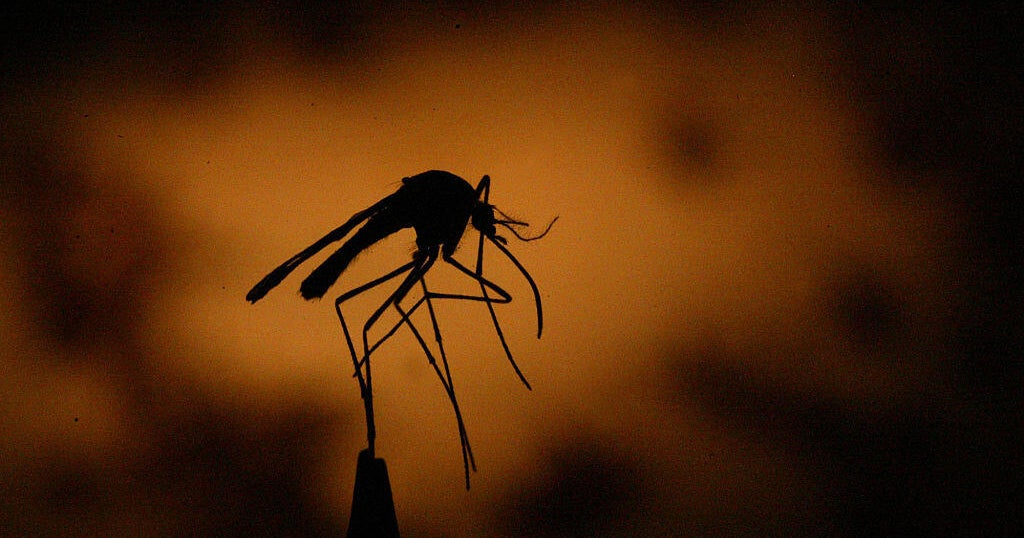
Health authorities in Frankfurt, Germany, announced that two airport workers have died after contracting malaria. The Robert Koch Institute (RKI), Germany's central public health agency, reported that the infections were likely caused by an imported Anopheles mosquito transported to the facility via an aircraft. In addition to the two fatalities, four other employees were sickened and hospitalized for treatment.
The outbreak is considered rare for the region, as malaria cases in Germany typically involve long-haul travelers who were infected while visiting endemic areas. According to the RKI, the last instance of airport-based malaria transmission in the country occurred in 2023. Because the condition is uncommon in Germany, officials noted that diagnoses can sometimes be delayed, which may lead to more severe symptoms.
Frankfurt airport officials have installed traps throughout the facility to capture mosquitoes for laboratory analysis. These tests aim to identify the specific species and geographic origin of the insects. A spokesperson for the airport stated that employees have been provided with comprehensive information and are encouraged to seek medical attention if they exhibit symptoms such as nausea, headache, fever, or chills.
In Germany, where the disease is not endemic, local transmission is treated as a significant public health event because the parasites, spread by Anopheles mosquitoes, cause hundreds of thousands of deaths annually, primarily in sub-Saharan Africa.
The detection of "airport malaria" serves as a reminder of how global travel can facilitate the movement of invasive species and tropical diseases into non-endemic regions. The Institute of Tropical Medicine in Antwerp, Belgium, is analyzing blood samples from the affected patients to track the specific malaria parasites involved. Results from the laboratory tests to determine the exact source of the mosquitoes are expected to be available in several weeks. There are no current reports of flight disruptions or changes to passenger processing as a result of the health investigation.