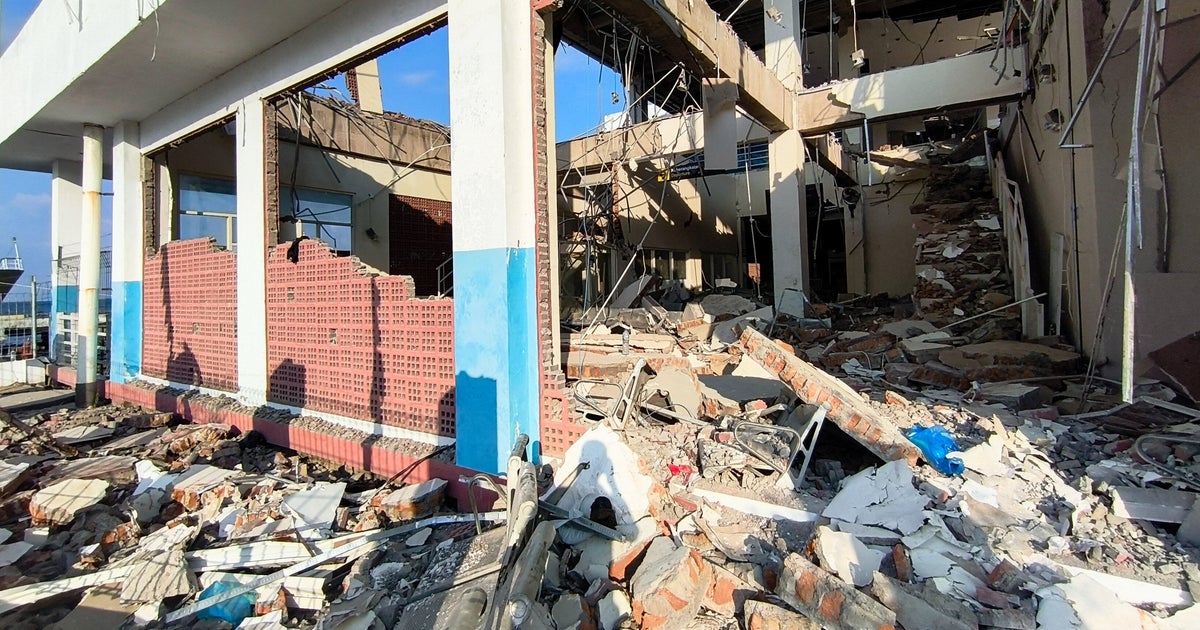
A 7.7-magnitude earthquake struck eastern Indonesia on August 15, 2026, followed by a second 6.4-magnitude quake on Sumatra island. Suharyanto, head of the National Disaster Management Agency, reported that at least 47 people were killed and dozens more were injured. A tsunami warning was briefly issued for coastal residents but was later lifted after monitoring showed no significant sea-level changes.
The U.S. Geological Survey reported the primary earthquake hit the Flores region at 5:58 a.m. local time, centered 42 miles north-northwest of Ende in East Nusa Tenggara province. Indonesia's Meteorology, Climatology and Geophysics Agency recorded at least 235 aftershocks following the initial tremor, the largest of which reached a magnitude of 6.2.
The earthquake flattened at least 157 houses and damaged nearly 200 others, according to disaster management officials. In Ende regency, landslides triggered by the quake cut off the Trans-Flores highway, a 435-mile mountain road. East Nusa Tenggara Police Chief Rudi Darmoko stated that power outages in both cities and villages have slowed the flow of information and complicated search and rescue operations.
The scale of the disaster is defined by the displacement of approximately 2,000 people and the significant damage to housing and infrastructure. For an individual household, the impact is the immediate loss of a residence or the loss of reliable electricity and communication. The disruption of the Trans-Flores highway, the primary 435-mile artery for Flores Island, hinders the transport of goods and emergency supplies, which may lead to temporary shortages or increased costs for local residents as logistics are rerouted or delayed.
In the long term, this event highlights the ongoing risks for the 17,000-island archipelago located on the Pacific "Ring of Fire." The National Disaster Management Agency has deployed a helicopter to support logistics in the remote, island-based geography, setting a precedent for air-dependent relief in this region. While the immediate tsunami threat has passed, search and rescue teams led by Fathur Rahman in Maumere continue to work through remote areas where landslides may have buried further casualties. A final death toll and the full extent of the financial cost to the provincial government are not yet known as communication disruptions persist.