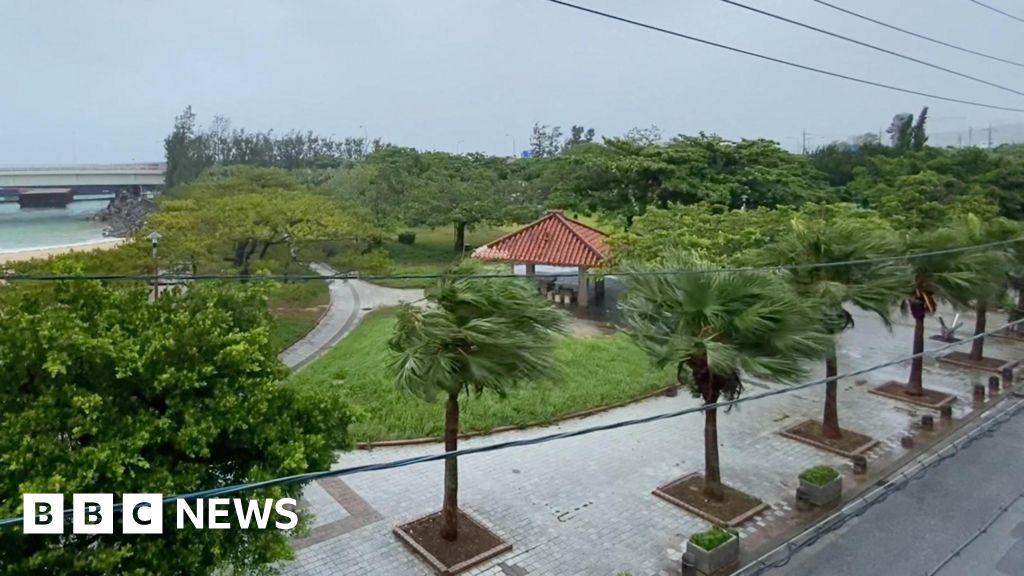
Typhoon Dolphin struck the Japanese island of Okinawa on Saturday, resulting in power outages for at least 44,000 buildings and injuries to at least five people. The Japan Meteorological Agency (JMA) categorized the storm as a "very strong" typhoon, recording maximum wind speeds of 162 km/h (101 mph). The storm is currently moving toward China's eastern coast, where landfall is expected late Sunday or early Monday.
The weather event occurred during the western Pacific typhoon season, which typically runs from May to October. According to experts cited by the BBC, the current year is a strong El Niño year, a climate pattern that can lead to more intense typhoons. The JMA reports that while about 25 cyclones reach tropical storm strength in the region annually, only about three typically make landfall in Japan.
In Okinawa, the prefectural government reported that five elderly residents sustained non-life-threatening injuries, including three who fell due to high winds. Infrastructure damage included toppled trees in Nago city and at least one overturned vehicle. Naha International Airport, the primary aviation hub for the island, was closed on Friday, leading to the cancellation of all scheduled flights as the storm approached.
The scale of the disruption in China includes the complete cessation of operations at Ningbo Lishe International Airport starting late Saturday night through Sunday. While the exact number of affected passengers was not reported, the closure of a major regional airport and all provincial ferry services halts transport for a significant portion of the coastal population. Residents in eastern China will notice these changes immediately through the suspension of public services and the implementation of the highest-level coastal typhoon alerts, which dictate mandatory safety protocols.
The knock-on effects include significant delays in regional logistics and supply chains due to the closure of ports in Zhejiang. The event also sets a seasonal precedent for high-intensity storms during this El Niño cycle, which meteorologists suggest could lead to further severe weather events through October. The next critical phase begins late Sunday, August 9, or early Monday, August 10, when the storm is projected to reach mainland China. Further updates regarding the restoration of power in Okinawa and the reopening of schools and transport hubs in China depend on the storm's progression and damage assessments.