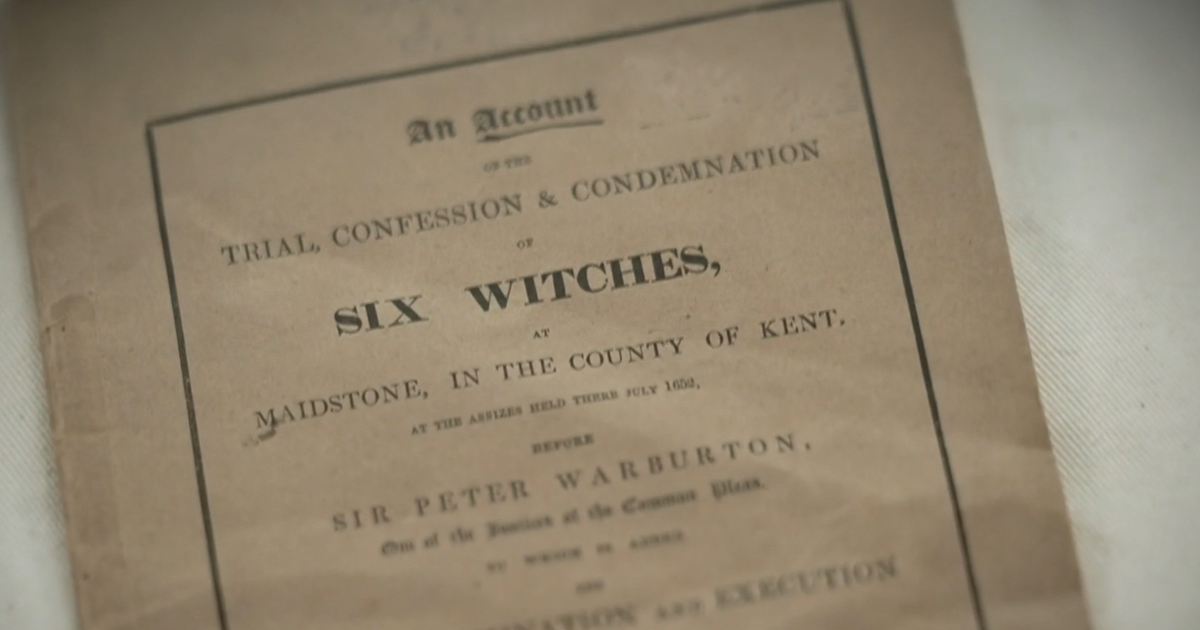
Maidstone Borough Council in Kent, England, has formally requested that the U.K. government issue a general pardon for thousands of people executed for witchcraft during the 16th and 17th centuries. Council leader Stuart Jeffrey wrote to Home Secretary Shabana Mahmood calling for new legislation to exonerate those convicted under historical Witchcraft Acts. The council's cabinet also voted in September 2025 to make plans for a permanent memorial for victims.
The petition specifically highlights the case of seven women—Anne Ashby, Mary Brown, Anne Martyn, Mildred Wright, Susan Pickenden, Anne Wilson, and Mary Reade—who were hanged on July 30, 1652, at Penenden Heath. Records from the time indicate the women were accused of "bewitching to death" three people, including a 10-day-old infant. Historical pamphlets claimed some of the accused confessed to being pregnant by the devil or failed to feel pain when pricked with pins.
Historians and local officials state that approximately 5,000 people were executed for witchcraft across England and Scotland. Marion Gibson, a professor at the University of Exeter, noted that many accused were vulnerable, single, or widowed women who were scapegoated for natural disasters or unexplained illnesses. While a petition to the U.K. Parliament last year received 13,000 signatures, the previous Conservative government declined to legislate, though it acknowledged the "historic injustices."
For the residents of Maidstone and similar districts, the move represents a formal shift in how local history is commemorated. In Scotland, where the conviction rate was higher per capita than anywhere else in Europe, a 2022 formal apology by then-First Minister Nicola Sturgeon affected the memory of approximately 4,000 accused individuals. A pardon would go further than an apology by technically nullifying the convictions, a step that has already been completed for those accused during the Salem witch trials in the United States.
The Home Office has not yet issued a formal response to the latest request. If the government follows the path of the Scottish Parliament, which saw a pardon bill founder due to technical reasons in 2022, the convictions will remain on record. Campaigners, including the group Witches of Scotland, have indicated they intend to seek a new sponsor for legislation in the upcoming parliamentary session.