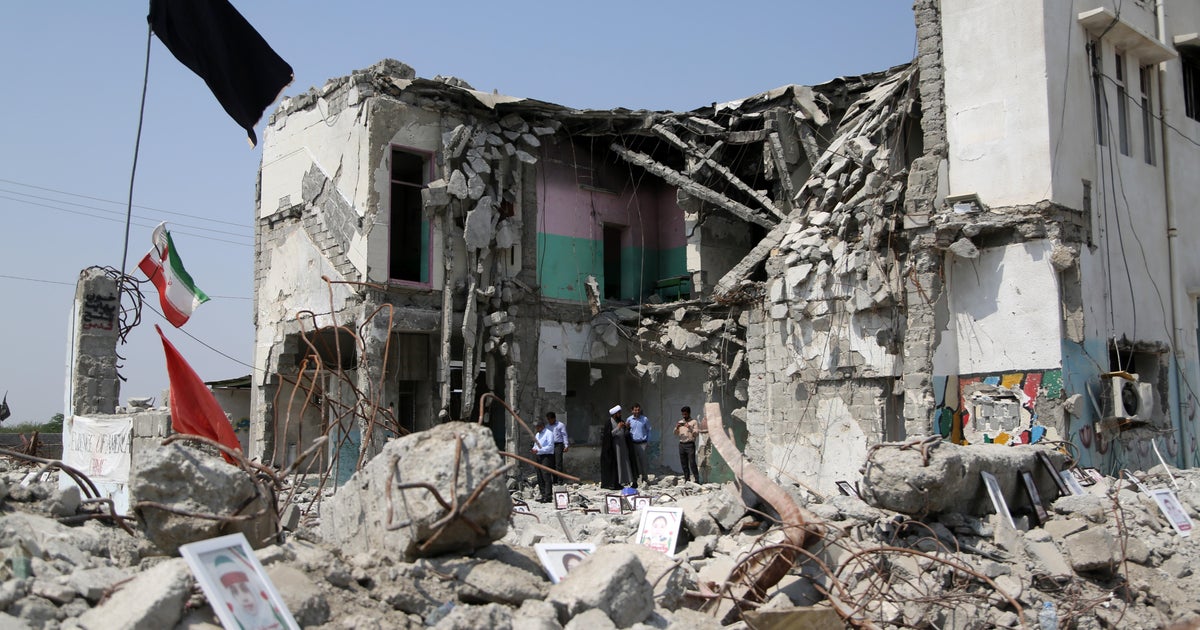
Independent human rights experts commissioned by the United Nations have stated there are "reasonable grounds" to believe the United States committed war crimes during two military strikes in Iran. The report from the international fact-finding mission on Iran focuses on two February airstrikes that resulted in civilian casualties, including a strike on a school in the southern city of Minab and a missile strike in the city of Lamerd.
The fact-finding mission, chaired by jurist Sara Hossain, was established in 2022 by the U.N. Human Rights Council to investigate reports of rights violations. The mission's latest findings arrive amid ongoing conflict involving the United States, Israel, and Iran, following a January crackdown by Iranian security forces on domestic anti-government protesters.
Regarding the strike on the Minab school, which occurred on the first day of the conflict, the mission reported the building was "clearly identifiable" as a civilian object. Iranian health officials and state media reported that approximately 170 people died in that attack, the majority of whom were girls between the ages of 7 and 12. A person briefed on preliminary U.S. intelligence told CBS News that the U.S. was "likely" responsible but may have relied on dated intelligence that misidentified the area as a military installation. The Trump administration has not directly accepted responsibility or released the results of a Pentagon investigation into the Tomahawk missile strike.
The mission also alleged war crimes regarding a second strike on February 28 in Lamerd, where a missile dispersed tungsten pellets over a sports complex and residential area. The experts reported that 22 civilian men and women were killed in this incident. While the mission attributed this strike to the U.S., U.S. Central Command (CENTCOM) has denied responsibility for the Lamerd attack. Additionally, the mission stated that Iranian security forces committed killings on a "staggering scale" during the January protests, which the experts characterized as "crimes against humanity."
For the U.S. government and military, the mission's report creates a legal and diplomatic challenge regarding the rules of engagement and the accuracy of intelligence used in the conflict. While a U.S. source acknowledged the likelihood of an error in the Minab strike due to outdated maps, the formal allegation of "indiscriminate attacks" by a U.N.-backed body carries weight in international law. A person residing in the affected Iranian cities would have experienced the immediate physical destruction of local infrastructure, such as schools and sports complexes, and the subsequent loss of civilian life in their neighborhoods.
The report also sets a precedent for how the U.N. Human Rights Council monitors conflicts involving major world powers. By labeling the actions of both the U.S. military and Iranian security forces as potential war crimes or crimes against humanity, the mission places both governments under international scrutiny. The next steps involve the continued review of these findings by the U.N. Human Rights Council. While no specific trial dates or enforcement deadlines were reported, the mission's statement serves as a formal record that could influence future international legal proceedings or diplomatic negotiations.