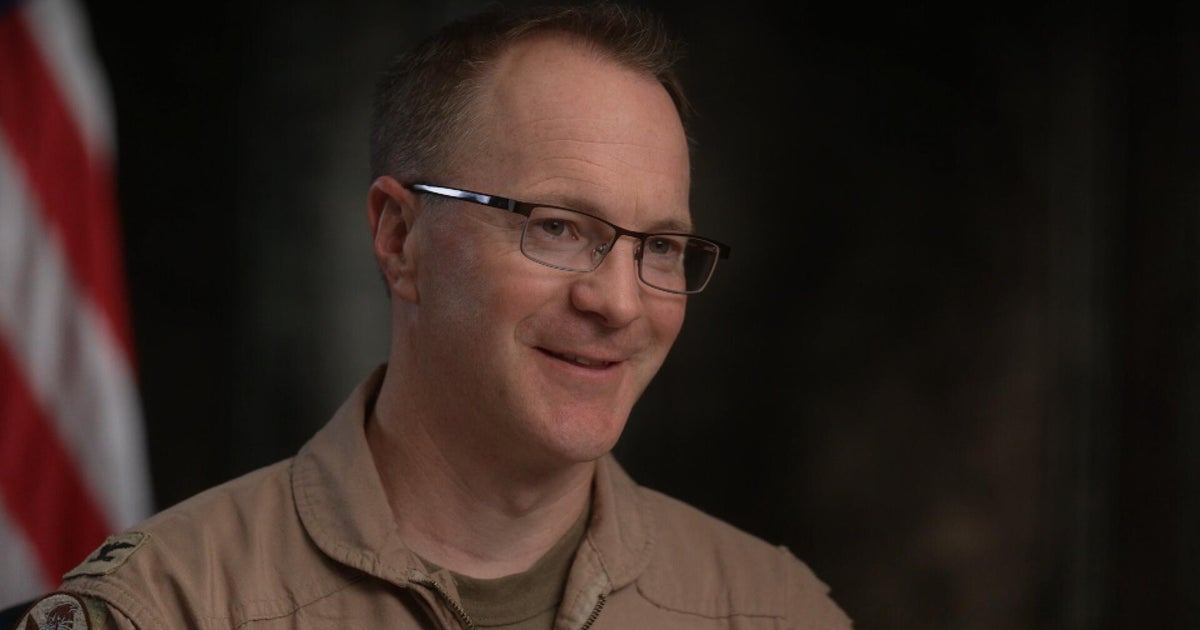
A U.S. Air Force officer, identified by the call sign Bravo, was rescued from Iran following a 50-hour evasion effort after his F-15E fighter jet was shot down on April 2. Bravo, who sustained a broken back, arm, and shoulder during the ejection and landing, evaded Iranian personnel by climbing a 7,000-foot ridgeline. The rescue operation involved approximately 92 special operators on the ground and several hundred personnel in the air.
The incident occurred five weeks into a war between the United States and Iran that began in February. According to Adm. Brad Cooper, the American commander in charge of the war, the aircraft, call sign DUDE 44, was conducting a strike on industrial facilities related to drone and missile programs near Isfahan. The $30 million jet was downed by a shoulder-fired missile estimated to cost $100,000.
Bravo reported that his parachute was damaged during the attack, leading to a high-speed landing he estimated was between 70 and 100 mph. Despite his injuries, he moved away from his landing site to seek concealment in the mountainous terrain. While his pilot, identified as Alpha, was rescued during a daytime raid six hours after the crash, Bravo remained behind enemy lines for two days.
The U.S. military and CIA utilized deception and technology to locate Bravo. To facilitate the rescue, American forces conducted strikes on nearby Iranian Revolutionary Guard units. During the final extraction on Easter Sunday, the rescue plane’s landing gear became stuck in the sand at a makeshift airstrip, briefly marooning the 90-plus special operators until a clandestine U.S. Air Force unit assisted in their departure. U.S. forces subsequently destroyed their own stranded aircraft to protect military technology.
On a broader scale, the event involved the deployment of 21 aircraft for the initial rescue attempt and a total force of 3,000 to 5,000 personnel in supporting roles. The loss of a $30 million F-15E to a $100,000 missile highlights cost disparities in modern aerial warfare. The use of CIA-led deception and clandestine units to retrieve the stranded operators indicates the level of coordination required between intelligence agencies and military branches during active hostilities.
The successful recovery of Bravo and Alpha concludes this specific search and rescue mission, though the war between the U.S. and Iran continues. Alpha has already returned to active flight duty, while Bravo’s recovery from multiple fractures remains ongoing. The U.S. military has not released the specific identities of the airmen to protect against ongoing security threats. No further rescue operations of this scale have been announced.