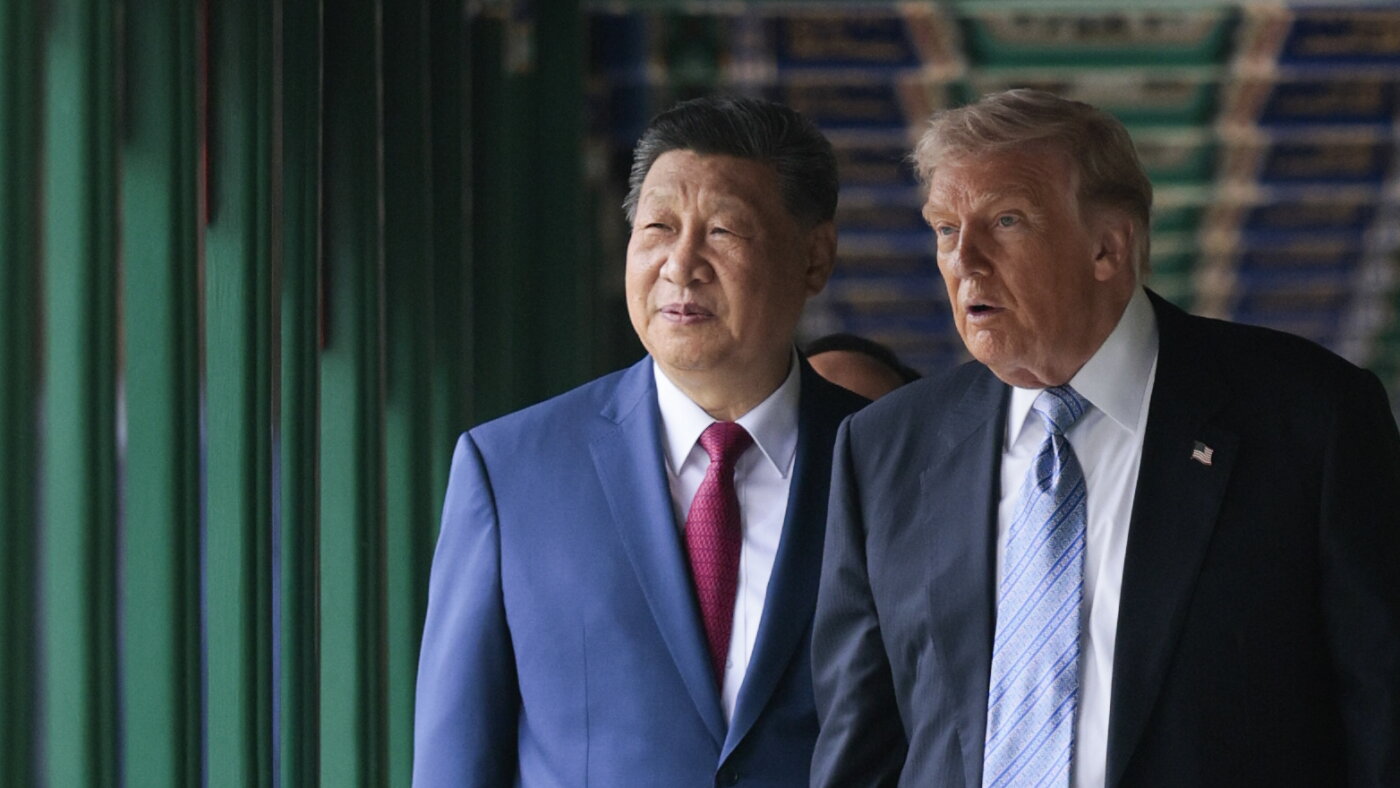
U.S. and Chinese officials are working to finalize logistical and agenda details for a meeting between President Trump and Chinese President Xi Jinping scheduled to take place in Washington, D.C. in seven days. While Chinese diplomats have expressed optimism regarding the summit, some key arrangements, including briefing materials and the composition of the state dinner, remain unsettled. The upcoming meeting follows a visit by President Trump to Beijing in May and comes amid ongoing discussions regarding trade, technology, and export controls.
Interagency discussions within the U.S. government to prepare briefing materials for the president have not yet concluded, according to U.S. officials who spoke on the condition of anonymity. Planning has been affected by a disagreement over the size of the Chinese delegation at a planned state dinner. While the White House is planning for approximately 100 guests, Chinese officials requested more than half of the seats to potentially accommodate business executives, a proposal that faced U.S. pushback.
The summit agenda includes the status of reciprocal export moratoriums scheduled to expire on November 10. These involve Chinese export controls on rare earth products and U.S. export controls on advanced semiconductor chips. While Chinese officials previously offered to extend the rare earths moratorium through January 2029, U.S. negotiators rejected the offer in favor of a six-month extension to be announced after this summit.
Tensions persist over supply chain issues and previous trade commitments. U.S. Treasury Secretary Scott Bessent stated in July that the U.S. is concerned that rare earths are not flowing freely and may "push back" if detrimental measures continue. Simultaneously, a commitment for China to purchase 200 Boeing aircraft has faced difficulties as the U.S. has been reluctant to sell replacement parts for Boeing planes and China’s C919 airliner. Chinese officials have also criticized recent Federal Communications Commission (FCC) actions barring imports of Chinese drones and routers.
For the average consumer and worker, the outcome of these talks could influence the price and availability of electronics, as well as job stability in the American aerospace and telecommunications sectors. Farmers may also see continued impact on fertilizer prices due to China’s ongoing export ban on phosphate, a key ingredient Beijing attributes to shortages from the Iran war. The specific number of business executives allowed to attend the state dinner remains a point of contention.
The summit follows a U.S. policy of "perfect reciprocity" in diplomatic protocol, intended to ensure Xi Jinping receives no more access than President Trump received in May. This policy contributed to the cancellation of a proposed speech by Xi at a Washington university. Following this meeting, attention will shift to the November 10 deadline for export controls and whether President Trump will attend the Asia-Pacific Economic Cooperation (APEC) meetings in Shenzhen, China, this November.
What happens next: The leaders are scheduled to meet in Washington in seven days. The rare earth and semiconductor moratoriums are set to expire on November 10. Additionally, the APEC summit in Shenzhen is scheduled for November.