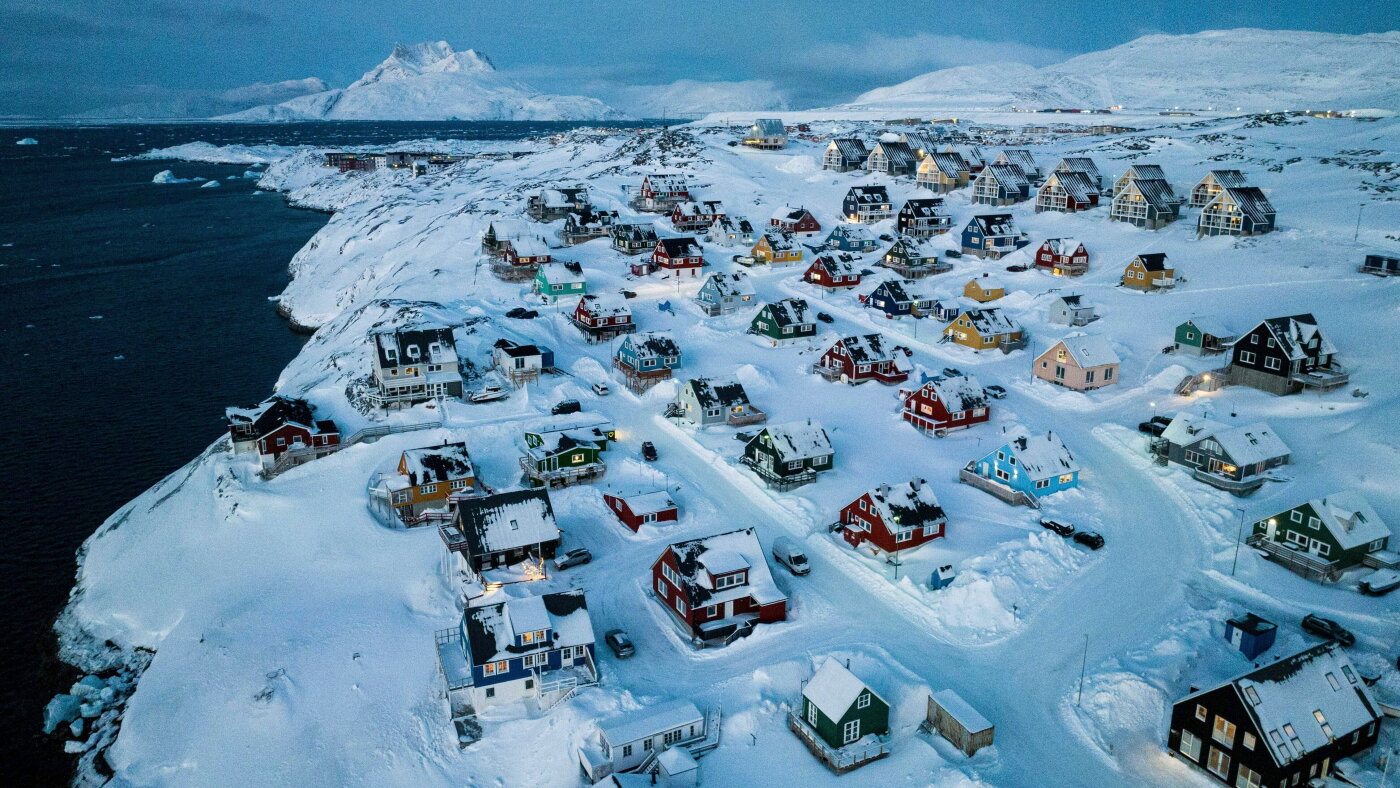
President Donald Trump announced on a Friday that the United States has reached an agreement with Denmark to bolster the U.S. military presence in Greenland. The deal follows months of negotiations and previous statements by the president suggesting the U.S. might acquire the territory by force. According to the announcement, the pact recognizes Greenland remains under Danish sovereignty while granting the U.S. increased control over security matters in the Arctic territory.
The agreement comes after a period of tension during which Danish and Greenlandic officials repeatedly stated the island was not for sale. The U.S. had expressed concerns regarding the strategic importance of Greenland for North American defense against Russia and China. During this period, the administration also engaged in military operations in Venezuela and a conflict with Iran.
Under the terms of the new pact, the U.S. will begin the process of developing a larger military presence on the island, which currently hosts approximately 56,000 residents. A State Department official speaking on the condition of anonymity stated the deal prohibits non-NATO bases, limits investments from U.S. adversaries, and bars Russia and China from establishing a presence there. Secretary of State Marco Rubio described the agreement as a measure that ensures Greenland will be part of the strategic defense area of North America.
On a broader scale, the pact follows what Imran Bayoumi of the Atlantic Council described as a period of damaged U.S. credibility in Europe. The scale of the military expansion—including the specific number of new troops or the dollar amount for construction—was not reported. However, the agreement limits adversaries from being able to make investments in Greenland, which is mineral-rich.
What happens next depends on legislative approval in both Denmark and Greenland. While the three governments are scheduled to sign the pact during the United Nations General Assembly next week, parliamentary action is required in the Danish and Greenlandic governments before the terms can be enforced. The specific dates for these legislative votes were not reported. Once approved, the U.S. administration intends to begin the process of expanding its military footprint to address its stated Arctic security concerns.