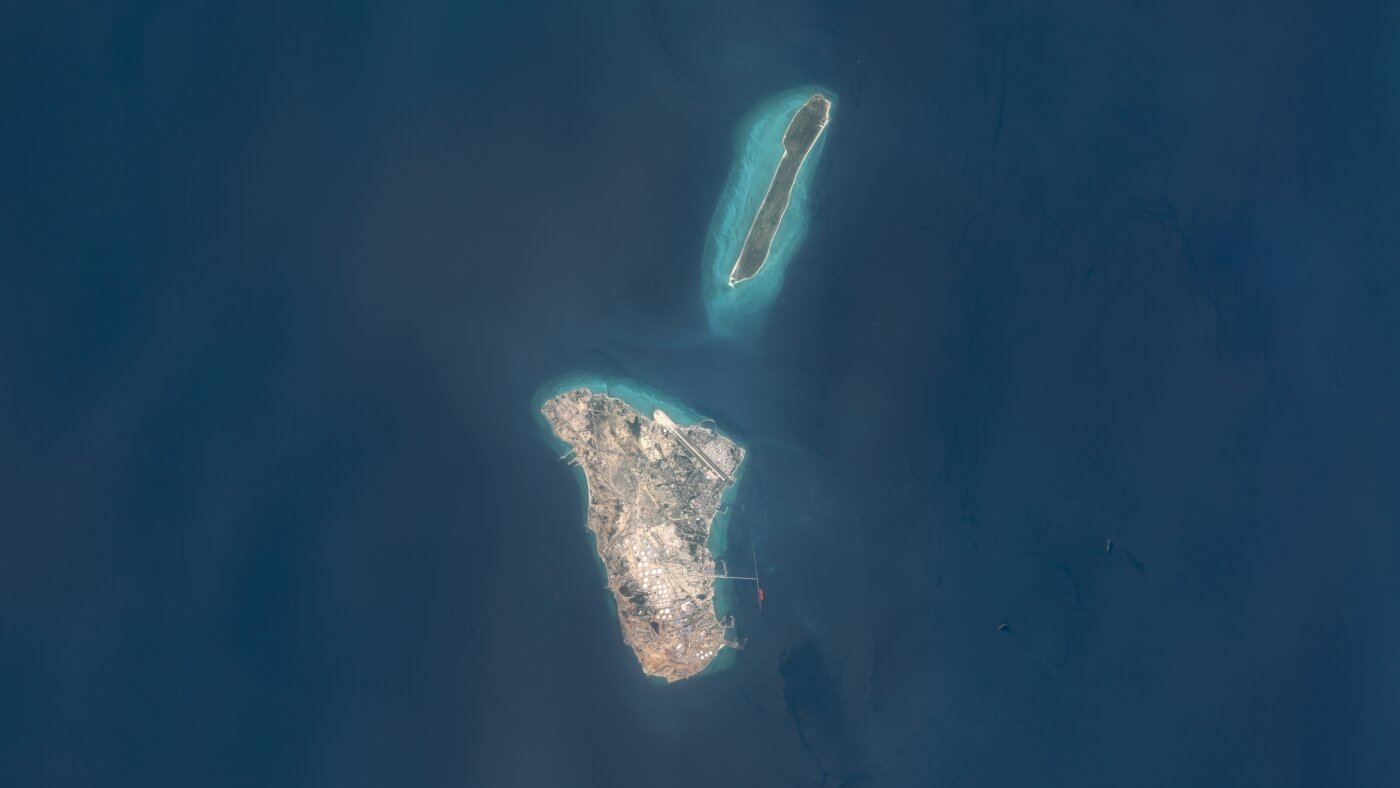
U.S. Central Command (CENTCOM) conducted a series of military strikes against Iranian targets on Wednesday, hitting command centers, air defense sites, and missile facilities in Bandar Abbas and Greater Tunb Island. The U.S. military also reported disabling the Belma, a Curaçao-flagged oil tanker, which officials stated had ignored warnings while attempting to bypass a newly reinstated U.S. blockade on Iranian ports.
In response, Iranian forces launched retaliatory strikes on Thursday against U.S. military bases located in Jordan and several Gulf countries. Iranian state media reported that the current wave of hostilities has resulted in 35 deaths and over 300 injuries within Iran. The Iranian military command issued a statement warning of potential destruction to regional infrastructure and suggested that other oil and gas export routes, such as the Bab el-Mandeb Strait, could be closed.
The escalation follows the U.S. decision this week to reimpose a military blockade on shipping in the Strait of Hormuz, a waterway where approximately 20% of the world's oil and gas supplies transit. CENTCOM Commander Adm. Brad Cooper stated the actions were necessary to hold Iran accountable for attacks on commercial vessels, while Iranian authorities maintained that regional energy exports must be available to all or none.
The renewed fighting has effectively ended a tentative ceasefire between the two nations that followed the start of hostilities in February. In Washington, the Trump administration notified Congress of the conflict's status on July 10, a move legal analysts suggest is intended to reset the 60-day War Powers Act clock for military action without specific congressional authorization.