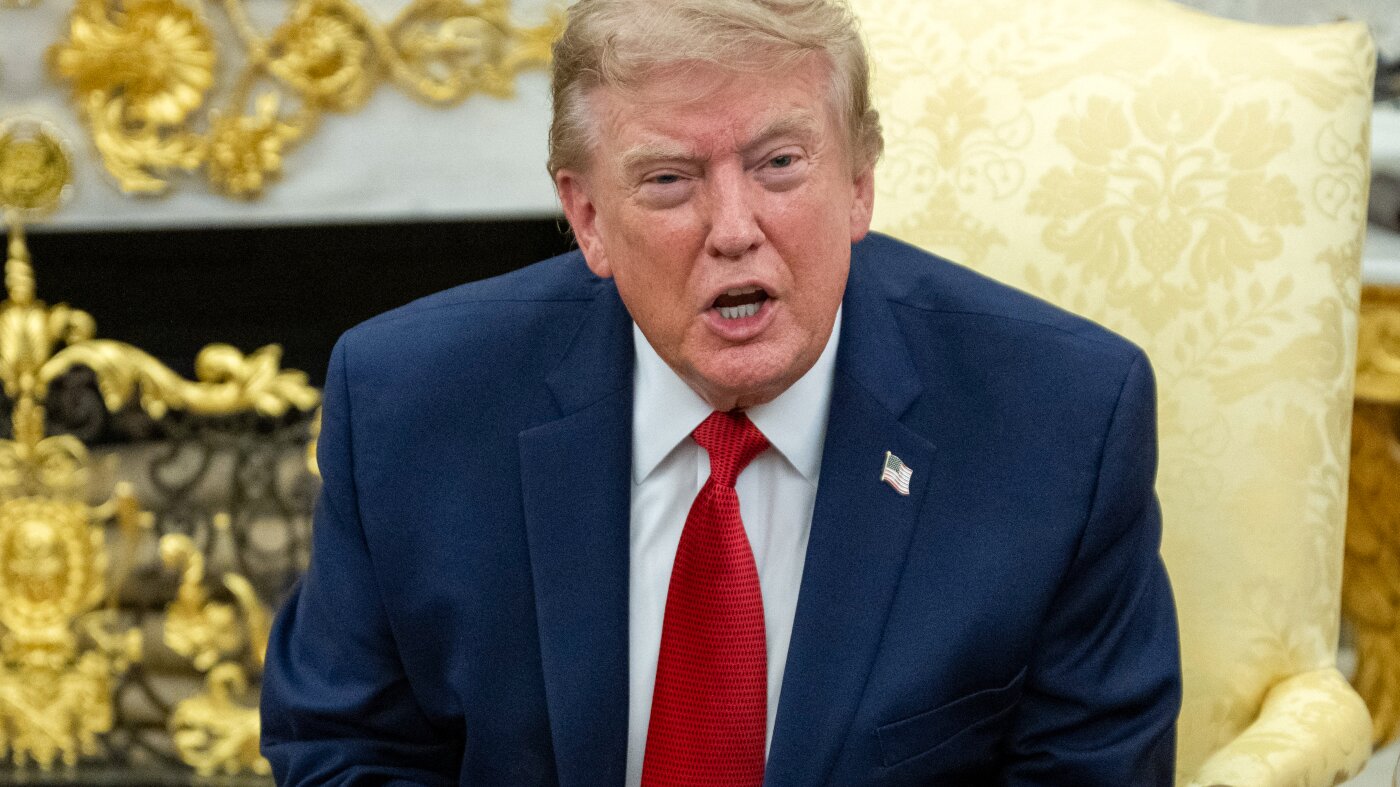
The United States and Iran missed a deadline this week to commence peace negotiations intended to resolve a conflict that has lasted nearly six months. President Trump concurrently ordered the Pentagon to scale back joint military exercises with South Korea, citing a lack of support from that nation in the ongoing war against Iran. The annual drills, which began in 1976, serve as a primary countermeasure to North Korea's nuclear program.
Military analysts and organizations, including the Center for Strategic and International Studies, report that the monthslong conflict has significantly depleted U.S. military resources. The U.S. interceptor missile stockpile has reportedly decreased by approximately two-thirds. Furthermore, naval experts noted that for one of the few times in recent history, the U.S. has no aircraft carriers currently stationed in the Pacific, as the USS Washington was redirected to the Middle East to relieve the USS Lincoln.
In regional diplomacy, U.S. envoy Jared Kushner met with Israeli Prime Minister Benjamin Netanyahu on Monday to discuss a U.S.-backed roadmap for Gaza. The plan requires Hamas to surrender its weapons to a U.S. general for destruction before Israel withdraws or reconstruction begins. While Kushner reported progress in resolving misunderstandings about the plan, Israeli communications have been mixed; a Hebrew-language message from an anonymous official expressed doubt that Hamas would disarm, despite a more constructive English-language statement from the government.
For personnel in the U.S. military and their families, the redirection of the USS Washington and the cancellation of long-standing joint exercises represent a shift in deployment schedules and training mandates. South Korean officials and citizens may notice a reduction in the visible U.S. military presence that has been a fixture of regional defense for 50 years. Additionally, the lack of progress in peace talks suggests that the economic and human costs associated with the six-month war will continue, potentially impacting federal budgets and military spending priorities for the foreseeable future.
The precedent set by tying South Korean military cooperation to its support for the Iran conflict could alter the nature of U.S. bilateral defense treaties. What happens next depends on the 10-week window leading up to Israeli elections, during which significant movement on the Gaza roadmap is considered unlikely. In the United States, voters in Alaska, Florida, and Wyoming are casting ballots in primary elections today, August 18, 2026, which will determine the candidates for the November midterms and ultimately decide which party controls the U.S. Senate.