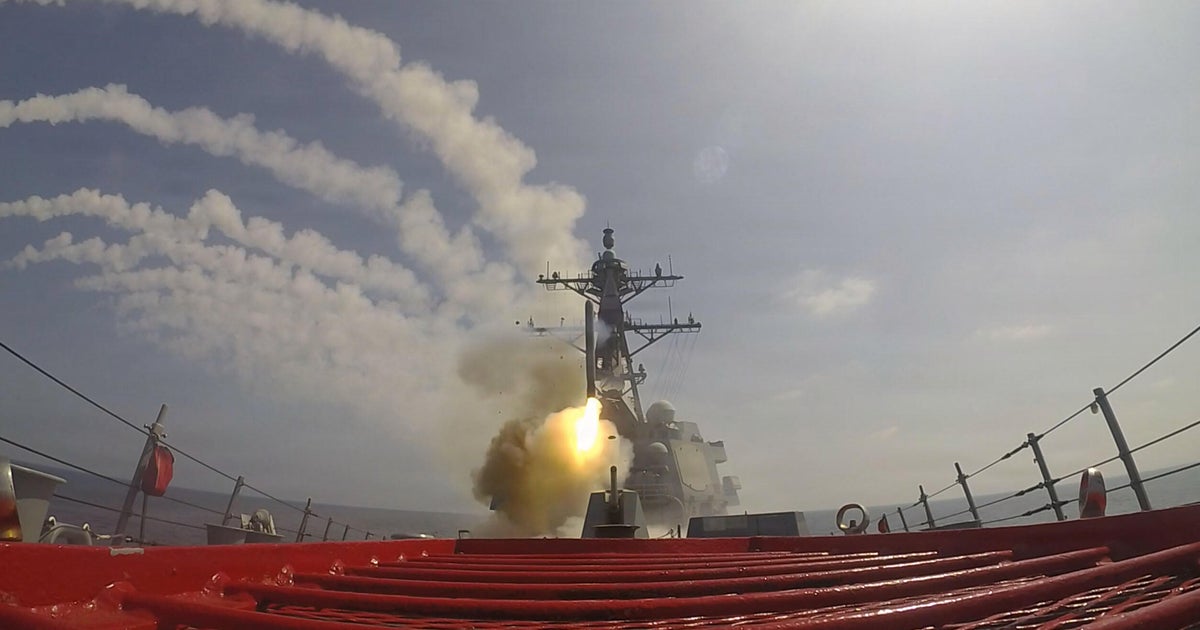
The United States and Saudi Arabian militaries conducted joint airstrikes against sites in eastern Iraq on Tuesday night. U.S. Central Command (CENTCOM), the Department of Defense unit overseeing regional operations, stated the targets were logistics and weapons facilities used by Iranian-backed groups. The Saudi Ministry of Defense confirmed its participation, describing the mission as a "targeted" exercise of its right to self-defense.
This military action follows a five-day pause in direct U.S. strikes against targets in the region as the Trump administration pursued diplomatic discussions. Before the pause, the U.S. had carried out nearly two weeks of nightly strikes. Despite the reported diplomatic efforts, CENTCOM alleged that Iran's Islamic Revolutionary Guard Corps (IRGC)—a branch of the Iranian Armed Forces—directed more than 30 attempted drone and missile attacks against U.S. and Saudi interests over the preceding 72 hours.
CENTCOM officials stated that the combined U.S.-Saudi response was prompted by unsuccessful drone strikes on American forces and successful interceptions of drones targeting Saudi petroleum facilities in Riyadh and eastern provinces. Earlier on Tuesday, CENTCOM reported that U.S. forces intercepted ballistic missiles launched by the IRGC. While the specific Iraqi groups targeted were not named, the U.S. has previously identified groups like Kata'ib Hezbollah as being funded and directed by Iran.
For the American public and federal personnel, this escalation marks a shift from the recent five-day "lull" in hostilities. While President Trump stated that diplomacy is still an option, the shift to active kinetic operations—physical military strikes—means that service members remain in high-readiness status, and the threat of retaliatory strikes on U.S. bases in Iraq continues. Investors and consumers may monitor these developments for impact on global oil prices, given that Saudi petroleum sites and the Strait of Hormuz—a waterway where 21 million barrels of oil pass daily—are central to the tensions.
The strikes set a precedent for direct Saudi-U.S. coalition combat operations within Iraqi territory against IRGC-affiliated proxies. This cooperation could influence future regional security agreements but also risks further diplomatic friction with the Iraqi government regarding its national sovereignty. What happens next depends on the outcome of stalled talks; President Trump has warned of additional strikes if a deal regarding Iran's uranium enrichment and maritime control of the Strait of Hormuz is not reached. No specific deadline for these talks has been publicly stated.