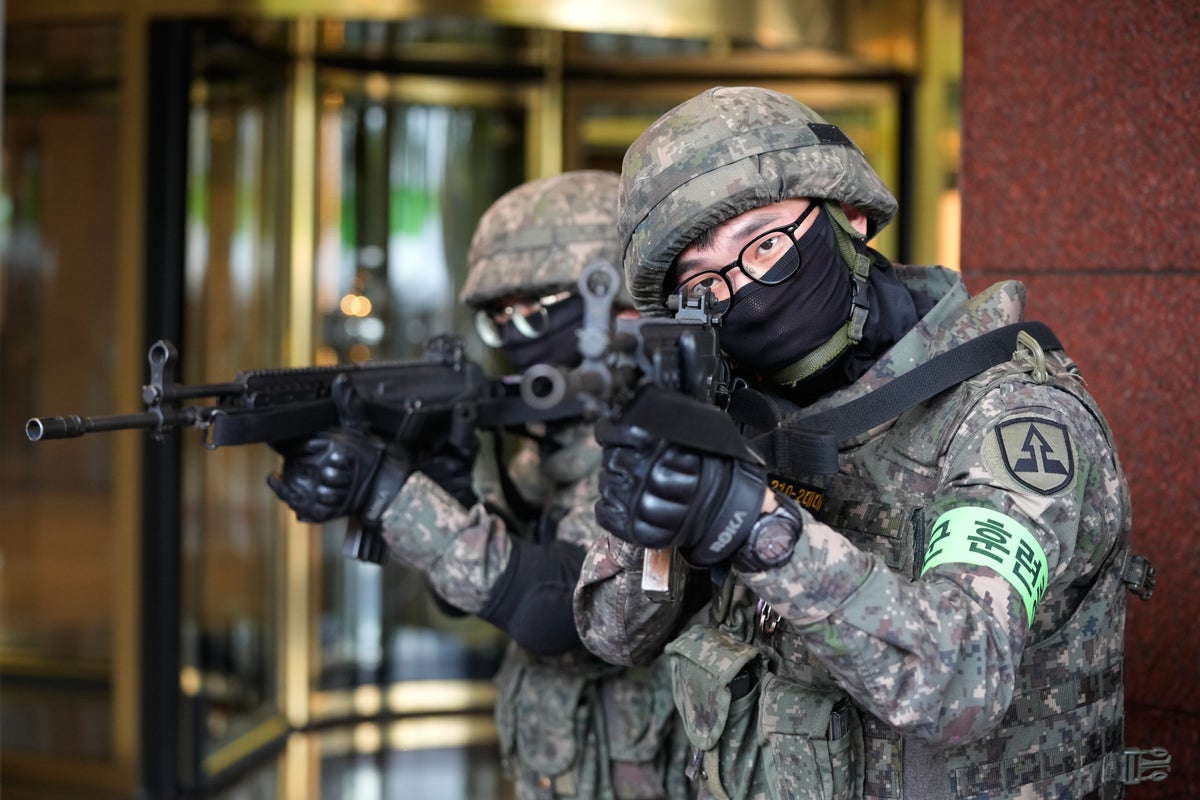
The U.S. and South Korean militaries concluded their annual joint exercises on Friday, finishing the drills six days earlier than originally planned. President Donald Trump ordered the Pentagon to reduce the scale and duration of the Ulchi Freedom Shield exercises just before they began on Monday, characterizing the move as a gesture toward North Korean leader Kim Jong Un.
The decision followed President Trump's statements regarding his relationship with Kim and his criticism of South Korea's level of support concerning the war in Iran. The Ulchi Freedom Shield is one of the primary annual military exercises conducted by the two nations to maintain readiness against potential aggression. The reduction in the exercise's scope has led to concerns regarding the state of joint U.S.-South Korean military preparedness.
North Korea responded to the shift with skepticism and military activity. Kim Yo Jong, sister to the North Korean leader, stated on Wednesday that the changes were insufficient to alter the nature of the drills. The following day, North Korea launched approximately 10 short-range ballistic missiles toward the sea. The U.S. Pacific Command stated these launches did not pose an immediate threat to the U.S. or its allies, affirming a commitment to regional defense.
The shift in military policy represents a concrete change in how the U.S. manages its presence in East Asia, prioritizing diplomatic signaling over full-scale training cycles. For South Korean citizens and defense officials, this adjustment highlights a potential shift in the U.S. approach to regional security agreements, particularly as President Trump linked the decision to South Korea’s stance on the conflict in Iran. The reduction in training time may alter the immediate operational readiness of the joint forces, a factor that military analysts suggest could influence future defense planning for the two nations.
What happens next depends on the diplomatic response to North Korea's demands for international recognition as a nuclear state and broad sanctions relief. While President Trump told reporters on Wednesday that he intends to meet with Kim Jong Un this year, North Korean officials have indicated that a personal relationship between leaders is not enough to restore formal diplomacy. The U.S. midterm elections are expected to be a factor in future timing, as North Korea may wait to seek further concessions. No specific dates for new talks or subsequent missile tests have been announced.