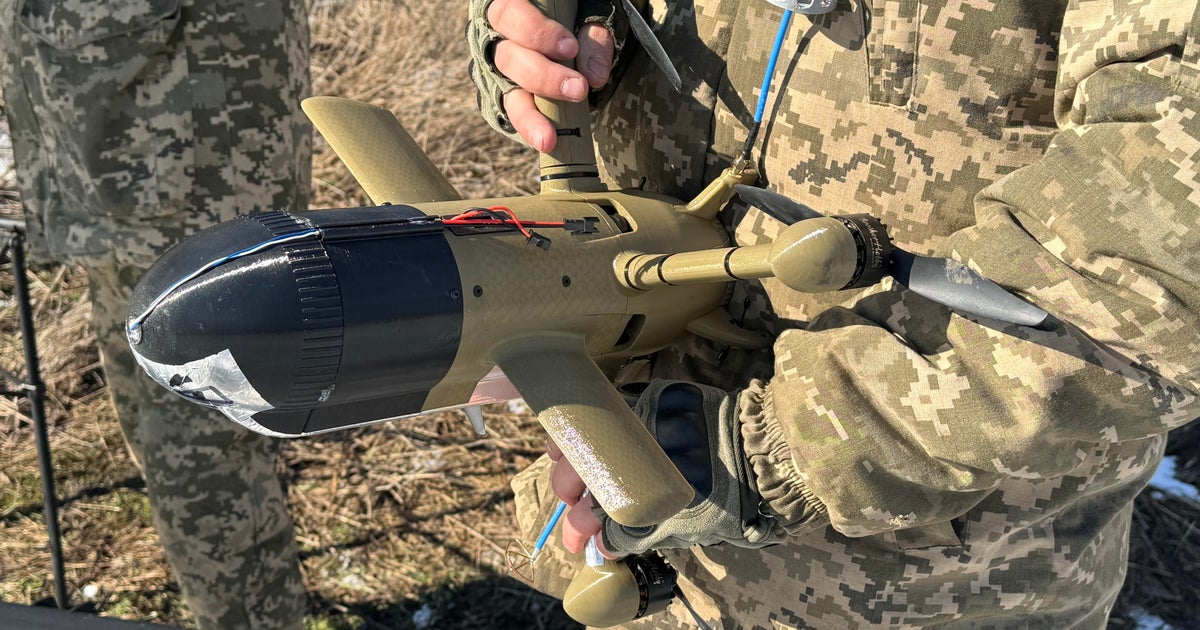
Ukraine and the United States have developed a framework for a drone defense agreement intended to expand the testing and production of Ukrainian military technology in the U.S. According to three sources familiar with the matter, Ukrainian President Volodymyr Zelenskyy is prepared to sign the deal during the United Nations General Assembly in New York City, though the finalization may occur at a later date depending on U.S. readiness.
The proposed agreement follows a year of collaboration between the U.S. Department of Defense and its Ukrainian counterpart. The partnership emerged as the U.S. and its allies sought cost-effective methods to intercept Iranian-designed Shahed one-way attack drones, which have targeted U.S. military installations in the Middle East and cities in Ukraine. Kyiv previously sent drone interceptors and pilots to assist U.S. and Gulf state forces during the early stages of the conflict with Iran.
The deal would establish a formal structure for Ukrainian defense firms to work directly with American companies and the U.S. military. Former Army Secretary Dan Driscoll reported that while the U.S. Army acquired approximately 50,000 drones in 2025, Zelenskyy stated that Ukraine aims to produce 10 million drones this year. Ukrainian-linked firms such as Perennial Autonomy, Skyfall, and Neros have already participated in U.S. military drone contract competitions, with Skyfall winning the first "gauntlet" event and others winning the second.
The scale of the collaboration is reflected in the U.S. Drone Dominance Program, which seeks to purchase more than 200,000 drones by 2027. For U.S. military members, this shift means a change in day-to-day operations as they adopt Ukrainian-developed methods for coordination, planning, and environmental analysis. A person in a drone unit would notice a greater reliance on AI-driven beacons and specific operational software that requires specialized training from Ukrainian teams, who Deborah Fairlamb of Green Flag Ventures said possess unique battlefield experience.
The deal sets a precedent for the U.S. military to absorb foreign operational know-how alongside hardware, potentially influencing future procurement policies for automated systems. However, the U.S. Army recently phased out a drone battalion tasked with studying these lessons following the departures of Gen. Randy George and Gen. Christopher Donahue. What happens next depends on the U.S. government's timeline for signing; while Zelenskyy is prepared to sign during the current U.N. General Assembly, no specific effective date for the broader framework has been confirmed.