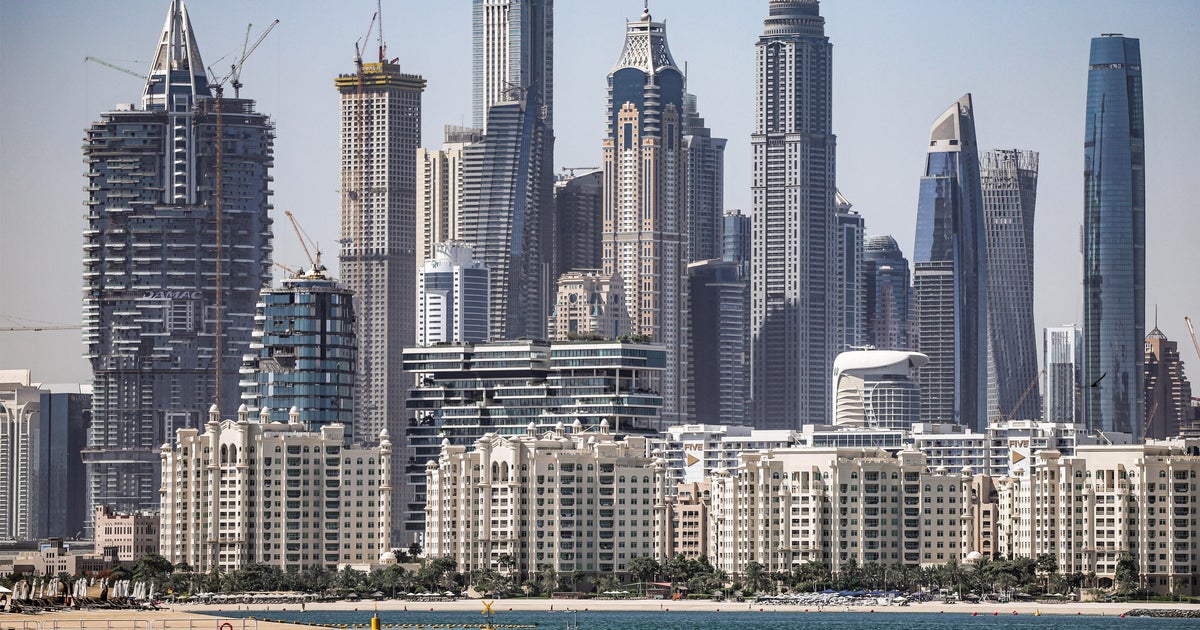
The Trump administration has signaled an intensification of economic pressure against Iran, with Treasury Secretary Scott Bessent pledging the most restrictive sanctions to date. The effectiveness of this policy may depend on the United Arab Emirates (UAE), specifically the financial hub of Dubai. Former Treasury official Miad Maleki stated that approximately 80% of Iran's foreign currency exchange currently flows through Dubai, which has historically functioned as a center for Iranian oil revenue and imports from China.
The U.S. Treasury Department has already initiated actions against several entities in Dubai, identifying them as part of a "shadow banking system" for the Iranian government. These actions include an August 7 announcement regarding HMS Trading FZE, which the Treasury alleged helps Iran retrieve revenue from overseas oil sales. Additionally, the Treasury identified two Dubai-based currency exchange firms as being used by Iran's Shahr Bank to move funds linked to the Islamic Revolutionary Guard Corps.
In response to these developments and recent regional hostilities, the UAE Ministry of Foreign Affairs announced that it has suspended all trade and financial transactions with Iran until further notice. This announcement followed reports from Emirati officials that Iran launched two ballistic missiles toward the UAE and targeted an Abu Dhabi National Oil Company vessel in the Strait of Hormuz. A Trump administration official stated on Friday that existing sanctions and a naval blockade have already significantly impacted the Iranian economy.
The scale of this economic pressure involves the potential disruption of 80% of Iran’s foreign currency access. For an Iranian household, the continuation of these "crushing sanctions" is intended to further restrict the government's ability to fund public services or stabilize its currency. Under the current Treasury orders, U.S. citizens are now legally barred from conducting business with the named Dubai-based firms, and foreign banks that continue to work with these entities face secondary sanctions, which could result in their own loss of access to the U.S. financial system.
The knock-on effects could alter the broader energy and shipping markets in the Middle East. If the UAE maintains its halt on all commercial exchanges, it sets a precedent for other Gulf nations to move away from being neutral facilitators of Iranian trade. The U.S. naval blockade and the resulting regional tensions in the Strait of Hormuz have already affected maritime safety and commercial shipping costs. The next steps will likely involve further U.S. Treasury designations of shell companies and monitoring of the UAE's enforcement of its trade suspension.