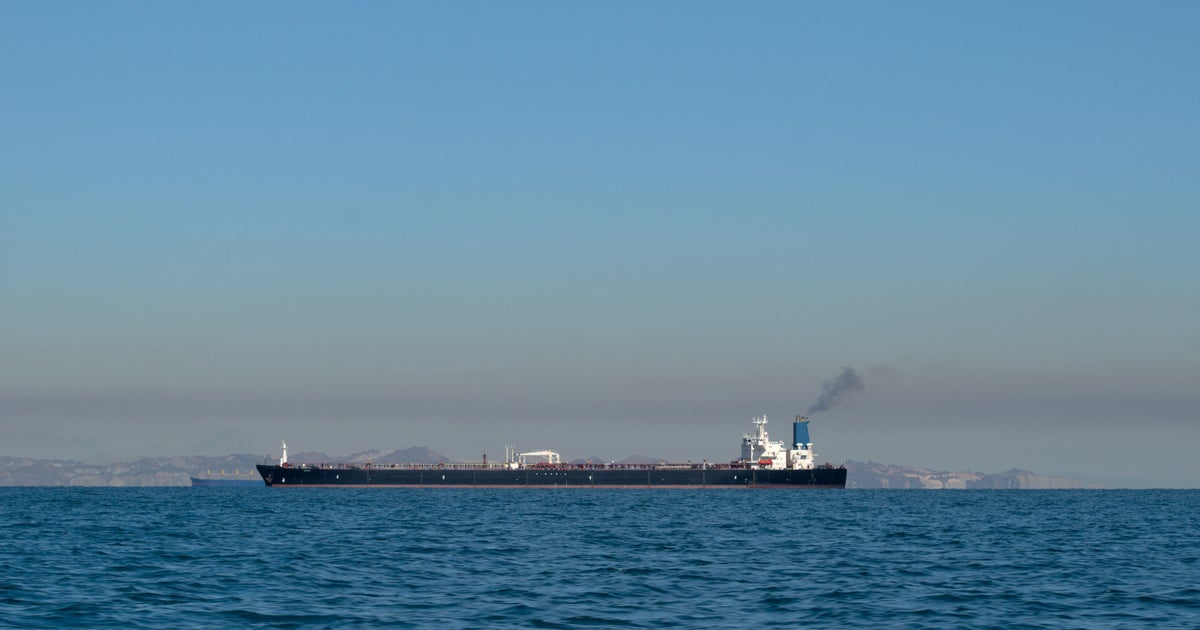
President Donald Trump announced Monday that the United States is reinstating a blockade on Iranian ports and intends to charge a 20% fee on cargo shipments passing through the Strait of Hormuz. The president stated on Truth Social that the waterway would remain open to other nations while denying access to Iranian vessels and customers. Iran continues to claim sovereign control over the narrow corridor, and both nations have exchanged fire in several recent skirmishes.
Military and maritime experts indicate that establishing total control over the strait presents significant logistical challenges. Jason H. Campbell of the Middle East Institute noted that Iran’s decades of preparation for asymmetric warfare, including the use of mobile drone and missile units, make it difficult to secure the area through airstrikes alone. Analysts suggest that fully restoring commercial traffic to pre-conflict levels might require tens of thousands of ground troops to secure hundreds of miles of coastline.
The U.S. Navy currently faces different conditions than those of the 1980s escort operations. Michael Eisenstadt of the Washington Institute for Near East Policy observed that the current fleet is smaller while Iran's technological capabilities, specifically in drone and missile tech, have advanced. While U.S. Central Command reports that alternative pathways remain open via southern routes near Oman, commercial shipping remains limited due to the continued threat of mines and Iranian coastal interference.