The Plain Record

Neutral daily news — clear headlines, complete facts.

National

U.S. Army Reserve assesses readiness for potential Southern Command operations

An internal Army message shows military planners are assessing the availability of medical and police units for potential support in the Southern Command region.

Published September 25, 2026 at 6:06 AM EDT

The short answer

An internal Army message shows military planners are assessing the availability of medical and police units for potential support in the Southern Command region. The U.S. Army Reserve is reviewing whether it can provide medical personnel, police forces, and other support units to U.S. Southern Command within the next four months, according to an internal message.

U.S. Army Reserve assesses readiness for potential Southern Command operations

The Facts

Who
The U.S. Army Reserve and U.S. Southern Command
What
The U.S. Army Reserve is reviewing the availability of support units, including medical and military police, for potential deployment to the Southern Command region within 90-120 days.
When
Late September, following a Sept. 25 deadline for feedback.
Where
Washington, D.C., and U.S. Southern Command area of responsibility
Why
Military planners are preparing logistical and support options as the Trump administration increases economic and diplomatic pressure on the Cuban government.

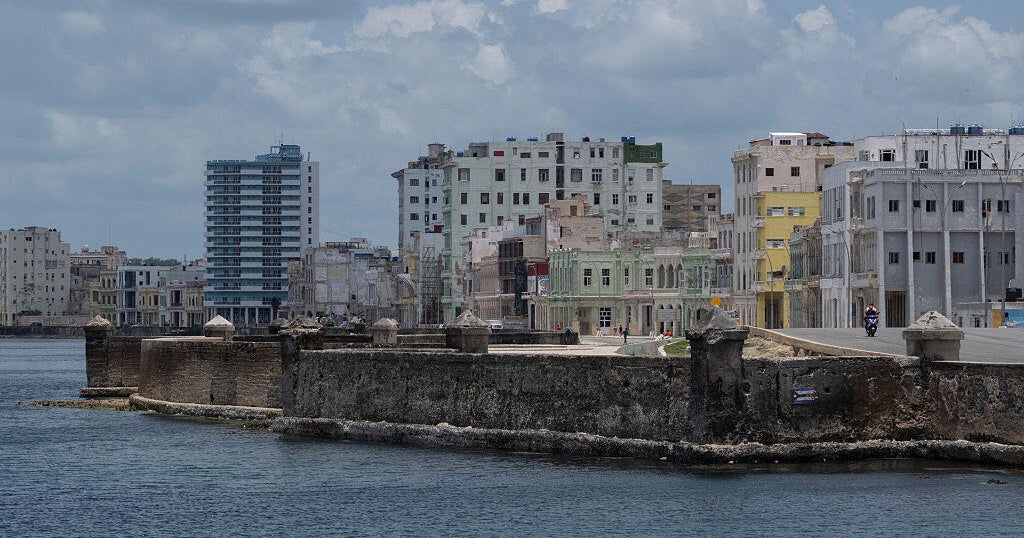
The U.S. Army Reserve is reviewing whether it can provide medical personnel, police forces, and other support units to U.S. Southern Command within the next four months, according to an internal message. While the document does not explicitly name a target nation, multiple U.S. officials speaking anonymously said the request is for continued military planning focused on Cuba. The message asks subordinate commands to report on the availability of these units by Sept. 25.

The request follows months of activity in the region, including seafloor reconnaissance operations and maritime approaches around Cuba earlier this year. In July, CBS News reported that military planners examined options for potential action that included a thousands-soldier air assault by the 101st Airborne Division. U.S. Southern Command stated it does not comment on potential deployment timelines or operational details but coordinates regularly to assess requirements for assigned missions.

The internal Army document seeks six types of formations, including combat sustainment support, engineer, and military police brigades. These units would specialize in logistics, detention, and emergency surgery. This planning occurs alongside economic measures, including U.S. sanctions on Cuban military research and nickel industry entities announced ahead of the U.N. General Assembly. President Trump told the U.N. General Assembly that his administration seeks "fundamental change" on the island and predicted the government "will fall."

The scale of broader regional operations involves at least 230 people killed in 70 U.S. military strikes in the Caribbean and eastern Pacific since September. Legal experts noted these strikes represent a change from historical maritime drug interdiction and raised questions regarding the legal standards for targeting individuals suspected of criminal activity. In Cuba, the government has already cited "economic warfare" resulting from blocked oil imports.

A deployment of this nature would follow what officials have dubbed the "Donroe Doctrine," a policy focused on limiting foreign adversaries in the Western Hemisphere. The mobilization of logistics and medical brigades would indicate a shift from reconnaissance to theater preparation, potentially straining assets currently focused on conflicts with Iran. While the Sept. 25 feedback deadline has passed, it is not yet known if deployment orders have been issued or if the president has authorized a specific operation. President Trump previously stated in March that he believed he could "do anything I want" with Cuba.

Timeline of what happened

Key dates and decisions, in the order they occurred.

  1. January 1, 2026

    Nicolas Maduro captured following Caribbean military build-up

  2. March 1, 2026

    President Trump states he could 'take Cuba' in some form

  3. April 1, 2026

    U.S. and Ecuadorian troops launch joint mission against criminal hub

  4. May 1, 2026

    Intelligence officials assess potential Cuban response to military action

  5. July 16, 2026

    Reports emerge of Pentagon drawing up plans for possible air assault

  6. September 25, 2026

    Deadline for Army Reserve commands to provide feedback on unit availability

Summaries are written by The Plain Record to state the facts of a story plainly and without political slant. Drafted with AI assistance and checked against the source record before publication. See how we report, or report a correction.

← Back to the front page

Questions readers ask

What happened: U.S. Army Reserve assesses readiness for potential Southern Command operations?

The U.S. Army Reserve is reviewing the availability of support units, including medical and military police, for potential deployment to the Southern Command region within 90-120 days.

Who is involved?

The U.S. Army Reserve and U.S. Southern Command

When did this happen?

Late September, following a Sept. 25 deadline for feedback.

Where did this happen?

Washington, D.C., and U.S. Southern Command area of responsibility

Why does this matter?

Military planners are preparing logistical and support options as the Trump administration increases economic and diplomatic pressure on the Cuban government.