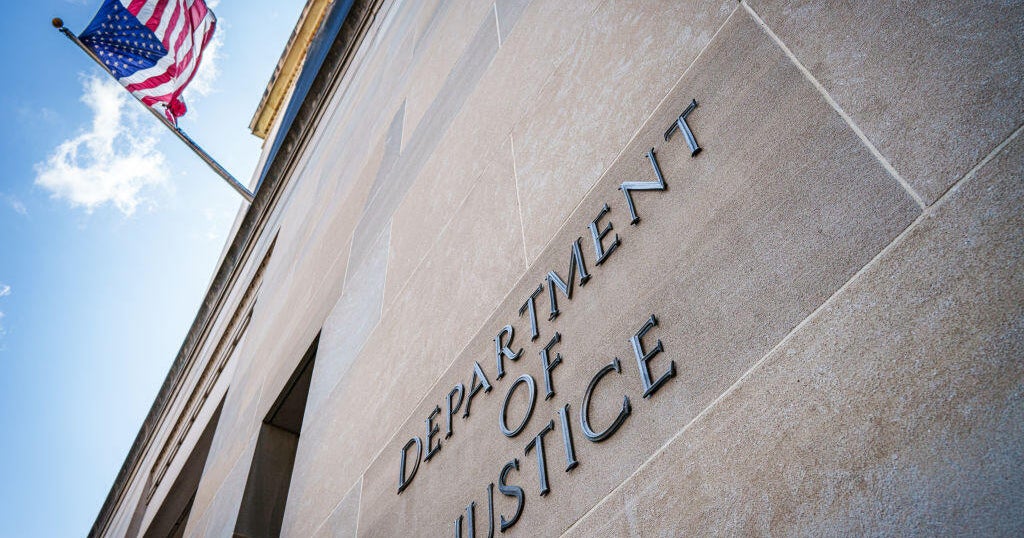
The U.S. Department of Justice unsealed an indictment on Tuesday charging five individuals associated with a group it termed the "RIS Network" for their alleged roles in a series of murder-for-hire and arson plots. Federal prosecutors in New York allege the group, led by a former Russian intelligence colonel, functioned as a global assassination network targeting critics of the Kremlin, including a plot directed at a Russian dissident living in the United States.
According to the indictment, the defendants include 63-year-old Yuri Khrameev, his son Kirill, two Cuban nationals, and one Venezuelan national. All five individuals are believed to be residing in Russia and remain at large. The charges follow previous reports from NATO-allied countries, including Lithuania and the Czech Republic, regarding suspected Russian-linked sabotage and arson attacks occurring within their borders.
Court documents detail a July and August plot where two operatives allegedly offered a Brooklyn resident $1,000 to $1,500 to conduct surveillance on a Russian dissident believed to be in the Washington, D.C., area. The operatives then reportedly offered $40,000 to "eliminate" or "disappear" the target. Prosecutors state the Brooklyn resident refused to carry out the killing. In a separate instance, Yuri Khrameev and his son allegedly offered a U.S. citizen $25,000 to kill an individual in Lithuania who was accused of "telling lies about Russia."
For individuals living in the U.S., these allegations indicate a concrete attempt by foreign intelligence services to recruit residents for illegal surveillance and violent acts on domestic soil. A person targeted by such surveillance might not notice the activity until an indictment is unsealed or law enforcement intervenes. The legal proceedings highlight a reported shift in foreign intelligence tactics, where U.S. officials, including Assistant Attorney General John Eisenberg, state that foreign agents are increasingly attempting to hire local residents to carry out operations rather than using their own personnel exclusively.
The knock-on effects of these indictments include increased scrutiny of foreign intelligence activities within the U.S. and a potential heightening of tensions between Washington and Moscow regarding the safety of political dissidents. The case also sets a precedent for how the U.S. government uses terrorism finance and murder-for-hire conspiracy charges to prosecute transnational repression. As the five defendants remain at large in Russia, it is not yet known if or when they will face trial in a U.S. court. The Russian government has historically denied involvement in the poisoning or targeting of critics abroad. No future court dates for the defendants have been scheduled at this time.