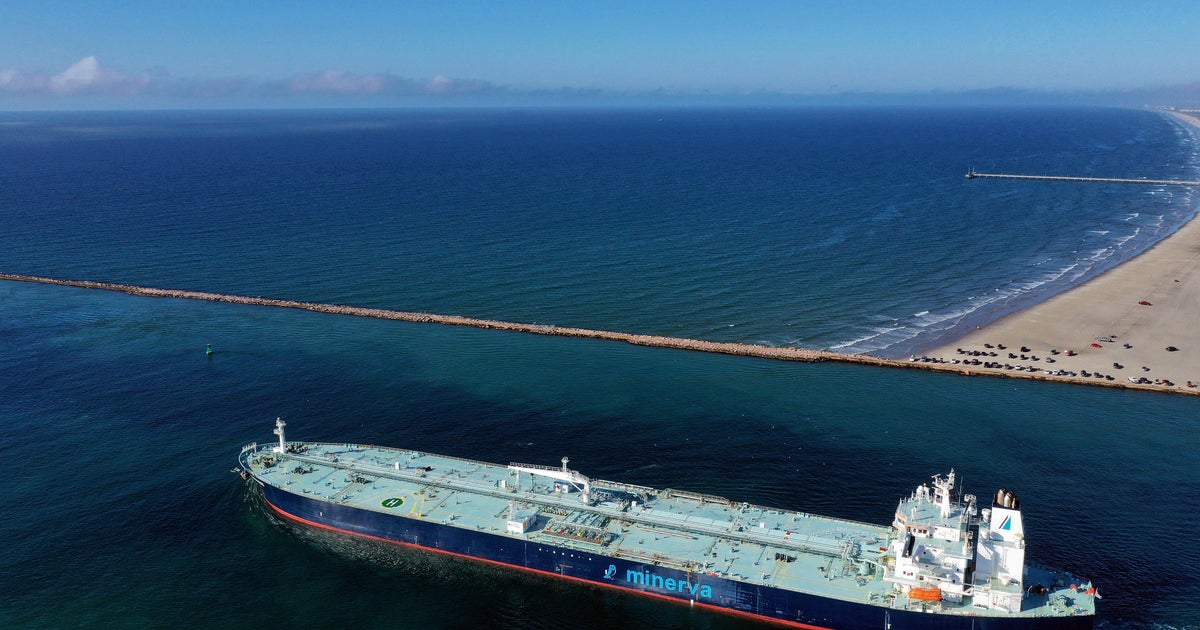
The U.S. Coast Guard and the FBI boarded a foreign-flagged oil tanker bound for Texas last month following reports that the ship's computer networks may have been compromised. A specialized team conducted the boarding while the vessel was at sea to examine both operational and information-technology systems. The Coast Guard stated that the team worked with the ship's crew and corporate operators to remove the identified threat before the vessel reached port.
The investigation followed reports of a cyberattack that surfaced after the tanker passed through the Strait of Gibraltar. While the Coast Guard did not officially name the vessel, the vessel named in Iranian reports appears to be the VL Prosperity, a Liberian-flagged carrier capable of transporting approximately 2.3 million barrels of oil. Public tracking data confirmed the ship was heading toward Galveston, Texas, during the period in question.
On August 21, the boarding party—which included Coast Guard law enforcement, vessel inspectors, the Coast Guard Cyber Protection Team, and FBI Cyber Action Team operators—accessed the ship. According to the Coast Guard, there were no reports of operational disruptions, vessel instability, physical danger to the crew, or environmental impacts resulting from the incident. The U.S. government has not yet attributed the potential breach to a specific entity or state actor.
Iranian state media, including the Mehr News Agency, reported on August 20 that the vessel had been attacked on August 7 while sailing from Egypt, allegedly losing communications for 30 hours. Mehr, citing an unnamed crew member, claimed that attackers gained access to engine-room systems, manipulated engine speeds, and interfered with fuel and lubricating-oil systems. Four days later, the Tasnim News Agency in Iran published an article regarding the vulnerability of American vessels. U.S. officials confirmed the network was compromised but did not verify the specific claims regarding control over propulsion or navigation systems.
A person working in the maritime sector or living near a major port like Galveston would notice the potential for physical danger if a vessel's movements were remotely manipulated. If a hostile actor successfully hijacks these systems, they could theoretically use the ship's machinery or physical mass as a weapon against port infrastructure. This event shows how federal agencies like the Coast Guard and FBI respond to mid-voyage cyber threats.
The knock-on effects include increased scrutiny of the cybersecurity of the global fleet of interconnected tankers and the potential for heightened tensions in maritime corridors. While no physical damage occurred in this instance, the incident highlights the vulnerability of modern ships that rely on integrated IT and OT systems. What happens next involves ongoing analysis by U.S. cyber teams to determine the origin of the breach. No specific dates for the conclusion of the investigation or future regulatory changes for shipping companies have been reported.