The United States has completed the withdrawal of its last military forces from Iraq, ending a presence that began with the 2003 invasion. The departure occurs as the U.S. and Israel are at war with neighboring Iran. While Iraqi officials characterized the move as a restoration of national sovereignty, some former military leaders expressed concern regarding the regional security situation.
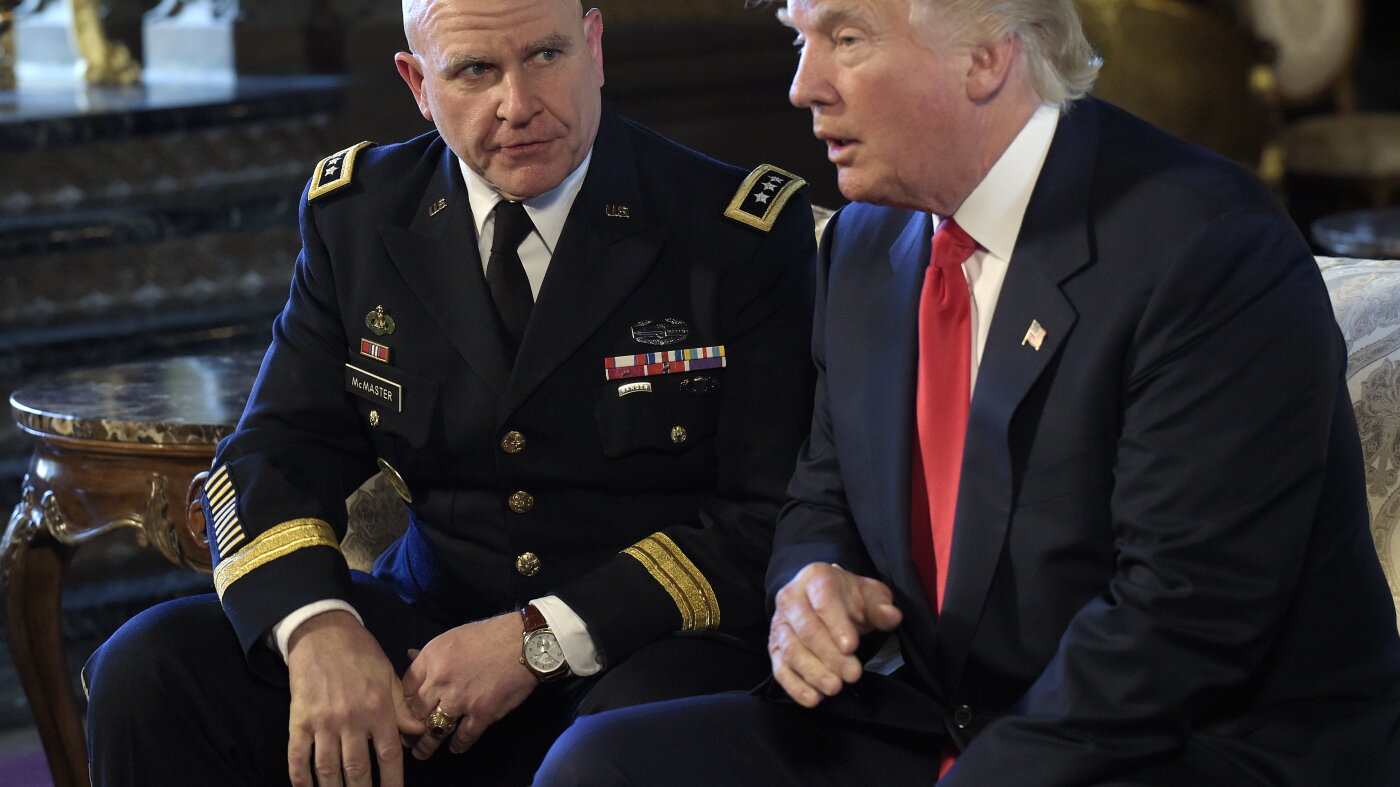
Retired Lt. Gen. H.R. McMaster, who served as National Security Advisor and commanded troops in Iraq, stated on Wednesday, Sept. 30, 2026, that the withdrawal is ill-timed. McMaster argued that the exit could embolden Iran and leave Iraq vulnerable to a resurgence of ISIS. He noted that it remains unclear if the militant group has been permanently defeated.
The U.S.-led invasion and subsequent two decades of conflict resulted in significant human costs. According to Iraq Body Count, a U.K.-based independent organization, at least 200,000 Iraqi civilians were killed during the period. Millions more were displaced. McMaster, who commanded the 3rd Armored Cavalry Regiment during a counterinsurgency campaign in Tal Afar in 2005, described the U.S. mission against al-Qaida as "righteous."
The withdrawal follows a period where a U.S. presence helped with intelligence gathering and support for Iraqi forces fighting ISIS. McMaster noted that this support was vital for monitoring ISIS activity. He also stated that Iranian-backed militias operating outside Baghdad's formal control remain a threat to Iraqi sovereignty.
The scale of the conflict's impact is measured in the hundreds of thousands of lives lost and the displacement of millions of people. The withdrawal occurs at a time when regional tensions are high. Observers are monitoring whether the Iraqi security forces can maintain control without the logistical and technical backing of the U.S. military.
The transition of security responsibilities to the Iraqi government will be tested by the ongoing presence of ISIS remnants and the political influence of neighboring Tehran. While the last troops left by Sept. 30, 2026, the withdrawal marks Iraq's first period without a U.S. military presence since 2003.