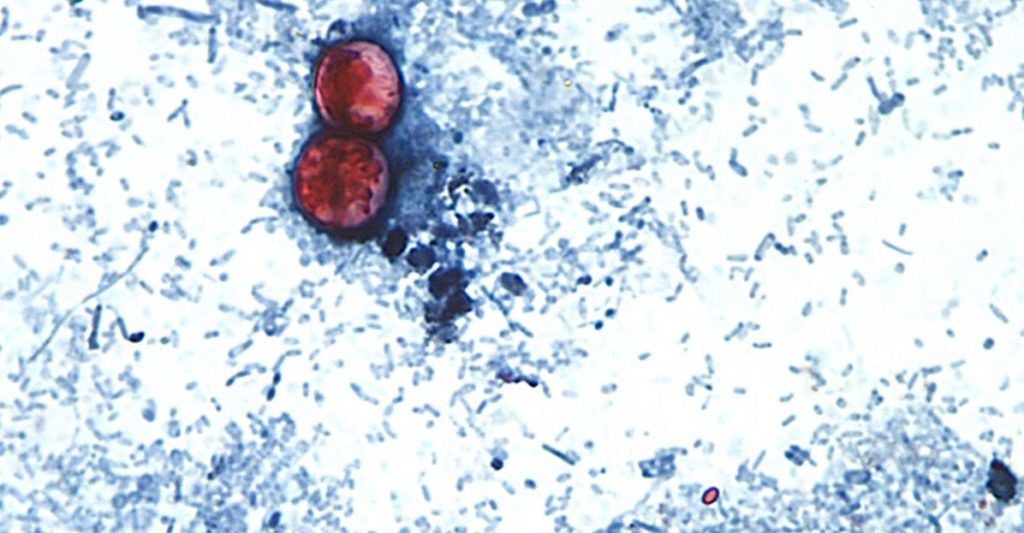
Scientific researchers and public health officials reported that the ongoing nationwide cyclospora outbreak is likely linked to sewage contamination in the U.S. food supply. The single-celled protozoan parasite, which is found only in humans, causes severe diarrhea and is spread through oocysts excreted in human waste. When these oocysts enter sewage systems and survive treatment, they can contaminate irrigation water used for crops.
Cyclospora oocysts are difficult to detect in water and food, and standard sewage treatment does not always eliminate them. Research by Michigan State University microbiologist Joan Rose found that while secondary treatment processes can remove 97% to 98% of similar parasites like cryptosporidium and giardia, some oocysts remain intact. Chlorination, a common disinfection method, is known to be ineffective against these specific protozoa, though ultraviolet light has shown more success in inactivation.
The current outbreak has sickened more than 22,000 people across the United States and has been linked to two deaths in Michigan. This represents the largest cyclospora outbreak recorded in U.S. history. Public health officials noted that the parasite's life cycle can be accelerated by warm temperatures, potentially increasing the risk of infection during periods of extreme heat.
For an individual, this means the risk of contracting a severe gastrointestinal illness may be influenced by local water reuse policies and sewage treatment standards. Residents in 15 states currently have no specific regulations or only non-binding guidelines regarding the use of treated sewage for irrigation. A person living in these areas would notice the impact primarily through health department warnings or potential changes in grocery availability if specific produce is recalled or linked to local outbreaks.
Knock-on effects include increased pressure on the food safety industry to adopt more expensive treatment technologies, such as ultraviolet light filtration, as standard chlorination fails to kill the parasite. The situation also sets a precedent for how wastewater surveillance—similar to that used during the COVID-19 pandemic—could be deployed to track foodborne pathogens. Currently, Michigan State University researchers are developing more accurate detection methods. Future policy decisions regarding water reuse during droughts may be affected by these findings as officials balance water scarcity with pathogen risks. No specific deadlines for new federal regulations were reported.