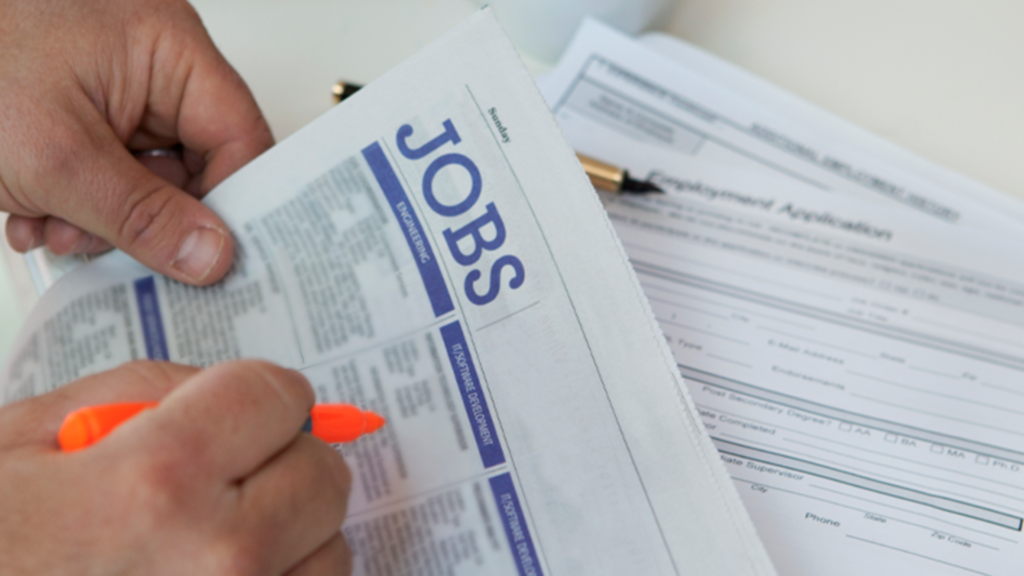
New labor data released Friday showed the U.S. economy lost 23,000 jobs in July, a result that contrasted with economist predictions of modest growth. The unemployment rate decreased from 4.2% to 4.1%, which analysts attributed to fewer people actively seeking employment. Additionally, the Department of Labor revised job creation figures for May and June downward by a combined 103,000 positions.
The July report indicated job losses across several sectors, including hospitality, education, retail, and finance. Heather Long, chief economist at Navy Federal Credit Union, noted that the decline in hospitality occurred despite the U.S. hosting the World Cup through July. Long attributed the hospitality losses to an affordability crisis affecting family spending and labor supply challenges.
While overall employment fell, some sectors showed growth. Health care continued a two-year trend of expansion, while construction and manufacturing saw modest gains. Long linked the construction growth to the development of data centers for artificial intelligence. However, wage growth reached its lowest level in five years at 3.2%, a rate Long stated is being offset by inflation.
For the average household, the scale of the slowdown is reflected in a 3.2% wage growth rate, which represents the weakest increase in five years. This change means that despite pay raises, many workers will notice their paychecks do not go as far due to the impact of inflation. Additionally, labor force participation for people aged 55 and older and young people has declined, with the overall participation rate reaching its lowest point in five years.
The data suggests knock-on effects for immigration policy and the broader economy. Long reported that White House immigration policies have contributed to a decline in foreign-born workers, specifically impacting the labor supply in the hospitality sector. While "prime-age" workers between 25 and 54 saw a slight rebound in participation, the overall revisions to May and June data indicate the labor market was weaker in the late spring than previously understood. No specific upcoming votes or court dates related to these findings were reported.
What happens next: The report has shifted expectations on Wall Street and in Washington regarding the economy's strength. While specific future deadlines were not provided, the data will likely influence ongoing discussions regarding federal labor and immigration policies. The next set of monthly labor data will determine if the July contraction represents a single-month event or a sustained trend in the U.S. job market.