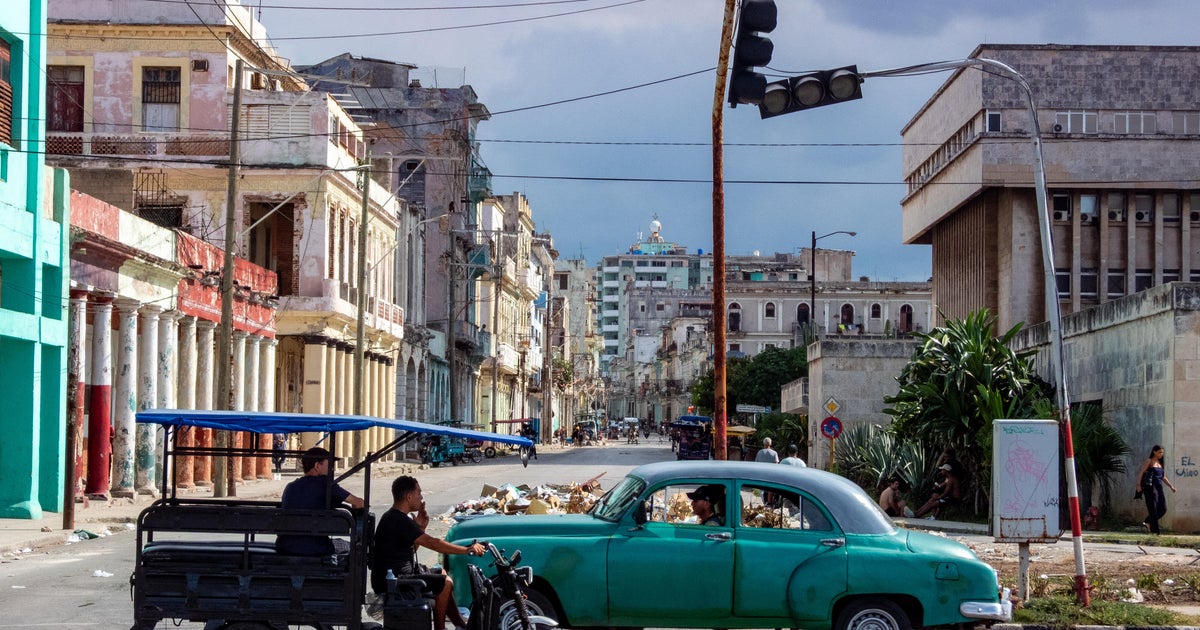
Residents of Cuba are experiencing widespread electrical blackouts and limited access to medical supplies as the U.S. government maintains an embargo and sanctions targeting the country’s government. Secretary of State Marco Rubio stated that the economic campaign is designed to ensure the Cuban government feels there are "no escape valves."
The U.S. embargo on oil imports has impacted Cuba’s electrical grid, resulting in many areas, including Havana, receiving only a few hours of electricity per day. This energy shortage, combined with aging infrastructure, has contributed to a sharp increase in the cost of basic goods.
In the healthcare sector, doctors in the public health system report they are unable to obtain critical medications for pediatric patients. Some residents have turned to community-run pharmacies for donated medicine or purchased supplies from street vendors after official prescriptions became unavailable or infrequent.
The Trump administration recently increased economic pressure by imposing sanctions on Cuba’s state-run bank, alleging the institution has ties to Iran. Cuba’s foreign minister denied the allegation, describing the bank as "absolutely legitimate" and characterizing the sanctions as a form of collective punishment.
The day-to-day impact for residents includes waiting hours in lines to collect government wages or purchase food, with some individuals reporting they go hungry due to the lack of funds. In the medical field, patients who previously received monthly prescriptions now report receiving them once every three months, or not at all, forcing a reliance on black-market vendors for life-saving drugs. The lack of reliable electricity further complicates daily life, as many households are left without power for the majority of the day.
The ongoing sanctions have also affected the banking sector, complicating how the state-run bank operates internationally and potentially limiting the government's ability to fund public services. While the Cuban government has introduced economic reforms to expand the private sector, leaders have stated that political reforms are not expected. Diplomatic negotiations between the U.S. and Cuba are currently at a standstill, with no specific dates reported for future talks or changes to the embargo.