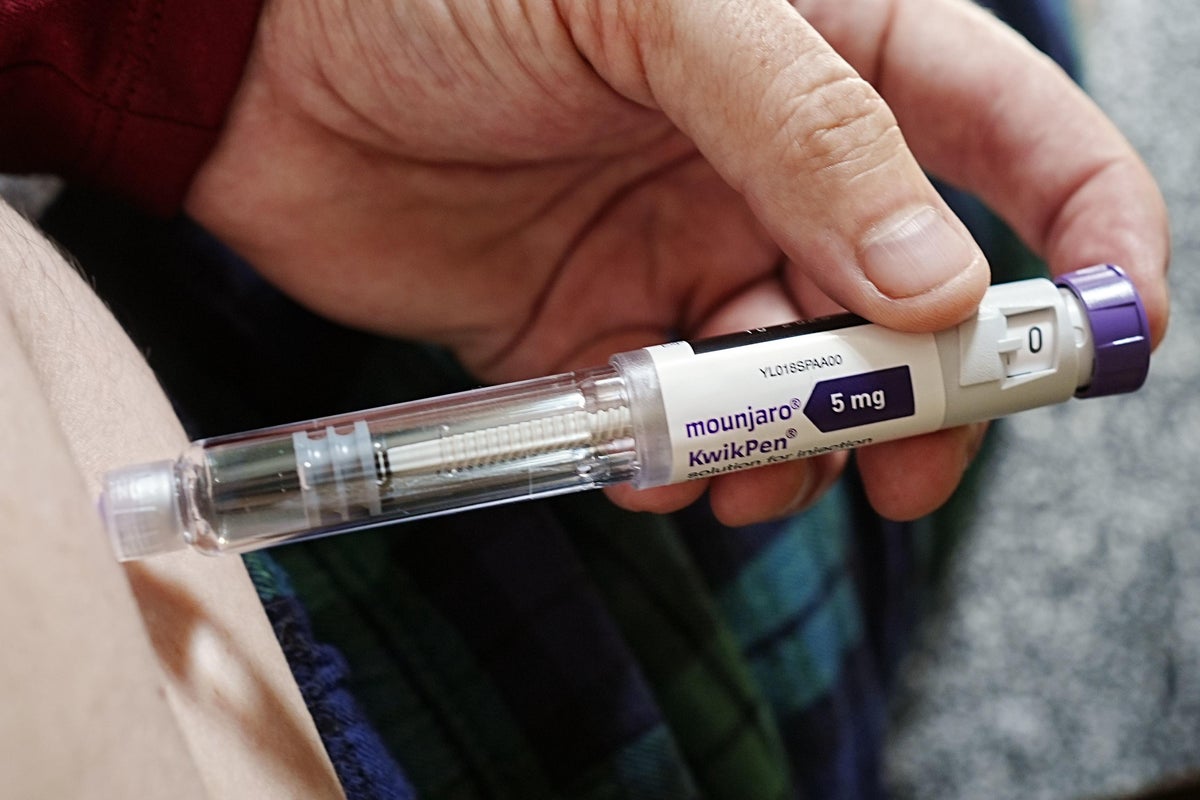
Several major U.S. employers have reportedly begun limiting or removing insurance coverage for GLP-1 medications, such as Ozempic and Mounjaro, when prescribed for weight loss. Companies including PepsiCo, Cigna, and Starbucks have adjusted their health plans as these drugs are identified as a primary factor in projected increases for employer-sponsored health insurance.
The shift comes as an estimated 30 million Americans now use GLP-1 medications, according to reports. While two-thirds of U.S. companies currently cover these drugs for weight loss, a May survey by the Business Group on Health indicated that 10 percent of employers plan to eliminate that coverage next year. A separate survey from insurance firm Marsh identified GLP-1s as a leading driver behind an expected record increase in corporate healthcare costs.
PepsiCo notified employees that it would limit coverage for weight-loss medications while maintaining coverage for those with diabetes. In a letter shared on Wednesday, September 16, 2026, the company stated that these prescriptions had become one of its fastest-growing costs and that the adjustment was necessary to provide a "sustainable" healthcare program. Cigna and Starbucks have also stopped coverage for weight-loss applications, though Cigna stated it remains committed to other weight management resources.
In contrast, Bank of America Chief Executive Brian Moynihan told CNBC in August 2026 that the company views the drugs as a "worthwhile investment" despite the expense. Moynihan reported that the company spends approximately $250 million annually on GLP-1s, accounting for 13 percent of its total healthcare spending, up from nearly zero four or five years ago. Some research suggests the medications may lead to fewer sick days for workers, though studies regarding long-term life expectancy benefits remain preliminary.
The scale of the financial impact is significant for both households and businesses. At Bank of America alone, the $250 million annual spend represents 13 percent of its healthcare spending, illustrating why other firms like PepsiCo are opting to restrict the benefit.
The broader effect of these decisions sets a precedent for how private insurance handles high-cost medications in the future. As employers weigh the "impact on employees" and potential reduction in sick days against "sustainable" benefit packages, other sectors may follow suit. Decisions regarding 2027 benefit enrollment periods would typically occur in late 2026.