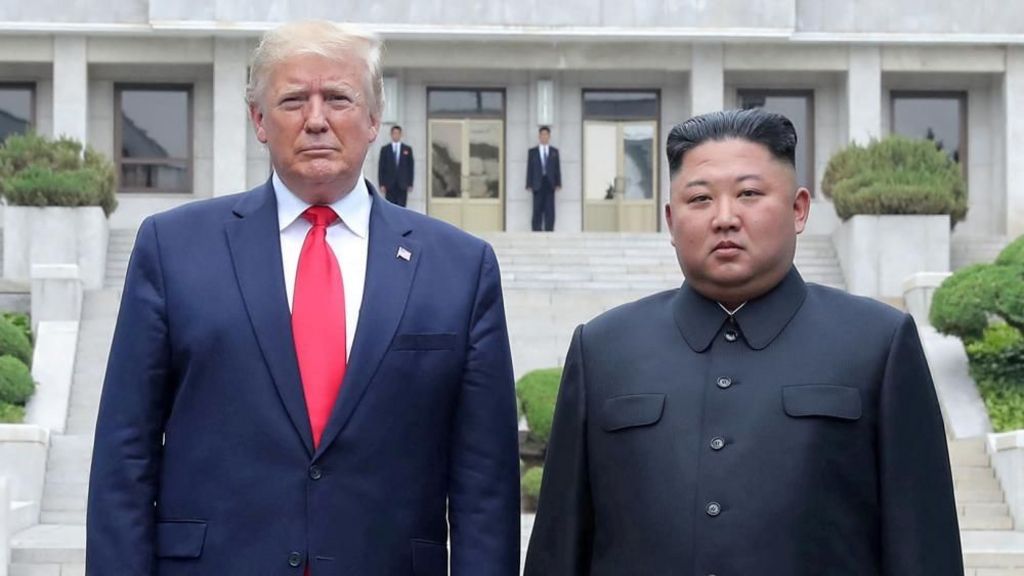
Joint military exercises between the United States and South Korea, known as Ulchi Freedom Shield, are scheduled to end prematurely on Friday. The decision follows an order from U.S. President Donald Trump to the Pentagon to substantially reduce the drills, which he characterized as hostile toward North Korea and a financial burden on the U.S.
The exercises involved 18,000 South Korean troops and personnel from 11 allied nations. The program is being halted with only half of its scheduled activities completed. South Korean Foreign Minister Cho Hyun stated that while the government is presenting the decision as a mutual agreement, officials were not notified of the intent to scale down the drills in advance.
Tensions in the region remain elevated, as North Korea launched ballistic missiles toward Japan days before the exercises began and conducted further launches on Thursday. North Korean official Kim Yo Jong, sister of leader Kim Jong Un, dismissed the reduction of drills as insignificant, stating the exercises remain hostile in nature. She also disputed President Trump's claim of recent contact with Kim Jong Un, stating she was unaware of any such communication.
Individual South Koreans and regional allies like Japan and Taiwan may notice a change in the scale of visible military deterrence in the Pacific. Domestically, South Korean leadership faces internal pressure from proponents of independent nuclear deterrence, such as Cheong Seong-chang of the Sejong Institute, who argues the country must take steps toward its own nuclear capabilities if U.S. support fluctuates. President Lee Jae Myung has responded by pledging to increase defense spending, signaling a possible shift in how the nation funds and manages its own security infrastructure.
The decision sets a precedent for linking regional security exercises to broader trade and geopolitical disputes. President Trump indicated dissatisfaction with Seoul's trade practices and its refusal to participate in military actions regarding Iran. This suggests that future security arrangements may be contingent on economic concessions or participation in unrelated conflicts. Observers will look to the end of the year for a potential meeting between Trump and Kim Jong Un, though North Korea has maintained it will not abandon its nuclear program, which is now codified in its constitution.
The Pentagon has not yet detailed the specific logistics of the troop reduction beyond the early termination of the current exercise. While President Trump has stated his intent to meet with Kim Jong Un later this year, no specific date or location has been confirmed. South Korea is expected to continue its stated path of increasing independent defense spending as these changes take effect.