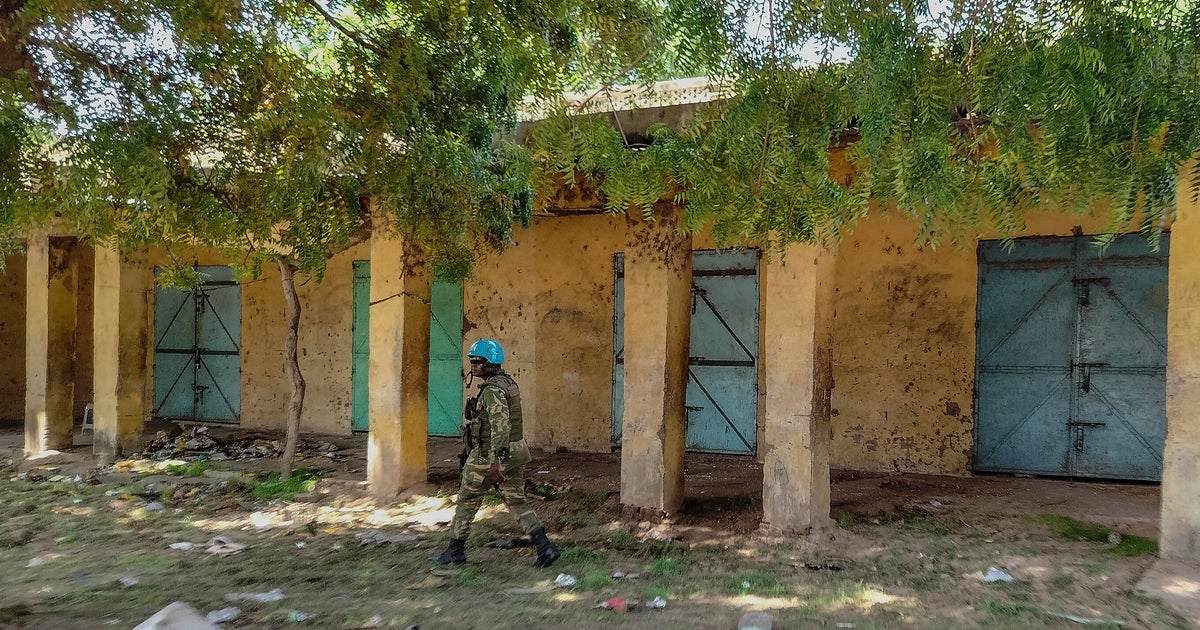
The Trump administration deported more than 100 individuals from countries including Afghanistan, Cuba, and Nicaragua to eight African nations over a 10-day period. According to internal government documents obtained by CBS News, the deportees were sent to Burundi, Cameroon, the Central African Republic, Equatorial Guinea, Eswatini, Liberia, Rwanda, and Sierra Leone. None of the individuals removed from the U.S. were citizens of the African countries where they were dropped off.
These actions are part of an expanded "third country" deportation campaign, which uses international agreements to relocate deportees to nations where they may have no personal ties. While more than 30 countries globally have such agreements with the U.S., the administration has recently brokered deals with several African nations. The documents show that in addition to citizens from Latin America and Afghanistan, the U.S. also deported individuals from Iran, Nepal, Turkey, and Venezuela, as well as African nationals who were not returned to their home countries.
Some deportees sent to Africa had criminal records in the U.S., including those sent to Eswatini and South Sudan for violent crimes. However, the reports indicate many others had no criminal history beyond immigration violations. The Department of Homeland Security (DHS) stated that if individuals refuse to return to their home countries during court proceedings, the law requires the government to find a "safe and secure nation" for them. DHS added that those who choose to return home are offered a free flight and a $3,000 payment.
For affected individuals, this change shifts the outcome of immigration court from a choice between staying in the U.S. or returning home to a possibility of being sent to a region where they have no family or language ties. A person who entered the U.S. to join family, such as the Afghan man Khalil mentioned in legal documents, could find themselves in a conflict zone in Africa despite a judge ruling they cannot be sent back to their homeland. Families of deportees may also face financial or safety risks if the deportee is placed in a country with high levels of violence or instability.
The use of these agreements sets a precedent for how the U.S. handles individuals with limited legal protections, potentially bypassing traditional asylum frameworks. While the DHS maintains the policy is a lawful response to those who refuse to return home, legal advocates like Alma David argue it challenges the global refugee protection system. The full scale of these secret agreements is not yet known, nor is the total number of individuals slated for future third-country flights. Legal challenges to these deportations continue, though no specific upcoming court dates for the broader policy were reported.