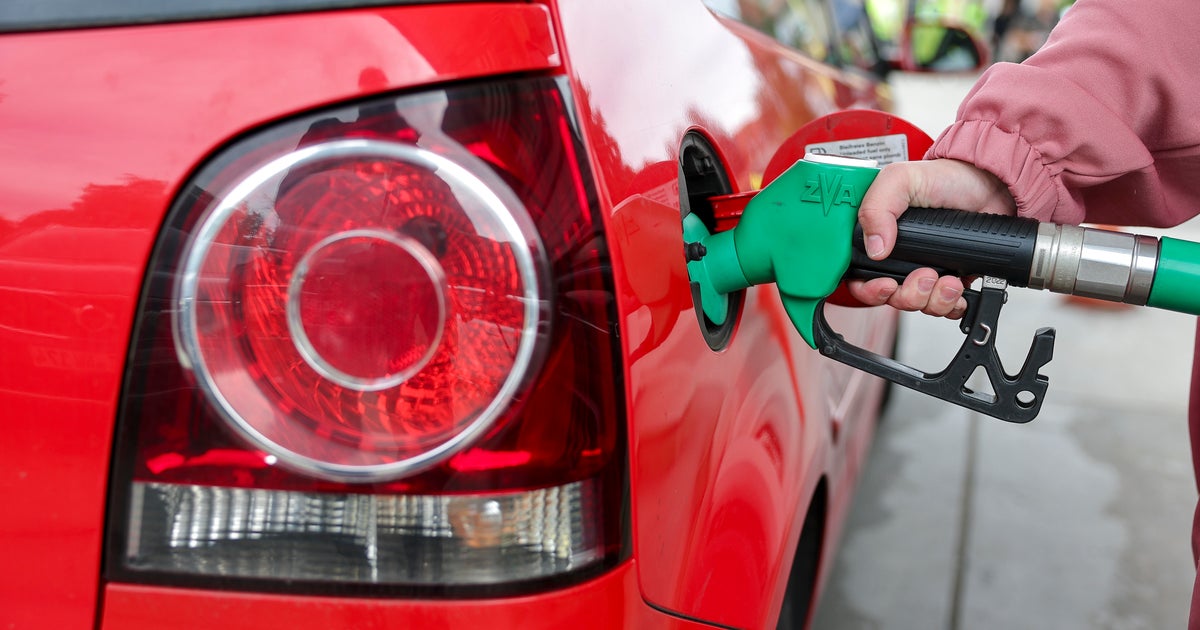
National average gasoline prices reached $4.14 per gallon on September 3, 2026, marking the first time prices have exceeded $4 on a Labor Day weekend. Motor club AAA and energy analysts attribute the elevated costs to geopolitical conflict in the Strait of Hormuz, which has disrupted global oil supplies and kept crude oil trading around $90 to $95 per barrel.
The price surge began following the initiation of U.S.-Israeli military actions in Iran on February 28, 2026. At that time, the national average was approximately $2.93 to $3.00 per gallon. The subsequent closure of the Strait of Hormuz, a waterway through which one-fifth of the world's oil supply flows, led to a sharp increase in energy costs. Hostilities have continued with recent exchanges of strikes between U.S. and Iranian forces, while diplomatic negotiations remain stalled.
Current data from AAA shows diesel prices averaging $5.78 a gallon, nearly reaching the record of $5.81 set in June 2022. Gasoline prices vary by region, ranging from $3.395 in Indiana to $5.690 in California. President Trump met with U.S. oil refiners on Tuesday to discuss increasing capacity and recently announced a deal with Venezuela to access its oil reserves, though energy experts told CBS News it could take years for those fields to impact domestic prices.
For the average consumer, these costs manifest as higher bills at the pump—adding roughly $16 to the cost of filling a 15-gallon tank compared to earlier this year—and increased prices for groceries and household goods. Industries including trucking, agriculture, and construction are facing higher operating expenses due to diesel costs. For example, Iowa farmers are reporting a 43.5% jump in diesel fuel costs along with rising fertilizer prices, while gig workers for companies like Uber are seeing earnings squeezed, prompting the company to offer fuel discounts through May 26, 2026.
Knock-on effects include increased shipping rates as distributors pass fuel costs to retailers, contributing to broader inflation. Analysts from GasBuddy and Rystad Energy note that while gasoline demand typically drops in the fall, prices are unlikely to decline significantly until shipping resumes in the Strait of Hormuz. What happens next depends on the duration of the blockade and military hostilities; energy experts caution that a return to pre-war price levels may be as far as a year away as global supply chains stabilize.