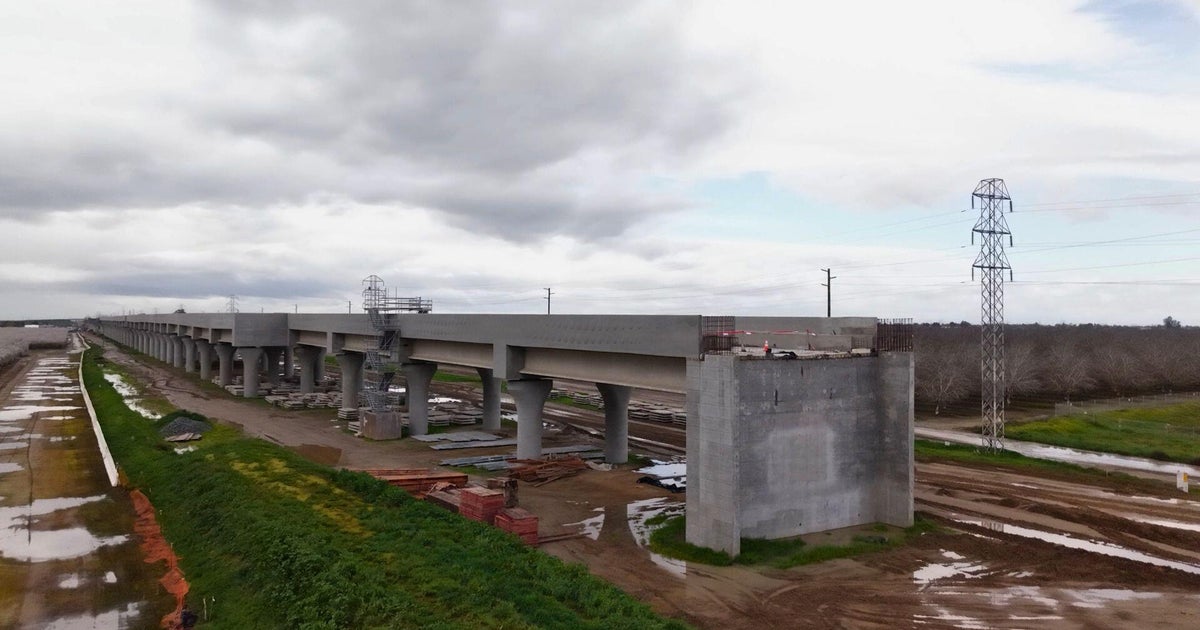
Efforts to establish high-speed rail in the United States currently face significant delays and rising costs across both public and private sectors. While more than 20 countries, including Morocco, Japan, and France, operate trains at speeds of 150 to 200 miles per hour, U.S. projects have struggled to move beyond the construction phase or meet original timelines. In California, a state-run project intended to link Los Angeles and San Francisco is under scrutiny for budget increases, while a private company, Brightline West, is beginning construction on a separate line between Southern California and Las Vegas.
The California project began in 2008 when voters approved a ballot measure for a rail line connecting the state’s two largest metropolitan areas in under three hours. At the time, the estimated cost was $33 billion with a completion date of 2020. However, the project has encountered obstacles including exacting environmental regulations, high labor and construction costs, and the need to negotiate approximately 3,000 land parcels for right-of-way access in the Central Valley. These factors have contributed to a revised plan that focuses on a shorter segment between Bakersfield and Merced.
State officials now estimate the total cost to connect Los Angeles and San Francisco at $126 billion, leaving a funding gap of roughly $90 billion. Anthony Williams, a member of the California High-Speed Rail Authority board, stated that while the full funds are not currently available, the authority has a plan to fill the gap through private investment and optimized costs. Meanwhile, Rep. Vince Fong (R-CA) has characterized the project as an example of government mismanagement, noting that no tracks have been laid despite years of spending. In 2025, President Trump canceled $4 billion in federal grants for the California project, citing cost overruns.
A typical household would notice the impact through the allocation of state and federal tax dollars toward these multi-billion-dollar gaps. If successful, commuters would see a transition from highway congestion to rail travel, which proponents like Lou Thompson, a former Amtrak official, say would reduce pollution and improve safety. However, the financial viability of private rail remains a concern; Brightline's debt was downgraded to junk status following lower-than-expected ridership on its Florida line, which has also reported more than 200 fatalities involving street-level track crossings since 2018.
The success or failure of these initiatives will set a precedent for future infrastructure policy in the U.S., determining whether high-speed rail is a viable alternative to the nation's car-centric culture and interstate highway system. The immediate next steps include the California authority's efforts to lure private investment and Brightline West's pursuit of a $6 billion federal loan. The Trump administration, through Secretary of Transportation Sean Duffy, has stated it supports the concept of high-speed rail generally, but remains critical of the specific management of the California state project. Project completion dates remain fluid, with 2029 and 2033 serving as the current targets for initial service.