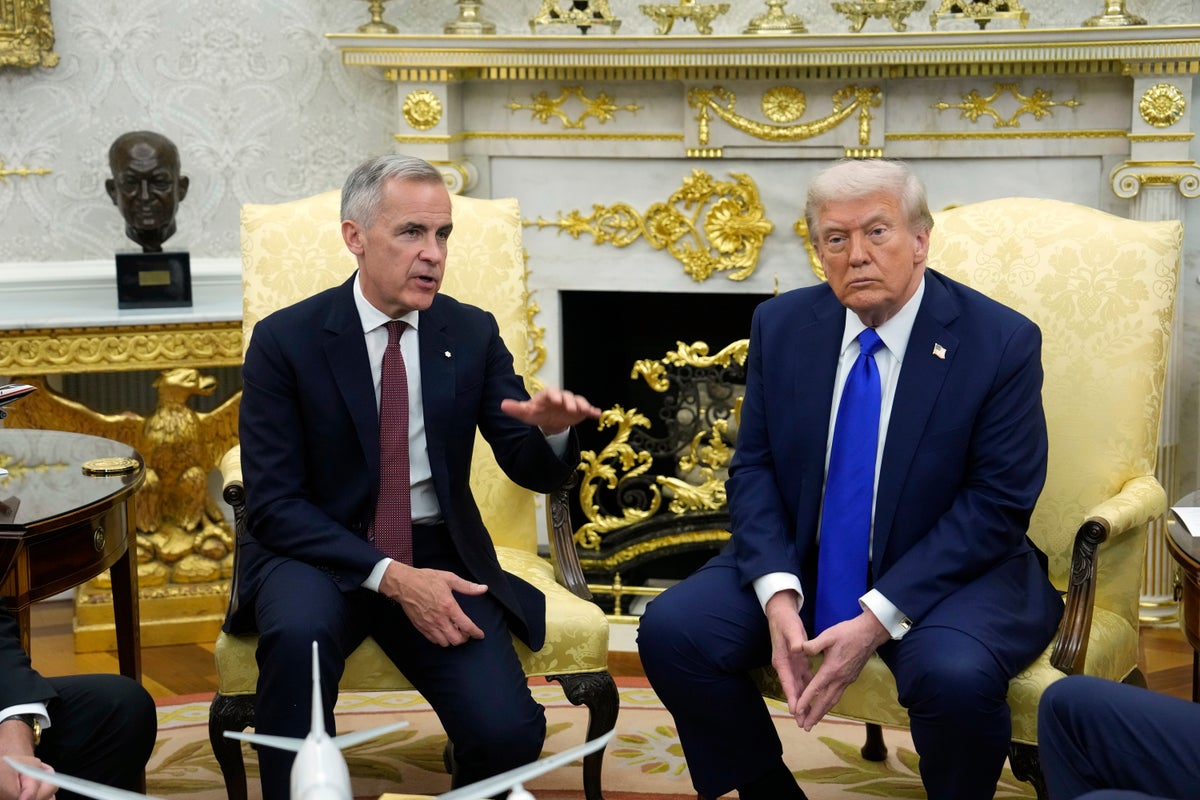
The United States implemented 50% import tariffs on $20 billion of Canadian goods early Saturday following the breakdown of trade negotiations. In response, Canadian Prime Minister Mark Carney announced that Canada will impose dollar-for-dollar retaliatory tariffs starting September 8. The move follows the collapse of talks intended to resolve friction between the two North American allies.
The U.S. duties, enacted by President Donald Trump, affect approximately 5% of Canada's annual exports to the U.S., covering a range of items including hockey sticks and medical tongue depressors. The administration cited the protection of American workers and supply chains as the basis for the measures. Canadian officials stated they were prepared to eliminate existing duties on motor vehicles and metals if the U.S. reduced its levies, but described the final American terms as unreasonable.
U.S. trade negotiator Jamieson Greer stated that the administration had offered cuts on lumber, steel, and automobiles, but characterized Canada's refusal as a rejection of a favorable deal. The U.S. invoked Section 338 of the Tariff Act of 1930 to implement the fees. This statute allows the president to levy taxes up to 50% on imports from countries deemed to be discriminating against U.S. commerce, a mechanism the administration turned to after the Supreme Court invalidated previous broad tariffs in February.
The scale of the impact includes approximately $2 billion in goods that cross the border every day, involving 330,000 daily crossings. With Canada's retaliatory measures set to begin the Tuesday after Labor Day, businesses on both sides of the border will likely experience immediate shifts in supply chain costs and competitiveness. Candace Laing, president of the Canadian Chamber of Commerce, characterized the duties as a significant blow to North American competitiveness that puts small-business investments and consumers at risk.
The escalation places the future of the United States-Mexico-Canada Agreement (USMCA) in uncertainty. While formal talks to renew the pact have begun between the U.S. and Mexico, equivalent discussions with Canada have not yet initiated. The use of Section 338—a Depression-era legal tool—sets a precedent for trade enforcement without requiring formal prior investigations. Canadian retaliatory tariffs are scheduled to take effect on September 8, 2026, while the U.S. has indicated it will continue with its own measures in response to any Canadian action.