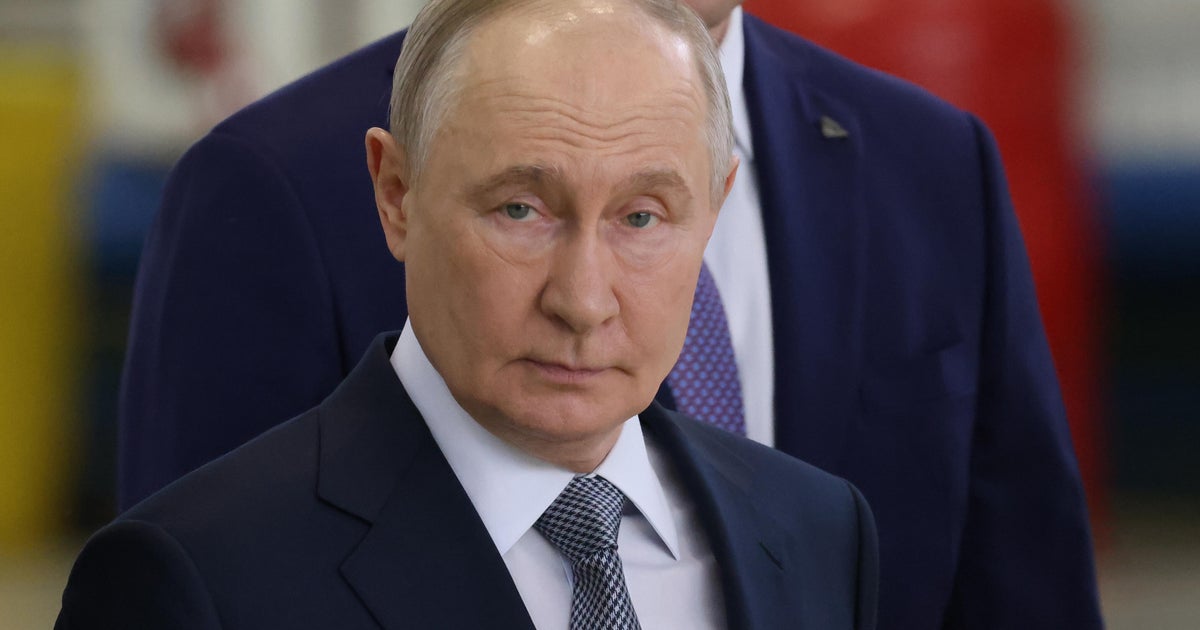
U.S. intelligence assessments indicate that Russian President Vladimir Putin may be increasingly willing to authorize provocative actions on NATO territory. According to U.S. officials briefed on the matter, these actions are intended to test the North Atlantic Treaty Organization (NATO) alliance and the Trump administration's commitment to collective defense. The CIA declined to comment on the assessment, and the Russian Embassy in Washington has not yet responded to requests for comment.
The assessments suggest a shift in the Russian president's risk calculus compared to several months ago. Officials stated the goal of such operations is likely to test the unity of the 32-country bloc rather than to start a conventional military conflict. Potential actions identified in the reports include hybrid operations, cyberattacks, and other deniable measures that stop short of full-scale war.
Intelligence officials cited recent events as evidence of this pattern, including the discovery earlier this week of an explosive-laden drone of suspected Russian origin at an airport in Leipzig, Germany. Other incidents mentioned include Russian drone incursions into Romania, a Russian missile crossing into Poland last month, and an increase in suspected sabotage and cyber operations throughout Europe. NATO Secretary General Mark Rutte previously stated in December that Moscow could be prepared to use military force against NATO within five years.
The scale of the conflict driving these tensions is significant; U.S. intelligence estimates Russia is losing approximately 30,000 troops per month in Ukraine, or between 5,000 and 7,000 per week. This equates to roughly 750 to 1,000 casualties every day. CIA Director John Ratcliffe noted that some Russian recruits survive only 20 to 30 minutes on the battlefield due to the use of AI-powered drones. These high attrition rates, which outpace Russian recruitment, may be influencing the Kremlin's decision to utilize lower-cost hybrid tactics elsewhere to pressure Western allies.
The situation places renewed focus on the U.S. commitment to Article 5, which has only been invoked once, following the September 11, 2001, attacks. President Trump has expressed varying views on the treaty, at one point questioning if allies would defend the U.S. and noting "numerous definitions" of the agreement, while stating at other times that the U.S. would protect NATO members. Future policy may be shaped by how the administration responds to non-conventional provocations that do not clearly trigger a military response. Currently, U.S. diplomatic efforts to end the war in Ukraine have stalled, and no specific dates for renewed negotiations or subsequent intelligence briefings have been reported.