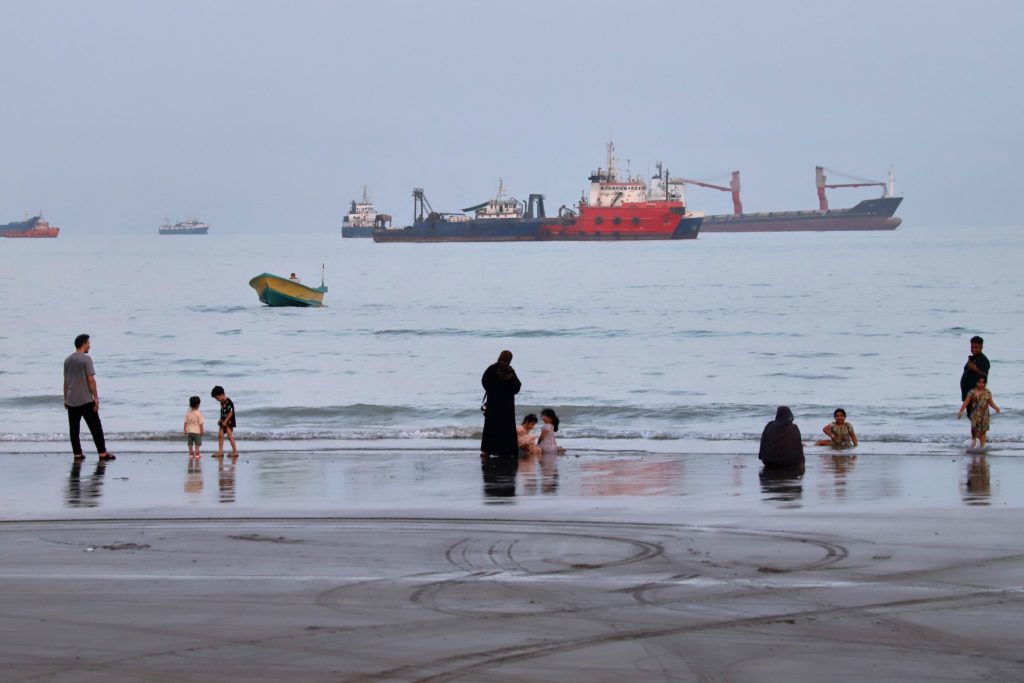
A 60-day window to reach a peace deal between the United States and Iran expired Monday, leading President Donald Trump to criticize U.S. allies and signal a shift toward economic and military pressure. During the deadline's expiration, the president proposed declaring the Strait of Hormuz a U.S. territory, asserting that the U.S. maintains total control over the waterway and is removing millions of barrels of oil per week.
The expiration follows a memorandum of understanding (MOU) signed in June that sought to end military operations and the U.S. naval blockade. According to Alan Eyre of the Middle East Institute, the agreement failed primarily due to disputes over Article 5, which concerned the administration of the Strait of Hormuz. Eyre stated that while the MOU suggested Iranian administration of traffic, the U.S. sought to move ships along the Omani border, a point of contention that stalled the process.
In response to the deadlock, President Trump threatened military action against Oman, which has served as a mediator in the negotiations. He also called for a reduction in military exercises with South Korea, citing their refusal to participate in the conflict. While the president maintains that Iran still desires a deal, he has continued a strategy involving economic sanctions, a naval blockade, and a renewed bombing campaign.
The conflict has resulted in significant economic and physical costs. According to Reuel Marc Gerecht of the Foundation for the Defense of Democracies, the U.S. has engaged in six months of hostilities, including economic squeezing and bombing campaigns. Eyre noted that the Iranian people are bearing the "preponderance" of the pain from sanctions, while the U.S. faces potential long-term costs if it remains unwilling to commit ground troops to secure the strait's littoral regions. The breakdown of the MOU means that the naval blockade and sanctions, which have already restricted the flow of millions of barrels of oil, will continue indefinitely.
The knock-on effects extend to U.S. diplomatic relations with allies like South Korea and mediators like Oman. The president’s call to scale back joint military exercises and his threats against mediators represent a shift in traditional security alliances. Future policy remains tied to whether the U.S. will lift sanctions or unblock assets, which Eyre suggests would require approximately $300 billion in reconstruction development to be taken seriously by Iranian leadership. Currently, no new negotiating deadlines have been set, and the U.S. Treasury and Navy must now determine the sustainability of a prolonged economic and kinetic campaign.