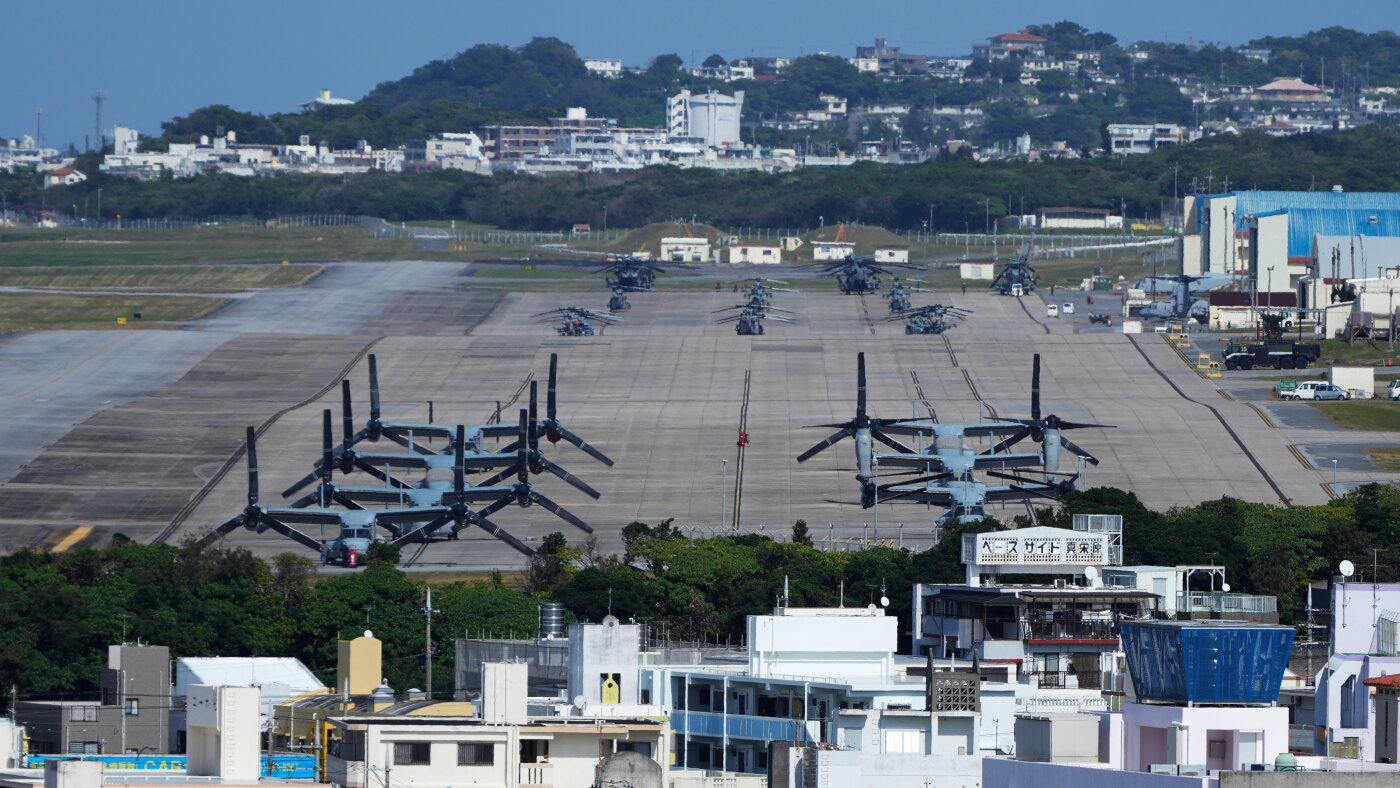
Japanese authorities arrested a U.S. Marine on Sunday in connection with the robbery and death of a woman in Okinawa. Police identified the suspect as 20-year-old Lance Corporal Devin Jacob Ballard, who is stationed at the Futenma Air Station. Officials allege Ballard killed 39-year-old Anna Yagi at a hotel in Naha, the capital of Okinawa prefecture, and took her wallet and backpack during the early hours of Saturday, October 3, 2026. According to police, Ballard has denied the allegations.
The arrest follows a police investigation into the discovery of Yagi's body in her hotel room. Kyodo News, citing police, reported that the victim appeared to have been strangled. Investigators reviewed security camera footage that reportedly showed a foreign man entering the hotel with the victim and later leaving alone with her belongings. Officers arrested Ballard after spotting a man matching the suspect's description walking in Naha's entertainment district late Saturday night.
The incident prompted formal protests from Japanese leadership. Prime Minister Sanae Takaichi called the crime "brutal and vicious" and requested maximum cooperation from U.S. authorities. Foreign Minister Toshimitsu Motegi summoned U.S. Ambassador George Glass to convey outrage, while Defense Minister Shinjiro Koizumi described the event as unacceptable. In response, the U.S. Marine Corps issued a statement confirming that the suspect is assigned to the III Marine Expeditionary Force and stated they are cooperating fully with the investigation. Ambassador Glass and the U.S. Embassy also offered condolences to the victim's family via social media.
The arrest carries weight for the regional security alliance between the U.S. and Japan at a time when both nations are increasing military cooperation to deter regional activity from China. The approximately 54,000 U.S. personnel in Japan operate under a bilateral security pact, but local opposition to these bases often complicates relations between the central government in Tokyo and the Okinawa administration. This specific case may impact the project to relocate the Futenma base to Henoko, a move that many Okinawans oppose in favor of moving the troops out of the prefecture entirely.
What happens next involves the continued Japanese police investigation and the potential for a trial in the Japanese legal system. While the U.S. Marine Corps is assisting, the suspect remains in Japanese custody. Historically, high-profile cases have resulted in severe penalties; for example, a former Marine was sentenced to life in prison in 2017 for a similar crime in Okinawa. The Japanese government has demanded tougher discipline and preventive measures to avoid future incidents, though no specific new policies or deadlines for such measures were announced following Sunday's arrest.