Confirmed measles cases in the United States have more than doubled in 2026 compared to the previous year, with Pennsylvania reporting the highest number of infections. Data from the U.S. Centers for Disease Control and Prevention (CDC) showed 4,580 cases nationwide as of October 22, 2026, compared to 2,289 total cases reported in 2025.
Health officials noted that the resurgence follows the disease's official elimination from the U.S. in 2000. While measles is reintroduced through international travel, the CDC reported that 96% of those infected in 2026 were either unvaccinated or had an unknown vaccination status. In response to rising counts, New York Governor Kathy Hochul declared a disaster emergency earlier in October.
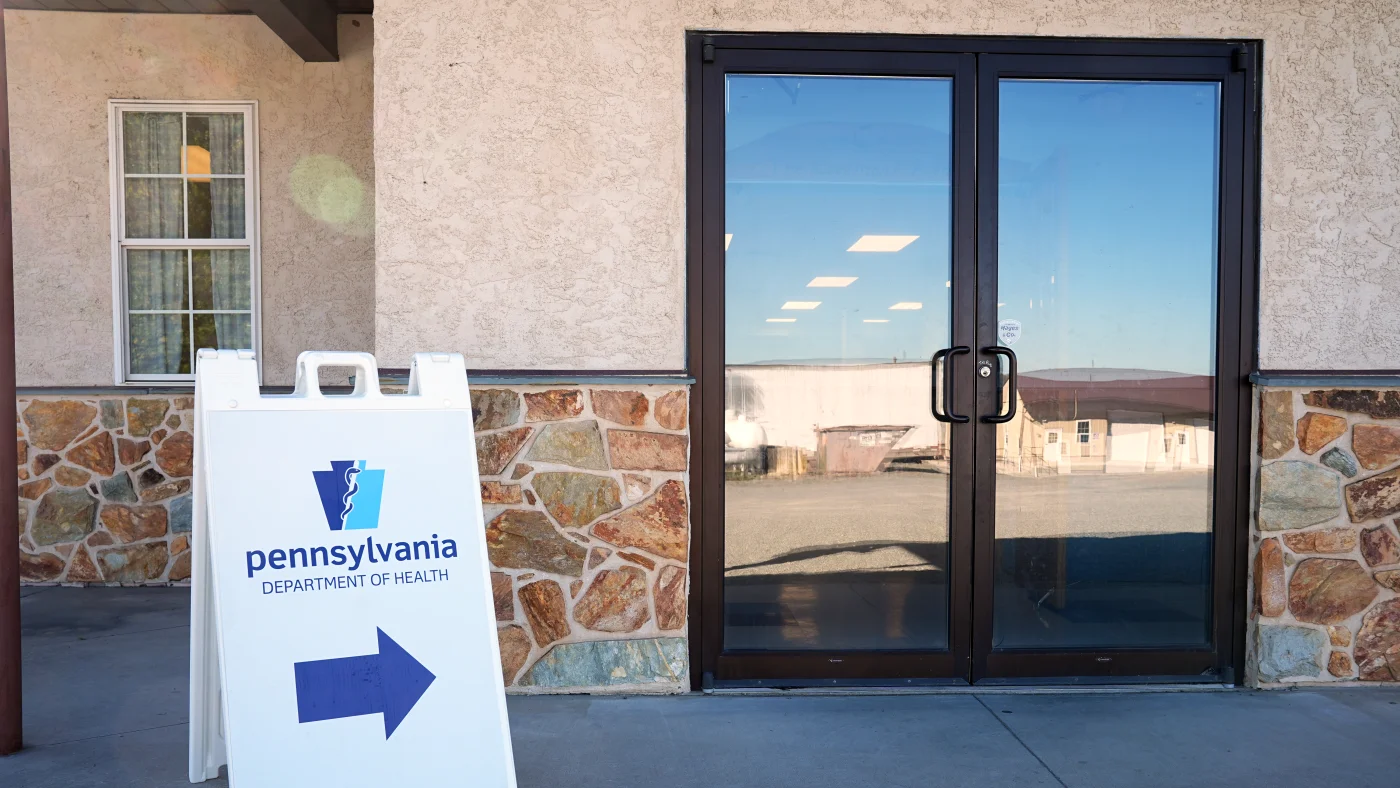
In Pennsylvania, the Department of Health confirmed 1,338 cases across 44 counties as of October 24, 2026. The outbreak has resulted in 250 hospitalizations and five deaths in the state, including three in Lancaster County. Pennsylvania Secretary of Health Dr. Debra Bogen met with healthcare providers in Mifflin County on October 22 to coordinate the public health response, noting that listening to local providers is "essential to refining" state efforts.
Other states have reported significant totals, including Utah with 700 cases and New York with over 160. South Carolina previously experienced an outbreak that ended in April 2026 after reaching 997 cases. The CDC states that two doses of the measles, mumps, and rubella (MMR) vaccine are 97% effective at preventing the disease, while one dose is approximately 93% effective.
Parents and residents in affected regions will notice an increased emphasis on immunization, as seen in Pennsylvania where 39,000 vaccines were administered in the first three weeks of October—well above the monthly average of 25,000. The concrete impact includes 250 hospitalizations and five reported deaths in Pennsylvania alone, with officials specifically noting high transmission rates in close-knit communities with lower-than-average immunization rates, such as Amish communities in Lancaster and Mifflin counties. These communities face direct health risks and potential complications such as pneumonia or permanent brain damage, which the CDC reports occurs in one out of every 1,000 infected children.
The knock-on effects include a strain on local healthcare systems and the potential for the World Health Organization to rescind the United States' status as a country that has eliminated measles. As the virus continues to spread among the 96% of cases involving unvaccinated individuals, state governments like New York's have moved to emergency disaster footing, which can alter health department priorities and resource allocation. While the South Carolina outbreak ended in April, the Pennsylvania Department of Health continues to monitor 21 new cases reported as recently as October 21. Residents in Utah have not seen a new diagnosis in three weeks as of October 20, but national monitoring by the CDC remains ongoing.