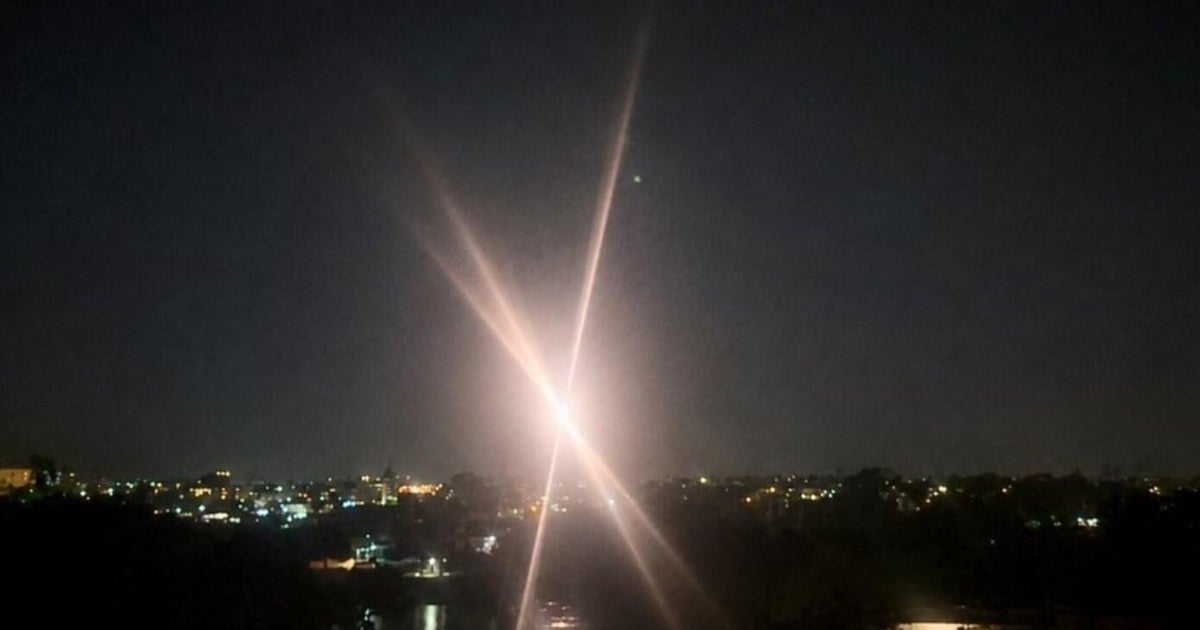
The U.S. military utilized a high-energy laser to shoot down three unmanned aircraft systems along the U.S.-Mexico border, the Pentagon announced Thursday. The Pentagon stated that the drones were allegedly operated by drug cartels and were downed late Tuesday night and early Wednesday morning. According to U.S. Northern Command (USNORTHCOM), the operation utilized an "Army Multipurpose High Energy Laser system."
The action follows previous drone-related activity in the region, including an incident in February where a military laser accidentally downed a U.S. Customs and Border Protection drone near Fort Hancock, Texas. Additionally, in February, the Federal Aviation Administration (FAA) briefly shut down commercial airspace near El Paso following an internal safety disagreement with the Pentagon regarding military drone tests that sources said involved a high-energy laser system.
The specific location of this week's downing was not disclosed, nor did officials identify the specific cartels believed to be operating the aircraft. USNORTHCOM categorized the drones as "hostile," stating they were in support of activities that posed a physical threat to U.S. military and Customs and Border Protection personnel. Maj. Gen. Curtis Taylor, commander of the southern border Joint Task Force, stated that cartel networks use these systems for surveillance and to facilitate human smuggling.
The scale of the reported threat involves three specific drones intercepted within a 24-hour window, though Transportation Secretary Sean Duffy noted in February that the FAA and Defense Department acted to address a cartel drone incursion and that the "threat has been normalized." While Austin Doctor, a director at the National Counterterrorism Innovation, Technology, and Education Center, noted that cartels have not yet used weaponized drones within U.S. borders, the military's use of lasers to intercept surveillance aircraft represents a concrete change in the technical engagement rules for personnel on the ground.
The ongoing use of this technology sets a precedent for how the Department of Defense manages airspace safety in coordination with the FAA, particularly after prior disputes over military tests near civilian airports. The long-term impact on human-smuggling and narcotics-trafficking routes remains to be seen as the military integrates these "layered countermeasures." Further details on the specific location or subsequent investigations into the downed craft have not been released due to operational security concerns. No specific dates for future tests or legislative hearings were reported.