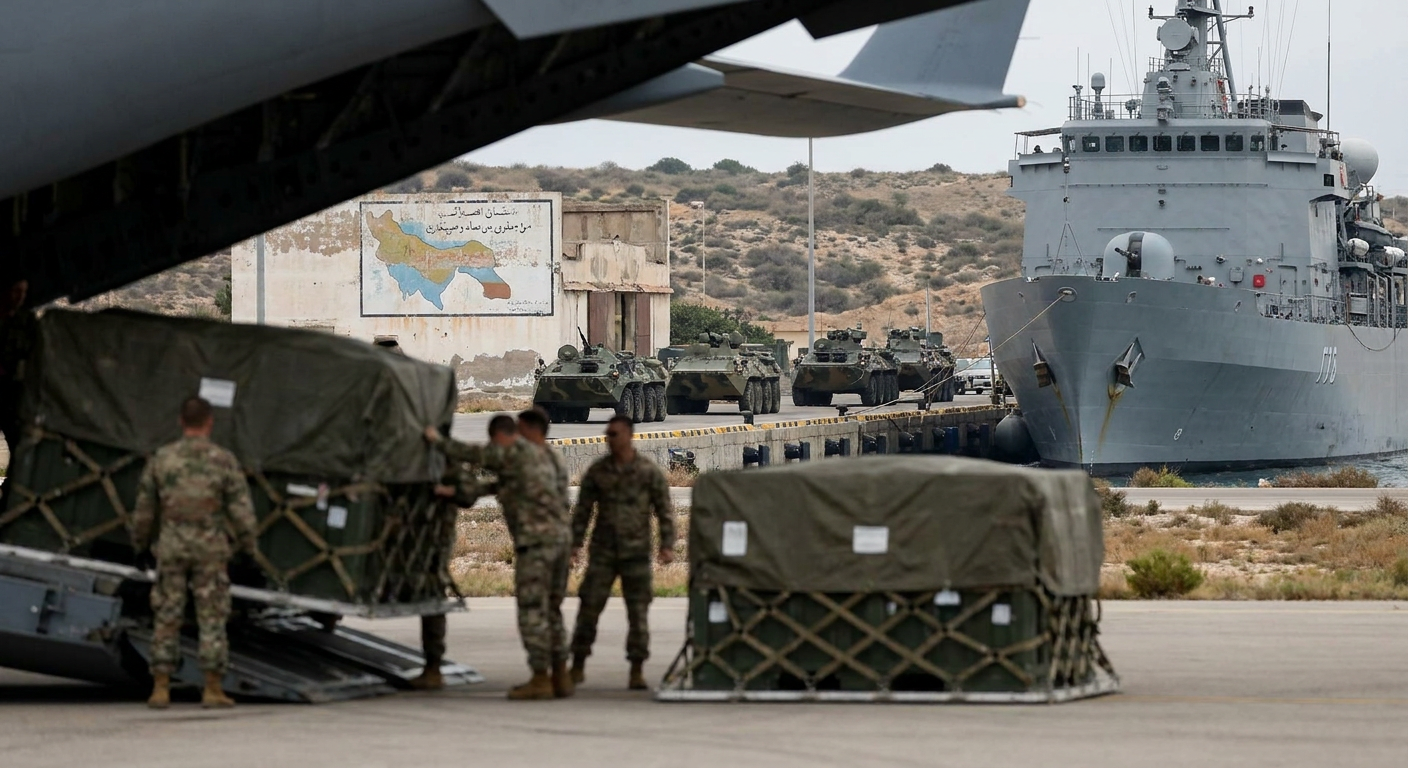
The United States government has redirected military and diplomatic resources away from Asia to support ongoing operations related to the conflict with Iran. This shift represents a change in geopolitical focus as the U.S. addresses the immediate demands of the war in the Middle East.
The realignment follows a period during which U.S. foreign policy had increasingly prioritized the Indo-Pacific region. The current conflict with Iran has required a reassessment of resource allocation to meet defense and strategic needs in that theater.
Specific details regarding the types of resources moved—such as naval vessels, aircraft, or personnel—were not included in the initial reporting. The names of specific military units or the exact number of assets involved in the transition were also not reported.
For regional partners in Asia, this movement of resources may change the frequency of joint military exercises and the visible presence of U.S. security guarantees. Small-business owners near domestic bases and international ports may notice changes in economic activity if local troop populations or vessel traffic are reduced. The scale of the financial cost of this pivot, or the exact impact on the federal budget in terms of dollars per household, was not reported by the source.
The knock-on effects could influence future policy decisions regarding regional security pacts and the long-term balance of power in the Indo-Pacific. The shift establishes a precedent for how the U.S. manages competing priorities between different theaters of conflict. The source did not report specific deadlines or dates for when these resource shifts will be completed or if they are permanent. What happens next remains dependent on the duration and intensity of the war with Iran.