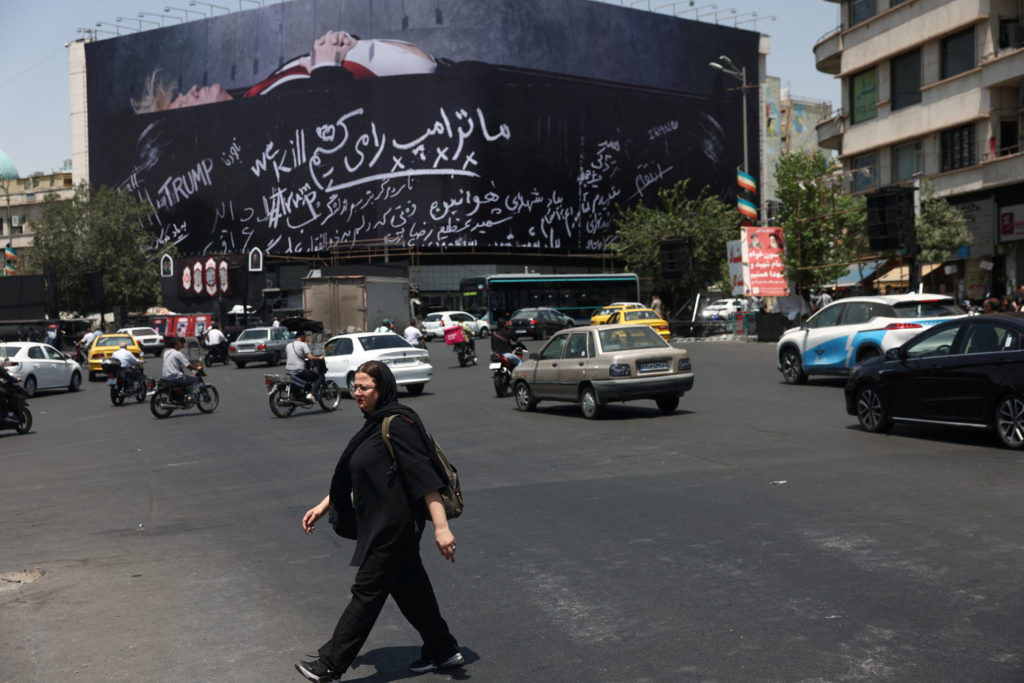
The United States military reimposed a naval blockade on Iran and increased airstrikes on Wednesday following Iranian attacks on shipping in the Strait of Hormuz. U.S. Central Command reported striking dozens of targets overnight and throughout the day, including defense and missile sites on Greater Tunb Island and an Iranian army barracks in Sistan and Baluchestan province. Central Command confirmed that U.S. forces intercepted and redirected two commercial vessels attempting to bypass the blockade within 17 hours of its implementation.
Iranian officials reported that the strikes resulted in the deaths of at least seven soldiers and injuries to more than 260 people across the country. Iranian government spokesperson Fatemeh Mohajerani stated that over 30 people have died in recent days due to the escalation. In response to the blockade, the Iranian Revolutionary Guard issued a statement threatening to halt all energy exports from the Middle East, asserting that oil and gas exports would either continue for all regional nations or be blocked for everyone.
The escalation follows the collapse of an interim deal signed last month that had briefly paused hostilities. During the negotiations, shipping had resumed via a U.S.-monitored route near Oman, but recent Iranian attacks on those vessels led to the current U.S. response. President Donald Trump stated in a televised interview that strikes would continue and could expand to infrastructure such as bridges and power plants unless negotiations resume. Iran’s ambassador to the United Nations, Amir Saeid Iravani, characterized the United States as the aggressor in a formal communication to the U.N. leadership.