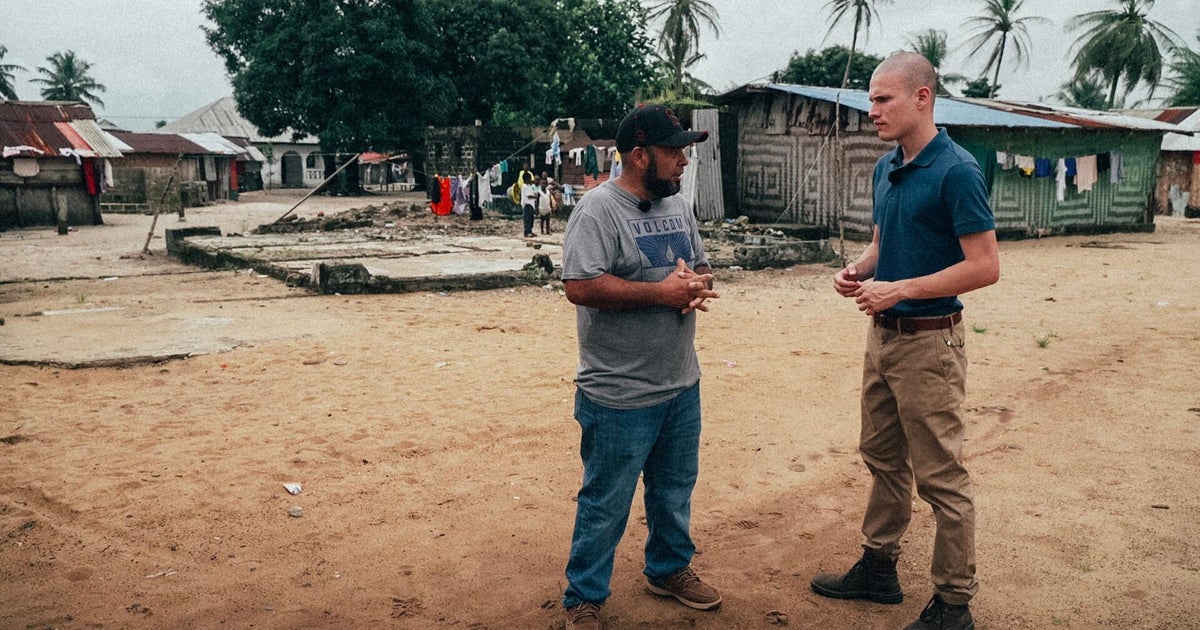
United States immigration officials deported a group of Latin American and African nationals to Liberia as part of a policy to send certain deportees to third countries where they lack ties. The group, which arrived in West Africa last month, includes individuals from Brazil, Colombia, Guatemala, Honduras, and Venezuela, as well as Cameroon and Eritrea. None of the individuals are citizens of Liberia.
The removals follow a policy by the Trump administration to target individuals for third-country deportation who lack permanent legal status but have obtained court orders barring their return to their home countries. These protections are typically granted by immigration judges when there is a documented risk of persecution or torture in the person's country of origin. According to U.S. Immigration and Customs Enforcement (ICE), these individuals may still be removed to a different country that agrees to accept them.
The deportees reported that they were not notified they would be sent to Liberia or given an opportunity to challenge the destination. One Brazilian national, Paola Ferreira Dos Santos, stated she only learned her location upon landing in Monrovia on Aug. 20. While administration officials have stated the focus of deportation operations is on individuals with significant criminal records, a review of the names in this group found that the majority had no criminal charges or convictions beyond immigration violations.
The scale of this specific program involves an agreement with the Liberian government to accept up to 1,200 deportees who are not Liberian nationals. As of the first flight on Aug. 20, 15 non-Liberians have been relocated under this arrangement. Liberia is one of more than 30 nations that have reached similar agreements with the U.S. Other participating countries include the Central African Republic and South Sudan.
The impact for those deported involves a transition to a country where they lack work visas and cultural ties. In Liberia, the International Organization for Migration, a United Nations agency, is providing basic necessities to the deportees, who are housed in a hotel. Although they are not being detained, they reported being advised to stay near the hotel for safety. The DHS has noted that those in the U.S. illegally may also opt for self-deportation, which includes a $3,000 stipend. It is currently unclear if any of the deportees will successfully claim asylum in Liberia or if they will attempt to move to other countries.