A border crossing in Douglas, Arizona, reopened to Mexican cattle on Monday as part of a federal effort to address record-high beef prices. The U.S. Department of Agriculture (USDA) stated that concerns regarding the New World screwworm, a parasite that infects livestock, have decreased enough to permit movement from the Mexican state of Sonora. Officials indicated they intend to eventually reopen additional crossings in Texas and New Mexico.
The reopening follows a May 2025 decision by the Trump administration to halt cattle imports to prevent the spread of screwworm larvae. While the White House previously described the closure as essential for animal health, the restriction contributed to a domestic cattle shortage. The U.S. cattle herd reached a 75-year low of 86.2 million head on January 1, driven by multi-year droughts and long-term low returns for ranchers.
To further address costs, the administration announced Friday that it would allow 331,000 tons of duty-free ground beef imports over the next 90 days. Despite these measures, agricultural economists from Oklahoma State University and Kansas State University expressed skepticism that shoppers would see immediate relief. They noted that Mexican imports historically represent only 3% of the U.S. supply and that rebuilding the national herd is a multi-year process.
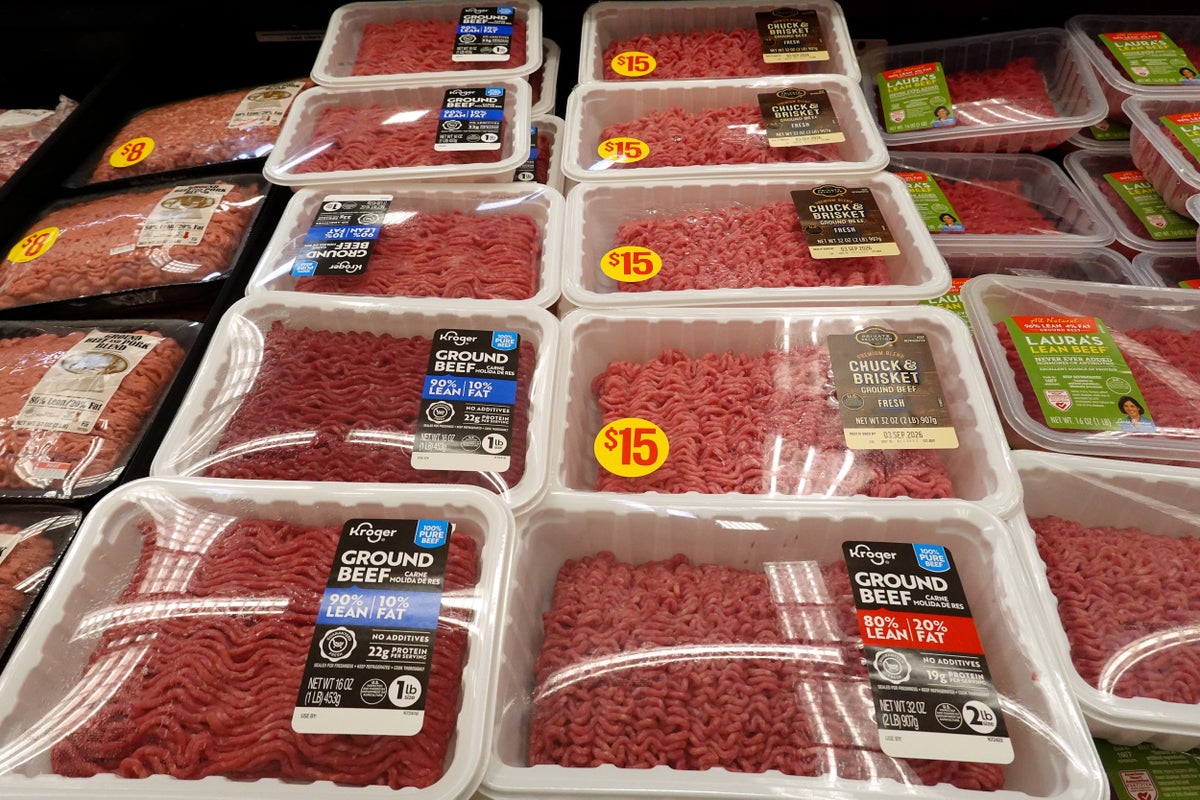
For the average household, this represents a significant increase in grocery expenses, with ground beef prices rising 10% in the last 12 months alone—four times the rate of overall food inflation. A typical shopper purchasing beef would have seen uncooked steak prices reach a record high of $13.06 per pound in July 2026. However, experts warn that consumers will not notice a decrease in bills soon, as it takes several months for import volumes to normalize and years for ranchers to breed new cattle.
The reopening sets a precedent for how the USDA manages transborder livestock trade during parasitic outbreaks. Agriculture Secretary Brooke Rollins stated that every animal will undergo inspection to ensure the $113 billion U.S. cattle sector remains protected from the screwworm, which saw its first Texas case in decades in June. The next steps involve the potential reopening of additional ports in Texas and New Mexico, though no specific dates for those locations have been reported.