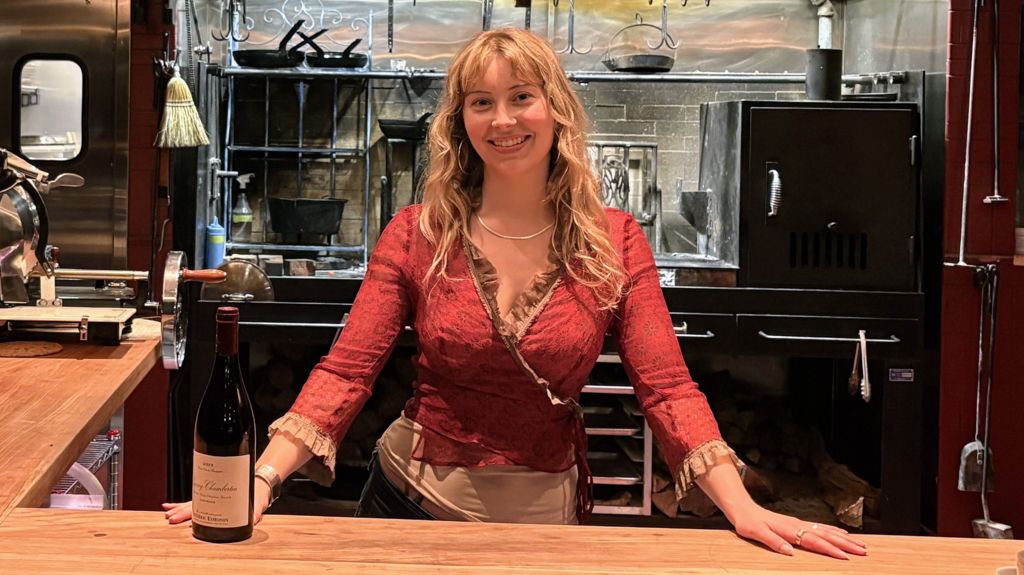
A small number of U.S. restaurants are eliminating customer tipping in favor of higher menu prices and increased hourly wages for staff. Establishments such as La Cigale in San Francisco and Nightshade Noodle Bar in Massachusetts have moved to models where the menu price reflects the total cost of the meal, explicitly instructing guests that tips are not accepted.
Owners who have adopted the practice state the change is intended to address pay disparities between "front of house" service staff and "back of house" kitchen workers. According to Nightshade Noodle Bar owner Rachel Miller, the traditional tipping model often resulted in kitchen staff earning a fraction of what servers made, despite working the same hours. Additionally, some restaurant owners cited concerns that tipping allows guests to pay staff differently based on gender, race, or sexuality.
The transition to a tipless model generally requires significant increases in menu prices to cover higher base salaries. For example, wine waiter Caroline Kraetzer at La Cigale earns $40 per hour, which she reports is double the norm for service staff in San Francisco, while the restaurant charges a set price of $140 per person. Similarly, Nightshade Noodle Bar increased prices by offering tasting menus starting at $102 for seven courses to fund higher wages for all staff members.
However, the model faces financial and consumer-related challenges. Danielle Ayer, co-owner of Talulla in Cambridge, Massachusetts, reported that her restaurant returned to a tipping model in September 2023 after finding a 23% price increase unsustainable. According to William Michael Lynn, a professor at Cornell University, higher menu prices can lead to lower demand because customers may not fully account for the absence of a tip when viewing prices. Furthermore, unlike tips, higher menu prices count as revenue, which increases a business's sales tax obligations.
The scale of this movement remains limited within the broader U.S. hospitality industry. While some establishments like New York’s Dirt Candy have maintained tipless operations since 2015, others have found the economic disadvantages—specifically increased sales tax and customer "math fatigue"—prohibitive. Professor Lynn notes that despite growing "tipping fatigue" among the public, the model is unlikely to be adopted on a wide scale soon because the financial costs to the business often outweigh the benefits of simplified pricing.
For the restaurant industry, these experiments serve as a test for labor retention and pay equity. Owners like Miller report that the primary knock-on effect is reduced staff turnover, as employees value income stability. However, the model creates a competitive disadvantage for recruitment if top-earning servers prefer the high-end potential of traditional tips over a capped hourly wage. The future of this trend depends on whether more diners prioritize "what you see is what you pay" pricing over the traditional U.S. custom of discretionary gratuities. No specific federal or state legislative deadlines were reported regarding these private business decisions.