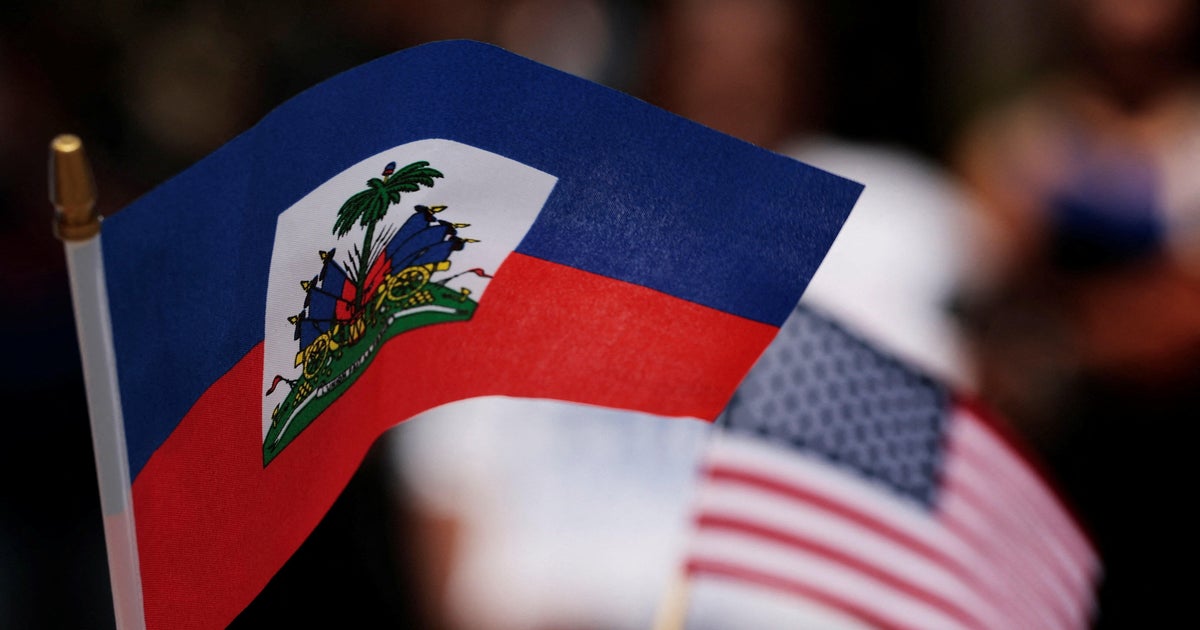
The United States deported 161 people to Haiti on Thursday, marking the first such flight since the conclusion of a legal challenge regarding Temporary Protected Status (TPS). The flight arrived at Cap-Haitien because gang violence has rendered the international airport in the capital, Port-au-Prince, unsafe for commercial traffic. The deportees included both former TPS holders and individuals who had completed prison sentences in the U.S.
The action follows a late June U.S. Supreme Court ruling that allowed the termination of the TPS program, a humanitarian designation that had protected approximately 1 million people from more than a dozen countries. For Haiti specifically, the program had covered about 350,000 people. Although the cases returned to lower courts, a federal judge in Washington, D.C., lifted a remaining order preventing Haitian deportations on August 5.
Jean Négot Bonheur Delva, director general of Haiti’s National Office of Migration, stated that the Haitian government was receiving the individuals with the goal of helping them return to their homes, though he noted the state did not request their return. Some deportees were not born in Haiti but are of Haitian descent, including one individual born in the Dominican Republic. Upon arrival, Haitian officials provided the deportees with food, drink, and a maximum of $65 each.
The scale of the situation involves more than half of Haiti's 12 million residents requiring humanitarian assistance and a record 1.5 million people displaced internally by gang activity. Returning individuals will notice a concrete change in their daily security and economic status, as gangs control an estimated 70% of the capital and major transit routes. The $65 provided by the Haitian government serves as the immediate resource for those attempting to reach relatives or find housing in a country where poverty and hunger are deepening. Ohio Governor Mike DeWine (R) stated that the removal of these residents could also impact local economies in the U.S., noting that Haitian workers in Springfield have filled jobs and opened businesses in the economically challenged city.
The knock-on effects include increased pressure on Haiti’s limited infrastructure and the potential for further family separations. Advocacy groups, such as Haiti’s Group Supporting Refugees and Returnees, stated that the country lacks the measures to adequately assist this volume of returnees, especially as it already processed 140,000 deportees from other nations like the Dominican Republic in the first half of the year. The U.S. government currently maintains a ban on commercial flights to Port-au-Prince through early September. Future ICE deportation flights are expected to continue originating from hubs like Alexandria, Louisiana, as the legal formalities preventing these removals have been cleared.