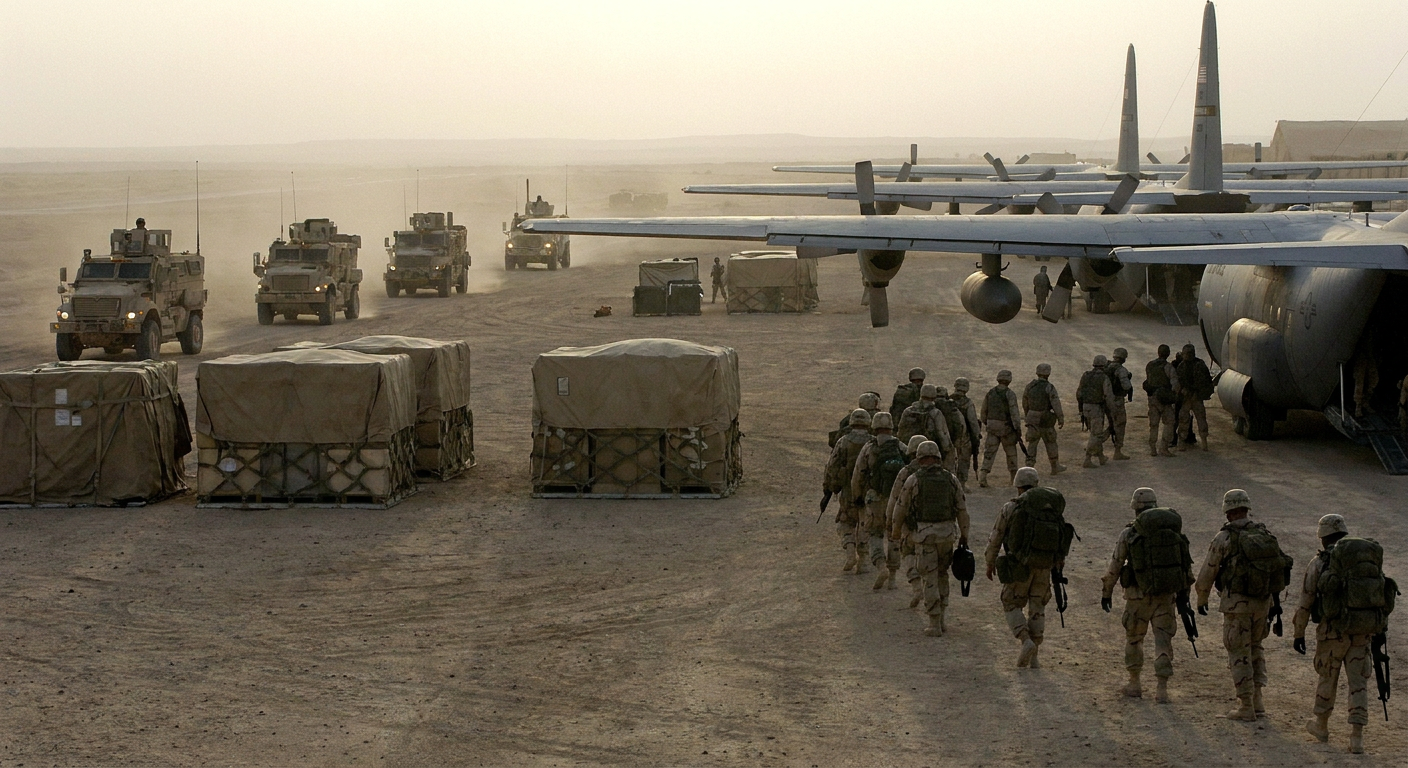
Analysts report that the United States government has shifted its geopolitical focus away from Asia due to ongoing military conflicts in the Middle East. According to reporting on Wednesday, the redirection of military resources to address the war in Iran has interrupted a long-term strategic policy commonly referred to as the \"pivot to Asia.\"
The \"pivot to Asia\" was a strategic framework established approximately one decade ago intended to rebalance American diplomatic and military attention toward the Indo-Pacific region. However, analysts now suggest that this shift has either concluded or was never fully realized because of the demands of regional instability in other parts of the world.
Specific details regarding the current volume of military assets deployed or the exact status of specific Asian partnerships were not included in the report. The shift is characterized primarily by the movement of American military resources required to sustain operations amid the Iran war.
The concrete day-to-day change involves the reallocation of hardware and funding that had been earmarked for Pacific security initiatives. The report does not specify the exact dollar amount of this reallocation, but it notes that the Middle East is currently consuming the resources previously intended for the Asia strategy. This means that programs related to maritime security in the South China Sea or joint exercises with Asian partners may see reduced participation or funding as those assets are moved to address active hostilities.
The knock-on effects include a potential change in how regional powers in Asia view the reliability of U.S. strategic commitments. Because the \"pivot\" was intended to be a multi-decade realignment, its interruption sets a precedent that active conflict in the Middle East can override long-term Pacific planning. What happens next remains dependent on the duration of the Iran war; the report does not provide a specific date for a return to the Asia-centric policy or detail any upcoming legislative votes regarding military appropriations.