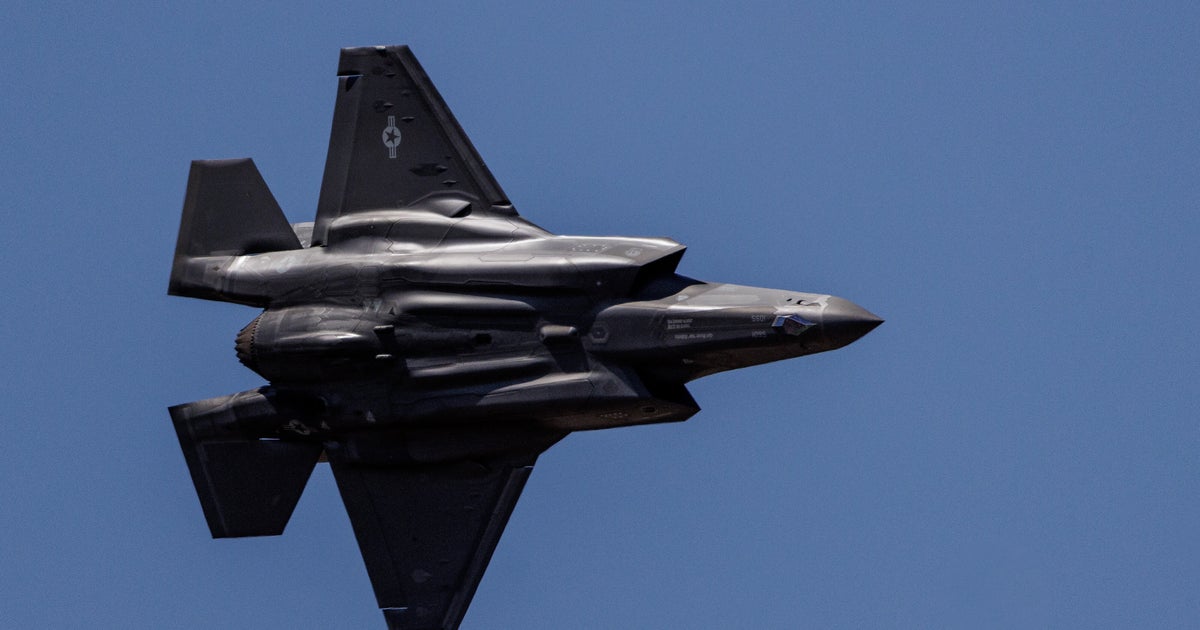
The U.S. State Department announced on Thursday, September 17, 2026, that it has approved a potential sale of F-35 Lightning II fighter jets to Saudi Arabia. The proposed deal, valued at approximately $24.3 billion, would provide the kingdom with the stealth aircraft manufactured by Lockheed Martin. This approval follows a direct appeal for the jets made by Saudi Arabia to President Donald Trump in early 2025.
For years, Saudi Arabia has sought to acquire the F-35 to modernize its air force, which currently utilizes Boeing F-15s, European Tornados, and Typhoons. The kingdom has sought the fighter as it looks to counter regional threats, particularly from Iran. While the Biden administration previously explored providing F-35s as part of a deal that would have included Riyadh normalizing relations with Israel, the Trump administration has prioritized arms sales to Saudi Arabia since returning to office.
The proposed sale includes 48 fighter jets, 49 Pratt & Whitney engines, communications equipment, and spare parts. The F-35 is equipped with stealth technology designed to evade detection and is currently operated in the Middle East only by Israel. The State Department noted that U.S. law requires ensuring that Israel maintains a "qualitative military edge," a standard meant to guarantee Israel receives more advanced weaponry than other regional states.
The sale affects the Saudi Arabian military and its regional neighbors by introducing stealth technology that was previously exclusive to Israel in the Middle East. If finalized, the $24.3 billion deal would supply Saudi Arabia with 48 aircraft, equivalent to two squadrons. For the kingdom, which is already the largest customer for U.S. arms, this represents a modernization of its air force. The scale of the deal follows a 2025 defense package worth nearly $142 billion, which the White House described as the largest defense cooperation agreement in U.S. history.
The concrete change for Saudi Arabia would be the integration of fifth-generation stealth capabilities into its defense operations, potentially altering the balance of military power in the region. However, the timeline for delivery and the specific impact on Saudi tax or defense budgets were not reported. Employees at Lockheed Martin and Pratt & Whitney are also stakeholders in the transaction. The deal must navigate Congressional scrutiny, as some lawmakers have expressed caution regarding military cooperation with Riyadh following the 2018 murder of journalist Jamal Khashoggi.
Next steps for the sale involve potential reviews by the U.S. Congress. While the State Department has approved the sale, lawmakers have the power to challenge arms deals. If the sale proceeds, it will serve as a component of Crown Prince Mohammed bin Salman’s Vision 2030 agenda, which aims to modernize the kingdom's military and economy. Specific dates for delivery or final contracts were not disclosed in the announcement.