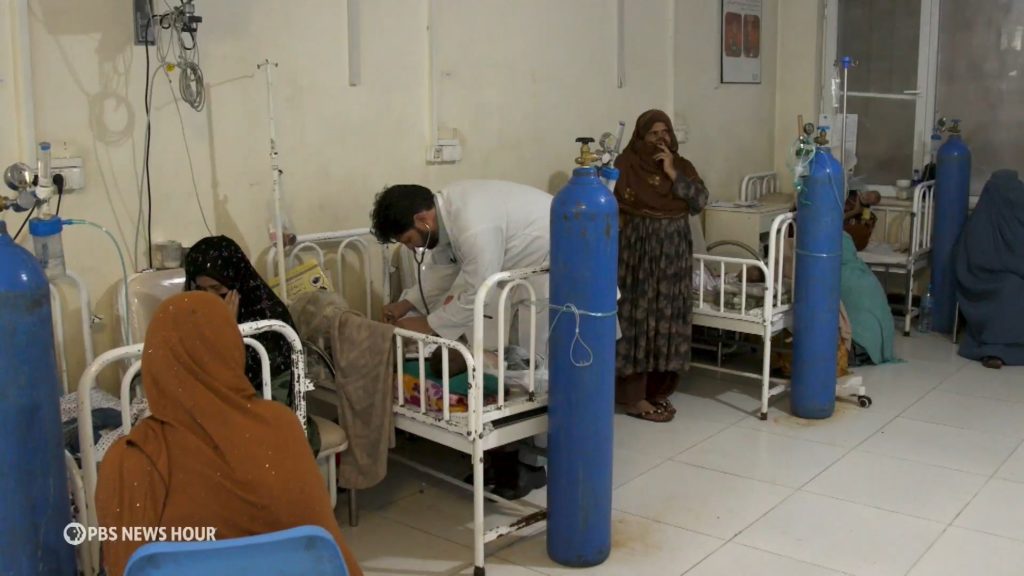
The U.S. State Department has suspended foreign assistance to Afghanistan under the direction of the Trump administration to prevent funds from reaching the Taliban. Humanitarian organizations report that these funding cuts have led to the closure of hundreds of medical clinics, particularly affecting rural areas that previously relied on support from the U.S. Agency for International Development (USAID), the federal agency responsible for administering civilian foreign aid.
The funding changes follow the U.S. military withdrawal from Afghanistan five years ago and the subsequent Taliban takeover. The State Department cited a March 2025 inspector general's report stating that aid groups needed to ensure U.S. funds were not diverted to terror groups. In a statement to PBS News, the State Department said the Taliban has failed to improve national stability or uphold counterterrorism commitments since the withdrawal.
According to Refugees International, at least 160 deaths over the last 18 months are attributed to these aid cuts. Reports from rural Herat and Nangarhar province indicate that nearly 500 clinics closed following last year's USAID cuts, with an additional 300 closing earlier this year. The International Rescue Committee, which received 80 percent of its Herat funding from USAID, reported it was forced to end its mobile clinic services after funds ran out earlier this year.
For a typical household in rural Afghanistan, these policy changes mean the permanent loss of mobile health clinics and emergency transport. Residents in remote villages reported being unable to access ambulances for heart attacks or seizures, leading to deaths in transit. Additionally, women face specific barriers due to Taliban decrees requiring a male guardian, or mahram, to accompany them to medical facilities; health workers reported instances where both mothers and infants died after being turned away from checkpoints.
The long-term effects include a projected shortage of medical staff, as a five-year ban on female education has prevented new midwives from graduating. The State Department has not provided a timeline for restoring aid, maintaining that assistance will remain suspended as long as there is a risk of funds reaching the Taliban. The next reported milestone regarding oversight was a March 2025 inspector general's report, but no further legislative or administrative deadlines for a policy reversal have been announced.