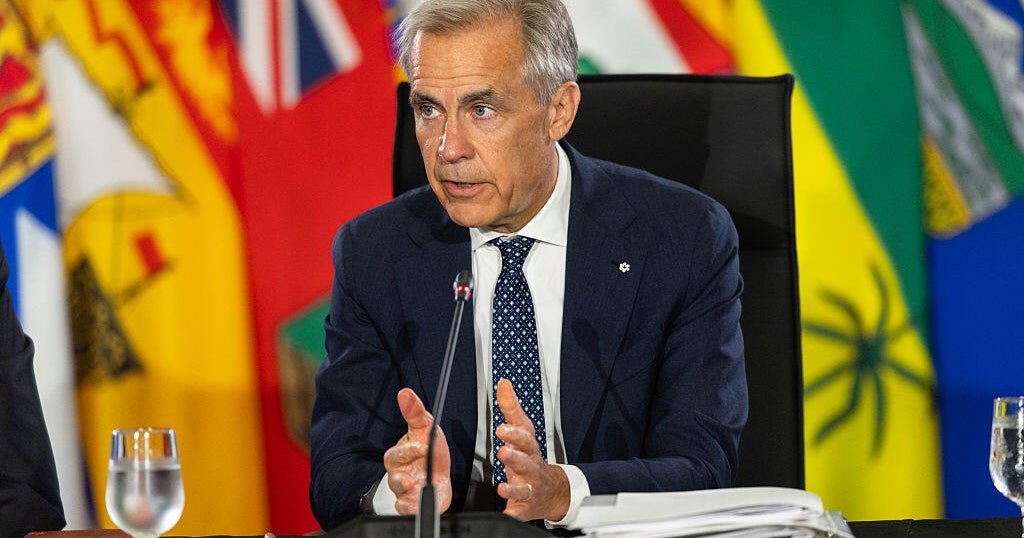
The United States was scheduled to implement 50% tariffs on $20 billion worth of Canadian goods early Saturday following a breakdown in trade negotiations. U.S. Trade Representative Jamieson Greer stated late Friday that Canada declined to finalize a trade agreement under terms established earlier in the week. In response, Canadian Prime Minister Mark Carney announced that Canada would suspend negotiations and implement reciprocal tariffs of equal value.
The scheduled tariffs follow a three-day extension of a Wednesday deadline granted by President Trump to allow for continued talks. Relations between the two allies have been strained by ongoing disagreements regarding trade, NATO commitments, and a dispute over a bridge in the Detroit area. While the Trump administration currently maintains a 10% tariff on Canadian goods, many imports are presently exempt under the U.S.-Mexico-Canada Agreement (USMCA).
The new U.S. levies are expected to affect approximately 5% of Canada's annual exports to the U.S., encompassing a variety of products including hockey sticks and medical tongue depressors. Prime Minister Carney stated that while substantial progress had been made previously, the current results did not meet his administration's objectives for Canadians. Consequently, he directed Canadian negotiators to return to Ottawa and prepared a "dollar for dollar" retaliatory response.
On a broader scale, this trade conflict impacts the economic relationship between two nations that exchanged $880 billion in goods and services last year. Businesses that rely on cross-border supply chains will face a 50% tax on the identified $20 billion in products starting early Saturday. This move creates uncertainty for the USMCA, the trade deal signed during President Trump’s first term that currently exempts most Canadian goods from standard import taxes.
The immediate next step is the activation of the 50% U.S. tariffs, which were set to begin early Saturday morning. Prime Minister Carney has already ordered his negotiating team to leave the U.S. and return to the Canadian capital. The specific timeline for Canada's retaliatory tariffs and the list of U.S. products they will target was not reported in the initial announcement.